
Instant noodles seem like a modern college thing. But ramen’s story goes way deeper than microwaves and late night study sessions.
Ramen is savory, slurpy and endlessly customizable. The dish has roots in Asian culinary tradition. Its history reflects post-war recovery, global innovation and cultural adaptation.
Today ramen is more than comfort food. It’s a cultural ambassador for Japanese cuisine. It’s a rite of passage for students discovering life away from home.
Many students juggle more than just what to eat for dinner. With assignments piling up and deadlines looming, it’s not unusual to see them look for resources like pay for essay services to stay ahead while enjoying a bowl of their favorite meal.
But how did ramen evolve from a street snack into the universal symbol of student survival?
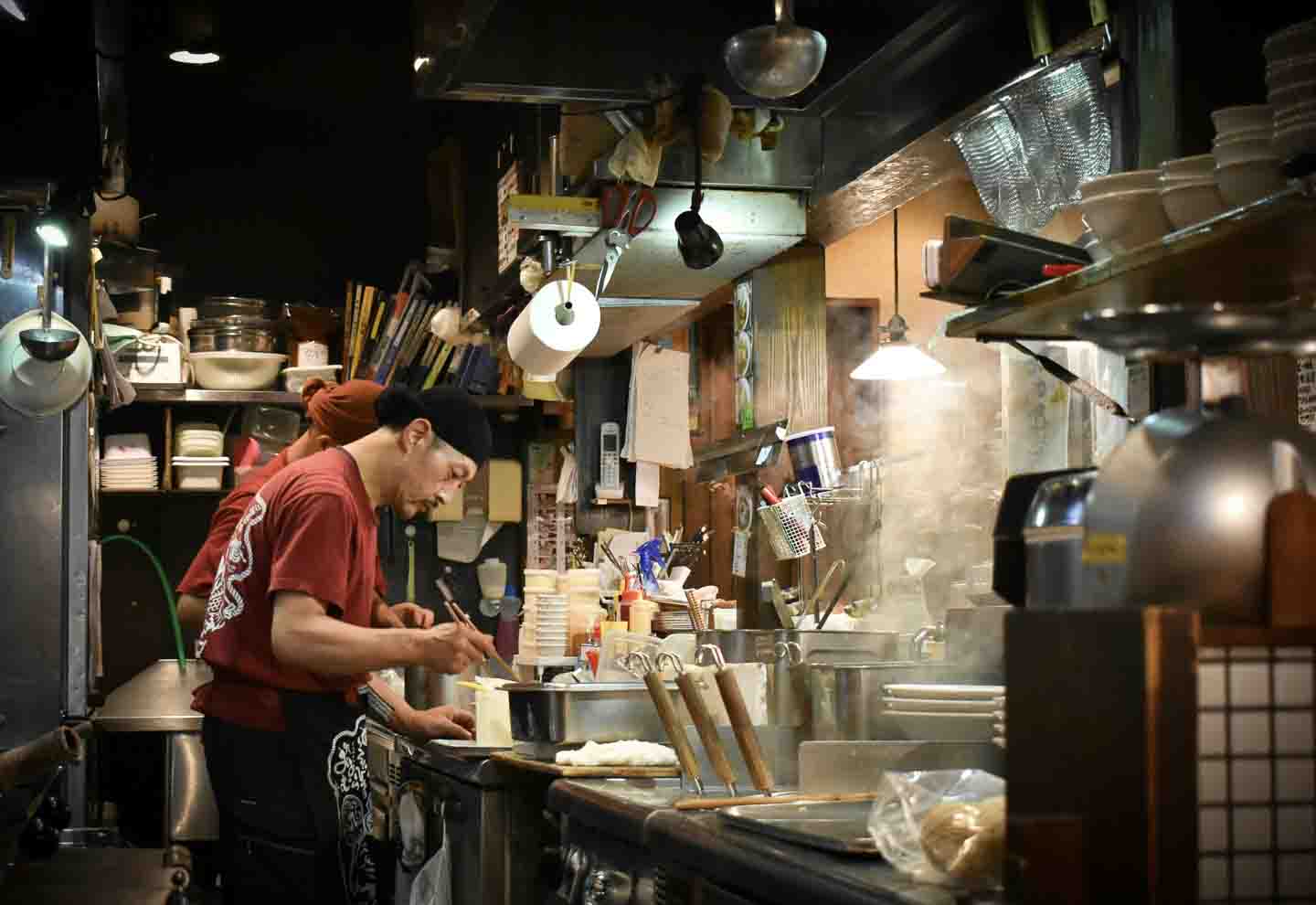
Origins in China, Identity in Japan
Ramen’s story begins in China, not Japan.
Wheat noodles in broth were a Chinese staple for centuries before appearing in Japan. The earliest versions likely arrived with Chinese immigrants in the late 1800s, especially in port cities like Yokohama.
Early ramen was called “shina soba,” which referenced Chinese-style noodles. These bowls included hand-pulled noodles in soy-based broth with pork and scallions. Still recognizable in many ramen bowls today.
Everything changed in the 1950s. That’s when ramen became distinctly Japanese.
After World War II, Japan faced severe food shortages. The American occupation brought in large quantities of wheat flour. Street vendors began selling hearty bowls of ramen to a hungry population.
The dish became a symbol of affordability, sustenance and innovation. It’s now known as one of the most iconic Japanese foods.

Instant Noodles: The Revolution Begins
Traditional ramen was taking off in Japan’s urban centers. Meanwhile, another revolution was brewing in the convenience food space.
In 1958, a Japanese businessman named Momofuku Ando changed everything. He invented instant noodles.
His creation, “Chikin Ramen,” was the first pre-cooked, shelf-stable ramen product. You could rehydrate it with hot water in minutes.
Ando’s motivation was food security. He believed noodles could fight hunger and bring comfort during times of crisis. His invention did exactly that.
By the 1970s, instant ramen had become a global export. Each country adapted it to local tastes. Kimchi flavored versions in Korea. Spicy tom yum versions in Thailand.
As instant noodles traveled worldwide, they gained a new identity. Quick, cheap and satisfying. An irresistible combination for students.
Ramen earned its title as the unofficial meal of college life.
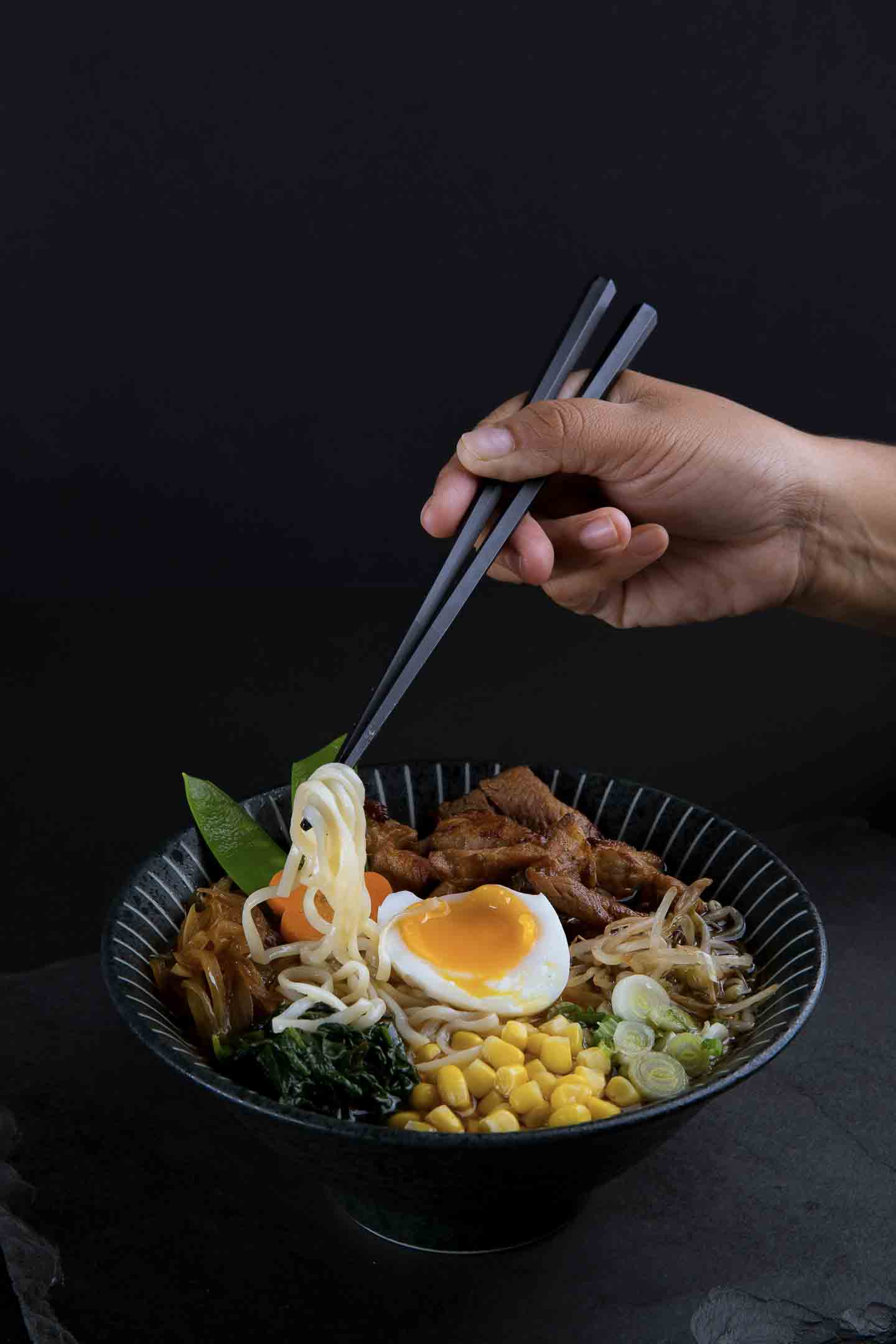
A Symbol of Student Life and Budget Living
Walk into any dorm room today. You’ll likely find a cup of ramen nearby.
What began as a Japanese innovation became a worldwide staple for young adults on a budget.
The reasons are obvious. Ramen is inexpensive. Filling. Shelf-stable. It requires minimal cooking tools or skills.
With dozens of flavors at every grocery store, students can find something they like. Mild soy broth or bold spicy miso.
But ramen isn’t just cheap food. It’s nostalgia.
It reminds students of home. Of midnight conversations. Of rushed mornings and group study nights.
It’s a shared experience that crosses cultures. One steaming bowl links students from different backgrounds.
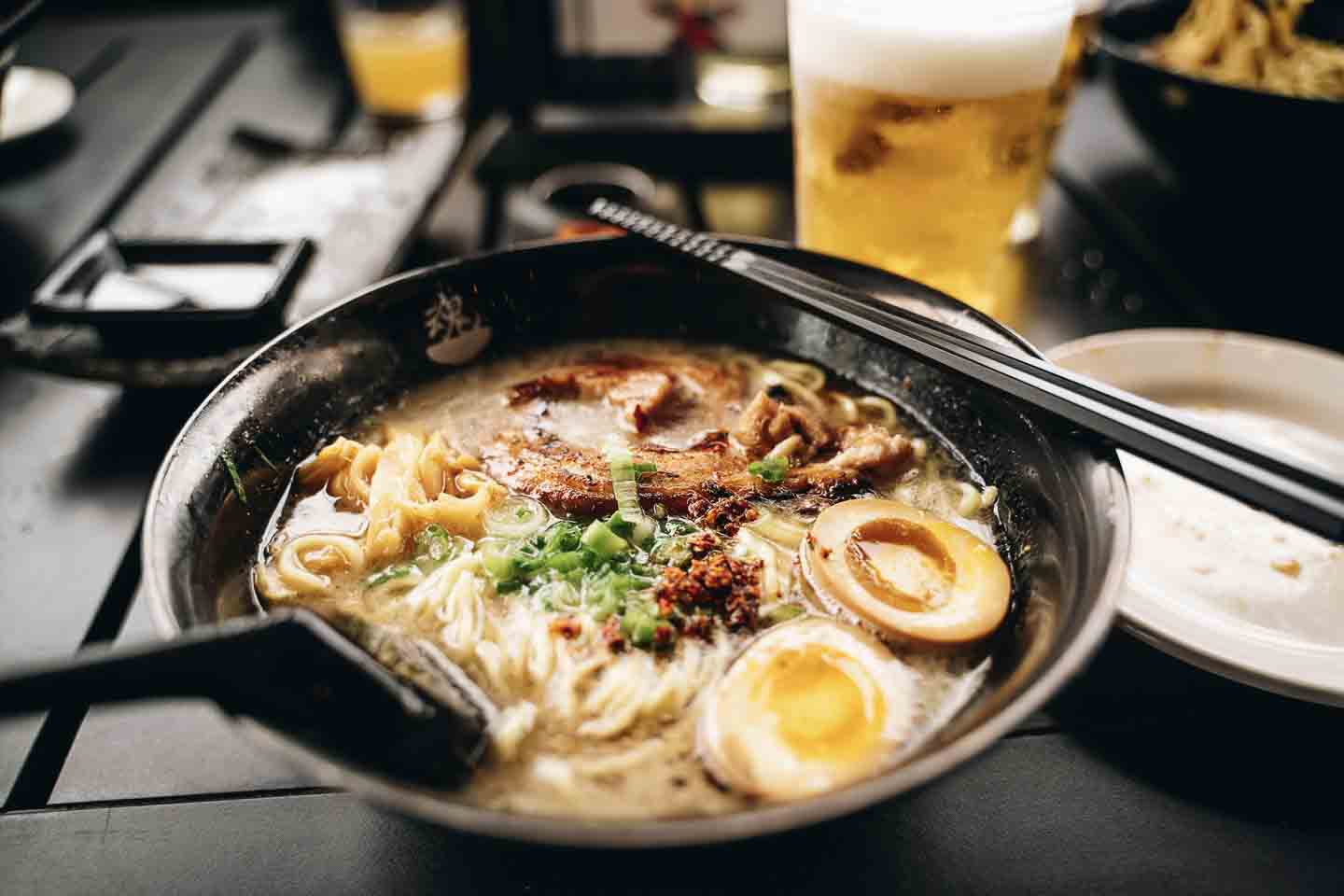
From Cup Noodles to Culinary Art
Ramen’s journey didn’t stop at instant noodles. In recent years, it has seen a major comeback in the food world.
What was once considered low-brow fast food has been elevated to gourmet status by chefs around the globe.
Tokyo alone has thousands of ramen shops. Many have earned Michelin recommendations.
Outside Japan, restaurants in New York, London, Sydney and Seoul craft slow-cooked broths. They make handmade noodles. They add regionally inspired toppings like truffle oil or smoked duck.
Annie Lambert, an expert from EssayPro’s essay writing service, has seen a rise in student papers focusing on cultural journeys, economic impact and regional transformations. Ramen fits that topic perfectly.
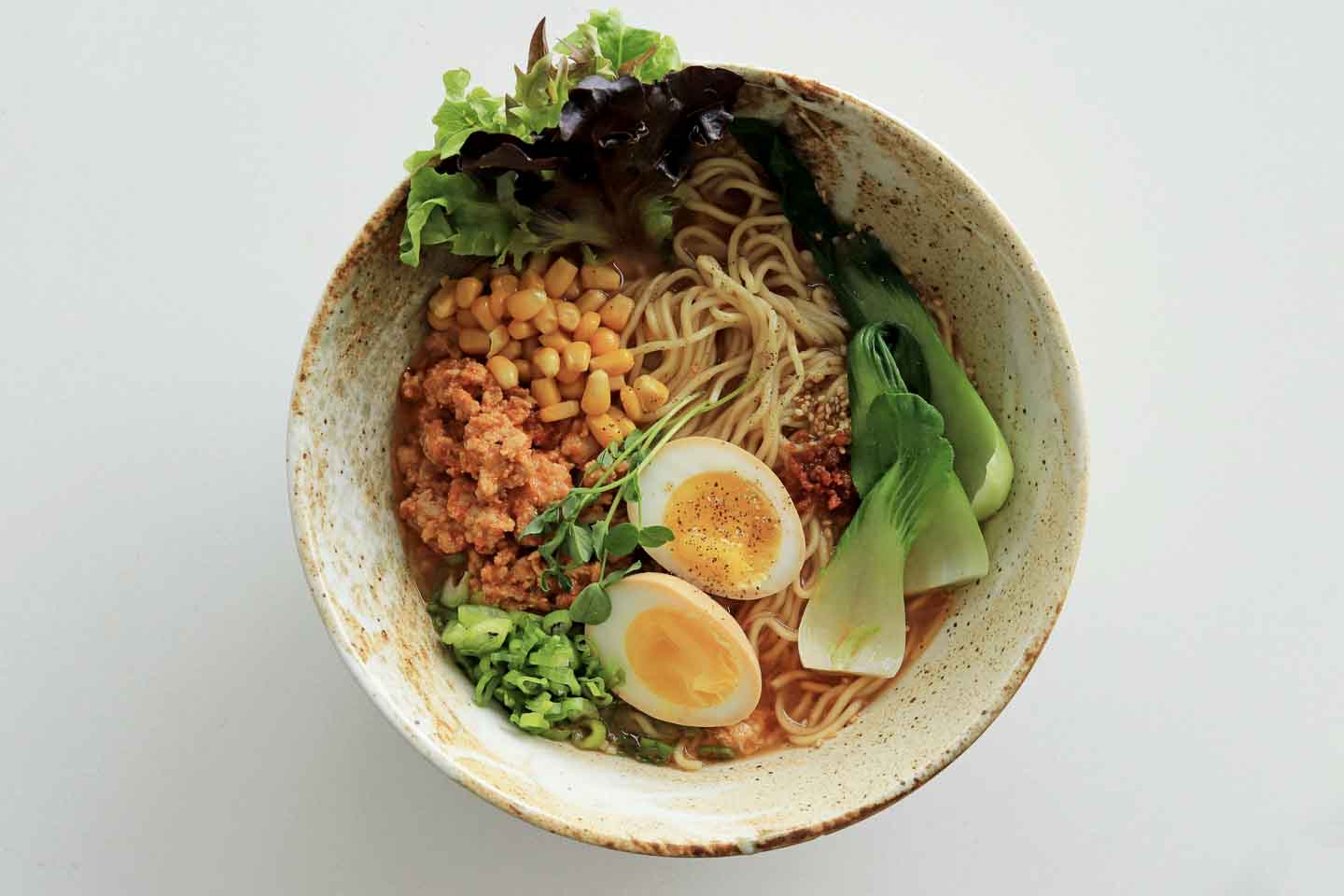
Regional Variations: One Dish, Endless Stories
Ramen’s adaptability explains its success. In Japan alone, there are over 30 regional ramen styles. Each tells its own story through ingredients and flavors.
Sapporo is known for rich, buttery miso ramen topped with sweet corn. Hakata offers a creamy tonkotsu (pork bone) broth served with thin, firm noodles.
Tokyo-style ramen leans into shoyu (soy sauce) bases. Kitakata ramen is defined by its curly noodles and clear broth.
Outside Japan, fusion variations continue to expand. Korean ramyeon is often spicy and includes ingredients like cheese or tteokbokki.
In the U.S., ramen burgers, ramen tacos and plant-based broths have entered the spotlight.
For culinary students or cultural researchers, these adaptations prove something important. Ramen is more than a dish. It’s a mirror for global tastes and innovation.
Why Ramen Still Matters
Food trends shift rapidly. But ramen remains both constant and changing.
Its low cost, satisfying flavors and emotional comfort have earned it a permanent place in student life. It also continues to surprise with reinvention and global reach.
For students across disciplines, ramen offers a lens into globalization, identity and the power of simplicity. Whether studying food systems, design, business or East Asian studies.
It teaches that tradition and trend don’t have to compete. They can exist together in one perfectly balanced bowl.
Ramen endures because it adapts. Students everywhere continue to reach for it. Not just as a meal, but as a moment.