
This beautiful lakeside town is popular with Mexicans looking for a taste of Chapala food and gorgeous views.
Lake Chapala is the largest freshwater lake in Mexico and has a unique aspect of also being at a higher altitude. It’s one of the most popular places to live in Jalisco for it’s eternal spring, which means it’s never too hot nor too cold.
After visiting Mazamitla I wanted to see what made everyone love this region. Surprisingly, hotels in Chapala were a bit more than in Ajijic, also known as gringolandia. So I booked in Ajijic and took the 20 minute bus.
I loved this town right away. It’s compact, has great infrastructure and a good balance of locals vs foreigner. And the Chapala food scene was more my vibe with a great market, street vendors and small restaurants.
In the end I wish I’d booked a hotel in Chapala instead of Ajijic.
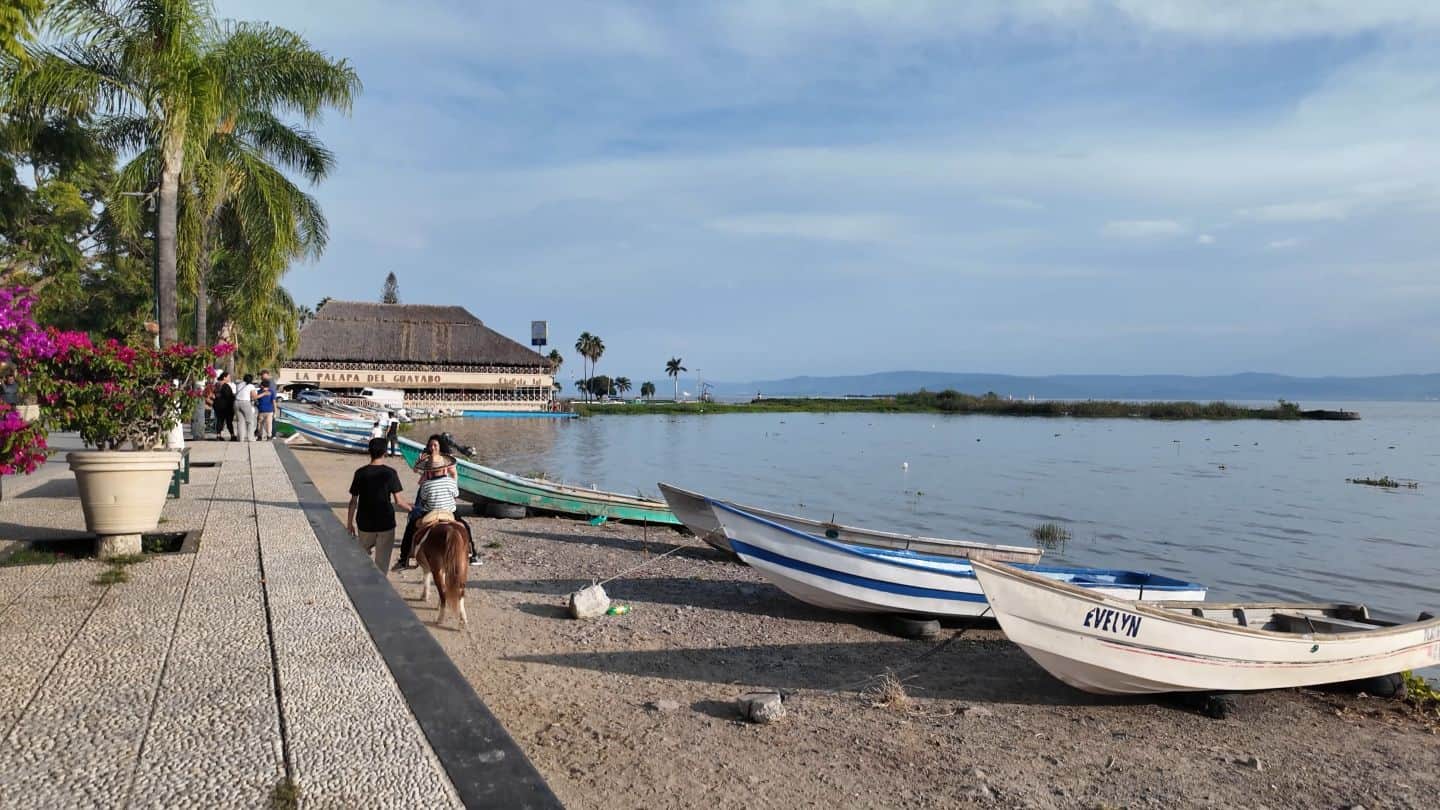
Chapala’s Culinary Influences
Chapala’s food comes from the lake itself. For hundreds of years, people fished these waters for charales, carp and catfish. The indigenous Coca and Tecuexe people considered the lake sacred, and fishing was part of their daily life.
When the Spanish arrived in the 1500s, they brought new ingredients and cooking methods. Today’s Chapala cooking mixes these old and new ways. You’ll taste corn prepared the way it has been for centuries, combined with fish cooked in styles that came from Spain.
The lake has changed over the years. Pollution from upstream and introduced fish species like tilapia have affected what people catch and eat.
The famous white fish that once filled the waters is now rare. But locals have adapted, keeping their traditions alive with the fish that remain.
Most families still eat fish several times a week. Along the malecón (waterfront), vendors sell fresh catches each morning. The coffee brews in clay pots, and the corn drinks ferment in the same way they did before the Spanish invadors.
Traditional food culture is strong and much different than neighboring food in Guadalajara.
Must Try Chapala Food
Pescado Blanco del Lago | Lake Whitefish
This fish was once the pride of Lake Chapala. The pescado blanco, a silvery fish about a foot long, was so famous that people traveled from Guadalajara just to eat it. Lightly fried or grilled with lime, it was the star of every lakeside meal.
Today, you’ll rarely see it on menus. Pollution and invasive species like African tilapia and black bass have pushed the white fish to the edge of extinction. Researchers say the species may already be gone from the lake.
The government has tried releasing hatchlings back into the lake to save the species. But even if it returns, the white fish remains a symbol of what Chapala once was and what locals hope to protect.
Where to Eat Pescado Blanco:
This fish is extremely rare and difficult to find. Most restaurants no longer serve it due to conservation concerns.
This fish is extremely rare and difficult to find.
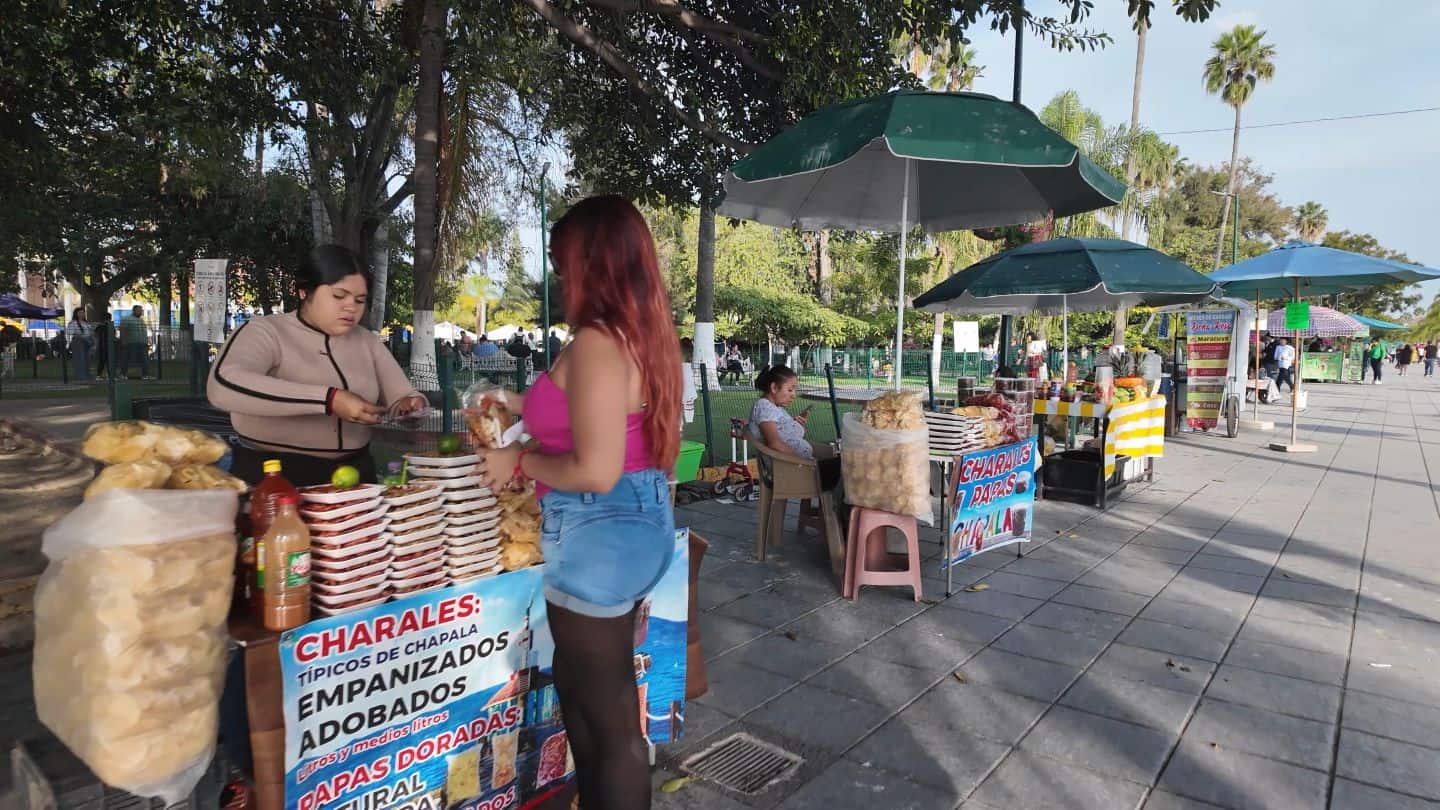
Charales fritos | Fried Lake Minnows
Charales are tiny freshwater fish caught in the lake, salted lightly and fried whole until crisp. You eat them bones and all, squeezing lime over the top and dipping them into salsa.
They taste crunchy, salty, and slightly fishy in a good way. The name comes from the Nahuatl word for small fish. You’ll find them piled high on plates all along the malecón.
The fish are caught in fine nets that local fishermen have used for generations. You can spot these nets drying on the shore, works of art in their own right.
Where to Eat Charales Fritos:
Puestos de Charales del Malecón
Along the Chapala malecón near the fishing boats
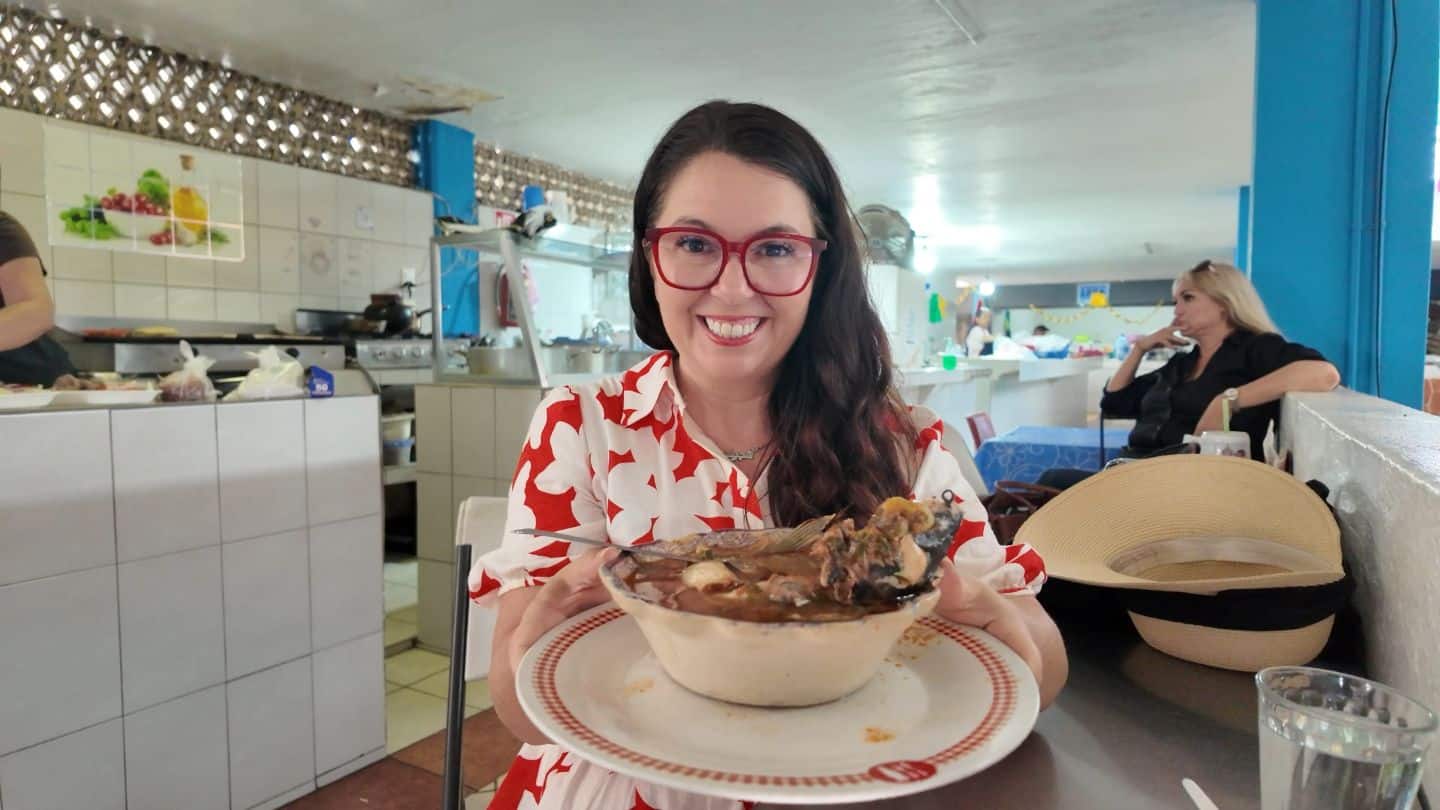
Caldo Michi | Traditional Fish Soup
Hands down one of my top 3 favorite soups around the world, which also includes my home’s seafood chowder and Ecuadorian encebollado.
I visited Chapala market first thing in the morning specifically to eat this rustic soup and was blown away. The word michi comes from michin, the Nahuatl word for fish.
It’s a simple soup but so full of flavor.
The soup starts with whatever fish came in that morning, usually carp or catfish. Cooks add fresh chiles, tomatoes, herbs and vegetables from nearby farms. The broth simmers until everything melds together.
Where to Eat Caldo Michi:
In the Chapala Market
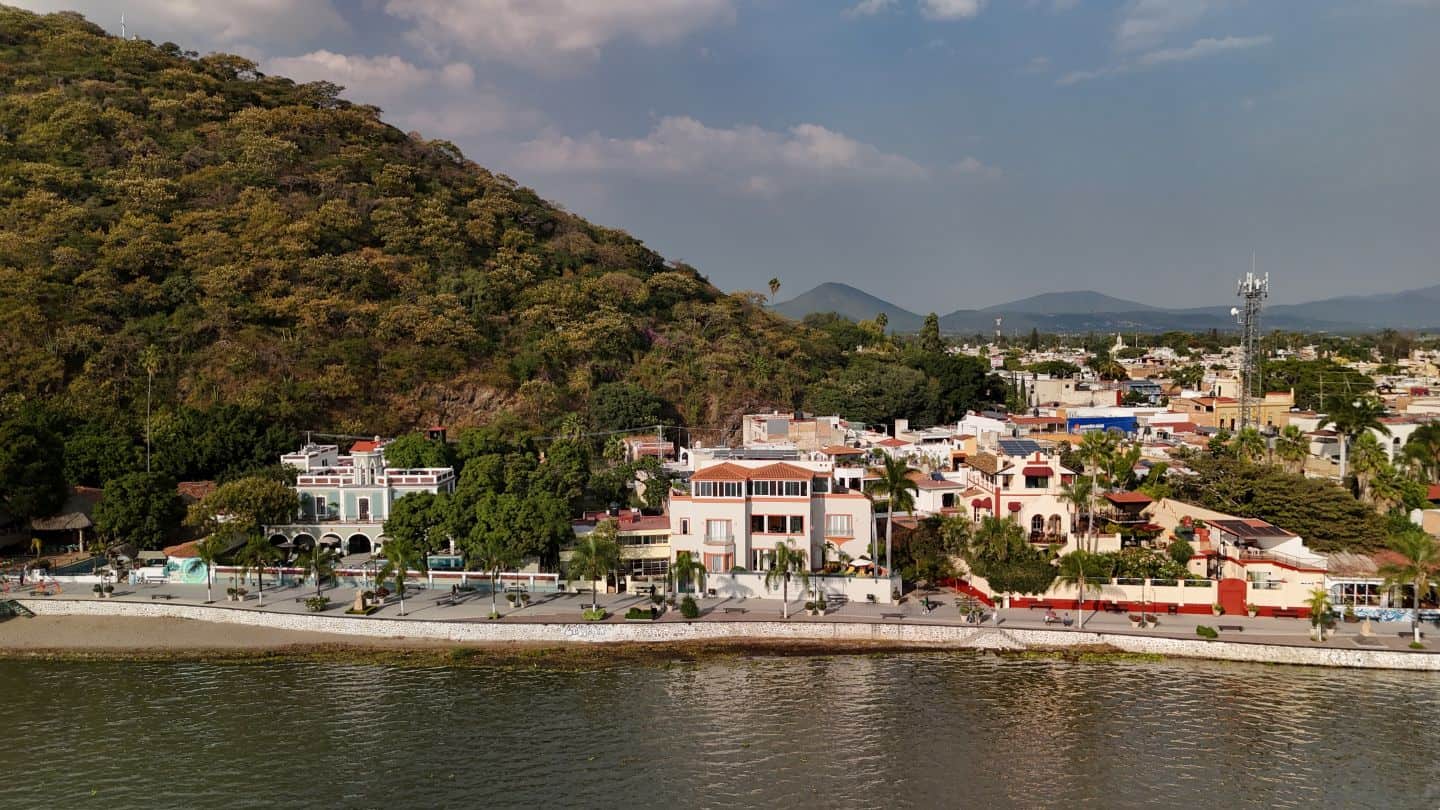
Carpa | Lake Carp
Carp is the everyday fish in Chapala. When the white fish disappeared, carp became what families cooked at home and what small restaurants served.
It’s often served in soup with tomatoes and chiles. Others fry it whole and serve it with rice and beans. The meat is firm and takes on whatever seasonings you use.
Where to Eat Carpa:
Comedor Lupita
Two blocks from the malecón
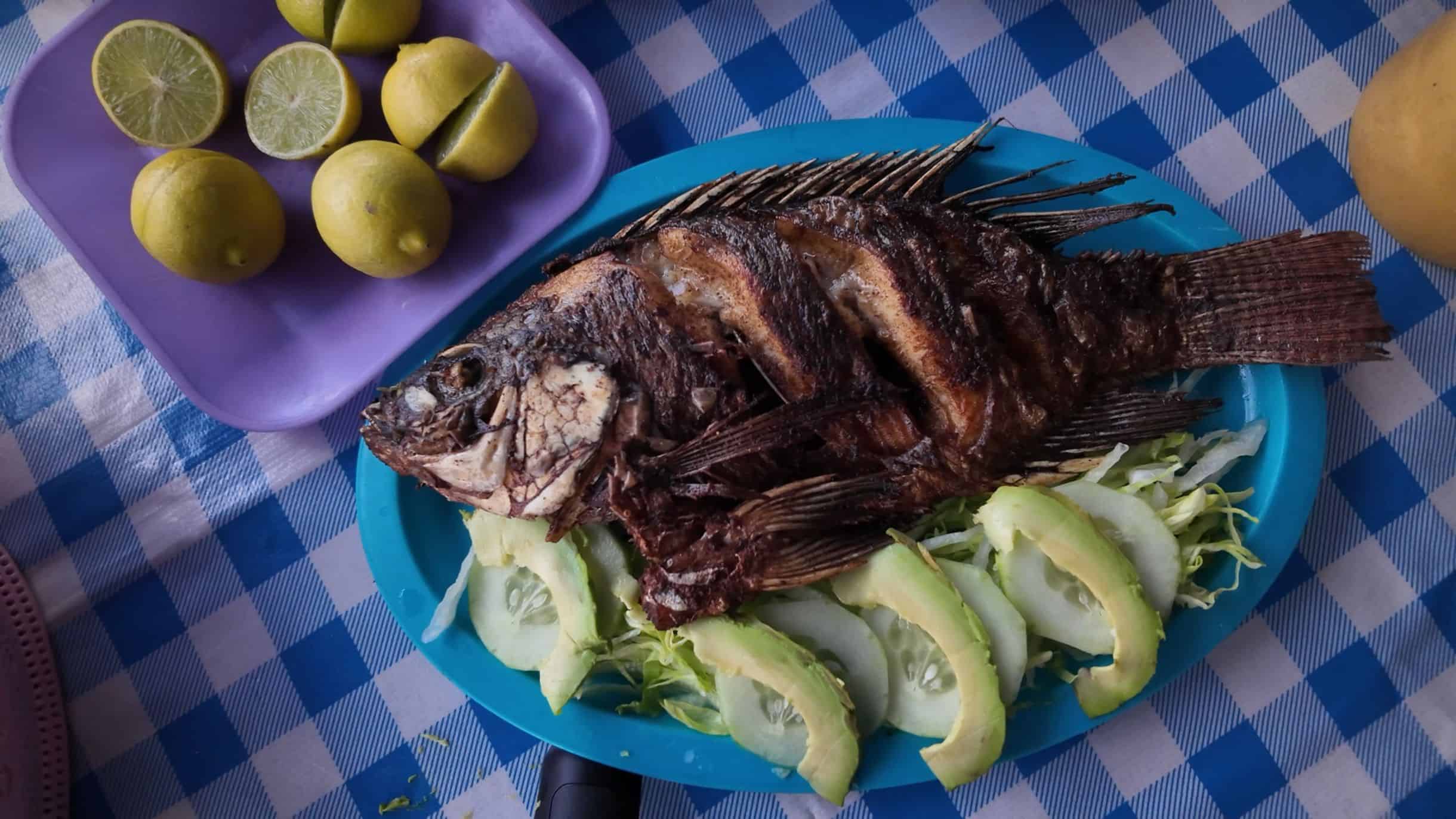
Mojarra Frita | Fried Tilapia
Tilapia is not a unique Chapala food but it is part of local life. The whole fish gets fried until the skin crisps up, then served with rice, beans and a stack of warm tortillas.
Tilapia came to the lake decades ago as an introduced species. While it pushed out native fish, locals have made it their own.
Where to Eat Mojarra Frita:
Restaurante Los Pescadores
On the malecón
Bagre del Lago | Lake Catfish
Lake Chapala catfish has firm, flavorful meat that holds up well in stews and sauces. It has a rich taste and meaty texture.
Catfish goes into everything from simple soups to complex sauces with tomatoes and chiles. Its firm flesh doesn’t fall apart during cooking, making it perfect for long simmered dishes.
Where to Eat Bagre del Lago:
Fonda San Juan
Near the municipal market
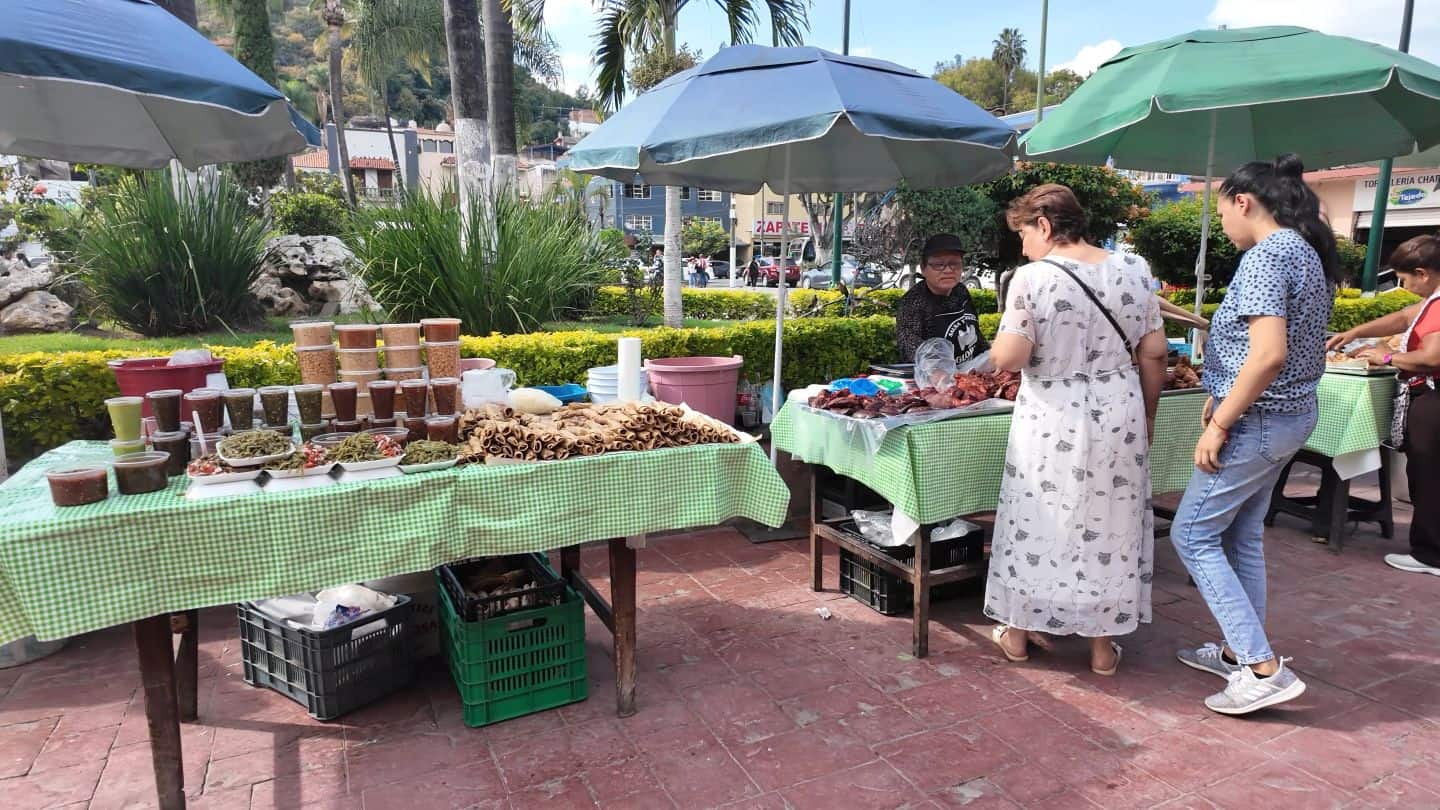
Tamales de Pescado | Fish Tamales
I love how Mexican food is so adaptable. I love tamales and including fish is genius. Fresh fish gets mixed into corn masa, wrapped in corn husks and steamed until tender.
Making any kind of tamales takes time and practice. The fish needs to be flaked just right and mixed into the masa so it spreads evenly. Then comes the wrapping and the long steam.
You’ll find them at home tables and at small stands. If you’re in Chapala early in the morning and see a crowd it’s most likely a tamales stand.
Where to Eat Tamales de Pescado:
Tamales Lupita
Inside the Chapala market, mornings
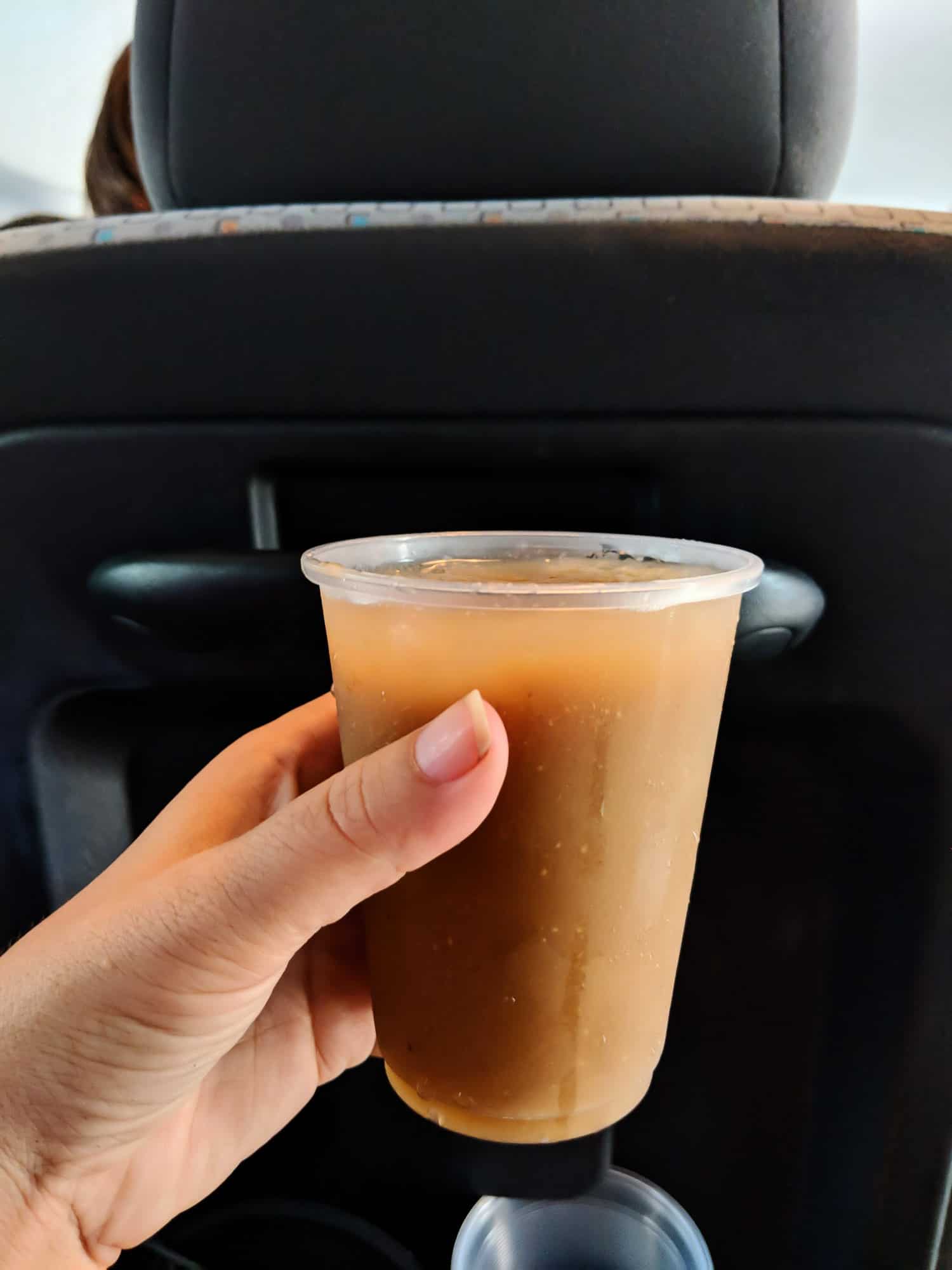
Tejuino | Fermented Corn Drink
One of my favorite drinks in Mexico, you’ll find it around the country where corn is plentiful. The Nahua people called it the drink of the gods. The name comes from tecuin, meaning to beat the heart.
It is a fermented corn drink and does not taste like corn on the cob.
Vendors make tejuino by cooking corn masa with water and piloncillo (raw cane sugar). The mixture ferments for a few days, developing a slightly tangy taste. It’s served cold over ice with lime juice and salt.
It may seem strange but once you try it tejuino makes a lot of sense. Just be careful as it’s slightly alcoholic.
Where to Drink Tejuino:
Puesto de Tejuino Don Toño
Near the main plaza
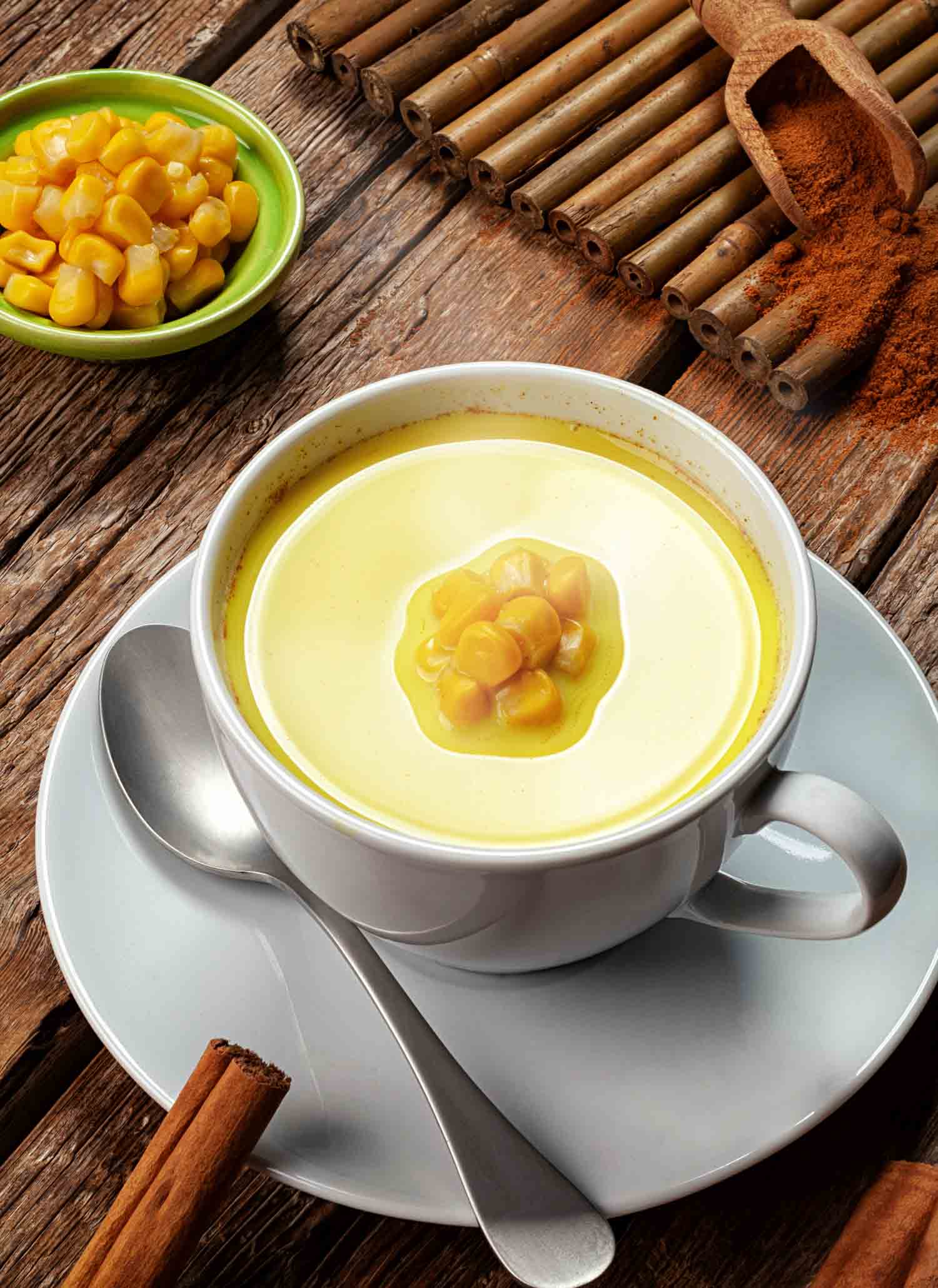
Atole Blanco | Plain Corn Atole
This simple warm drink is pure corn and water, nothing more. Families drink it for breakfast or in the evening. It’s mild and filling, the kind of thing you eat when you want something gentle and comforting.
Unlike fancy atoles flavored with chocolate or fruit, atole blanco is plain. The corn flavor comes through clearly. Some people add a touch of sugar, but many drink it as is.
Although it is something people make at home, you can find morning street vendors selling it with breakfast tamales or other snacks.
Where to Drink Atole Blanco:
Atole y Café María
Near the market

Café de Olla | Spiced Coffee
This spiced coffee is part of everyday breakfasts in Chapala. The name means pot coffee because it’s traditionally brewed in a clay pot. The clay adds an earthy flavor you can’t get any other way.
Locals simmer water with cinnamon sticks and piloncillo until the sugar melts. Then they add ground coffee and let it steep. The result is sweet and spicy, warming you from the inside.
During the Mexican Revolution, women soldiers brewed this coffee for troops on cold nights. Today, families make it on chilly mornings or when guests visit. You can also find it in any local fonda.
Where to Drink Café de Olla:
Café Lupita
Across from the market
Snacks in Mexico
Pan de Barrio | Neighborhood Bread
Every neighborhood has its panadería where people pick up fresh bread each day. This plain local bread, called pan de barrio, is what you eat with your morning coffee or dip into beans.
The bread is simple. No fancy shapes or sweet glazes, just good bread that goes with everything. Locals buy it warm in the morning and finish it by evening.
Where to Eat Pan de Barrio:
Panadería La Chapalita
One block from the plaza
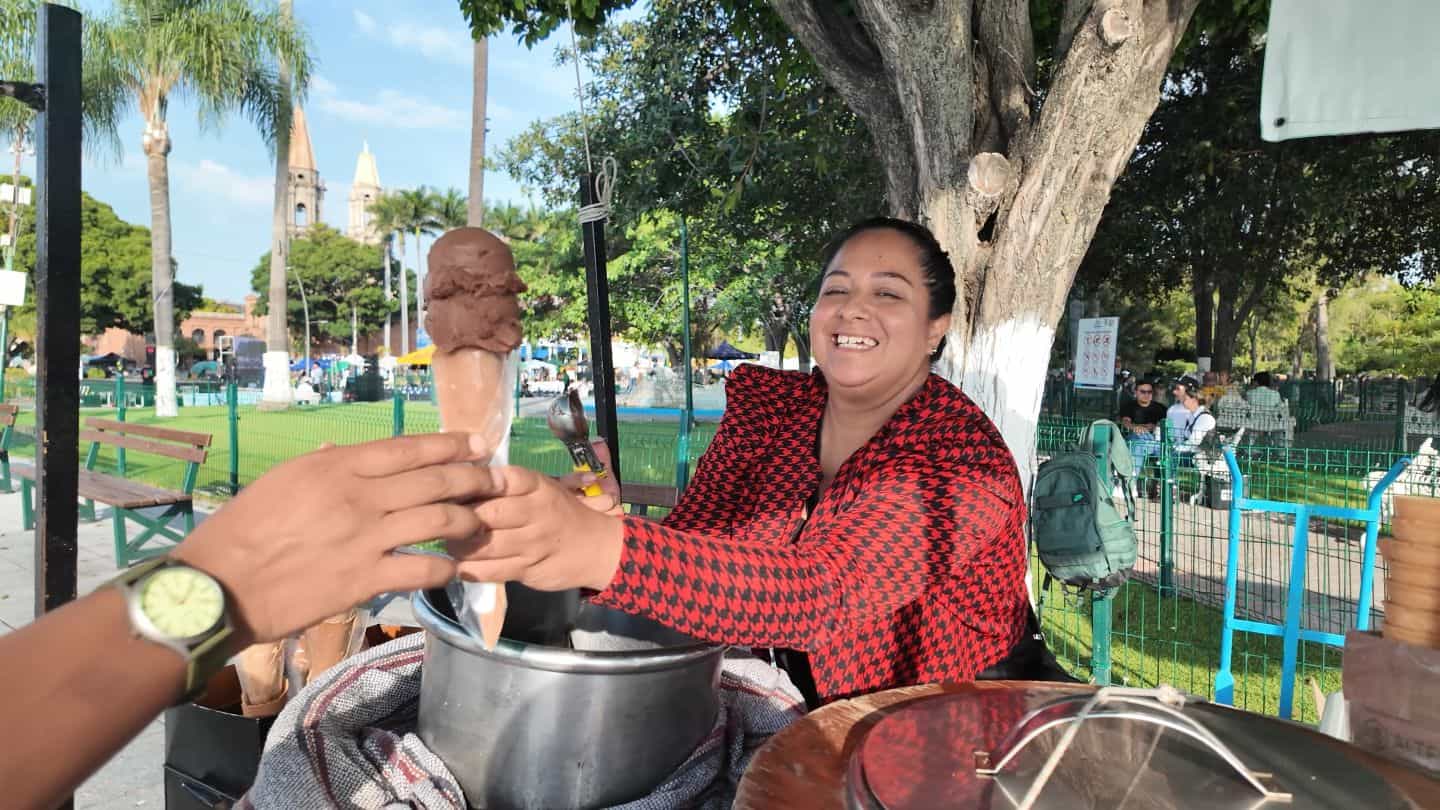
Nieves de Garrafa | Hand Churned Ice Cream
Along the lakefront, vendors hand-churn ice cream in metal cylinders packed with salt and ice. This is nieves de garrafa, ice cream made the old way. You’ll find flavors like strawberry, coconut, pine nut and lime.
The churning takes muscle and patience. Vendors turn the handle for close to an hour until the mixture freezes into smooth ice cream. The texture is different from machine-made ice cream, a bit icier but full of flavor.
I tried strawberry ice and it was made with real strawberries and is such a treat.
Where to Eat Nieves de Garrafa:
Along the malecón
Fruits in Mexico
Ponche de Frutas Casero | Homemade Fruit Punch
When the weather cools down or during festivals, families make this warm fruit punch. It’s packed with seasonal fruits like guavas, tejocotes (Mexican hawthorn), sugarcane and apples, all simmered with cinnamon and piloncillo.
This is celebration food. You’ll find it at Christmas posadas, town festivals and family gatherings. People ladle it into cups and eat the cooked fruit with a spoon.
Where to Drink Ponche de Frutas:
Seasonal festival stands near the plaza