
Get the best deal without being rude, learn how to haggle in Mexico, especially when and where you can negotiate price.
Coming from a culture that doesn’t bargain, I learned getting the lowest price isn’t the goal.
For many of us from the United States and Canada, haggling in Mexico feels a bit scary. We grew up in a culture where the price on the sticker is final.
Asking for a lower price feels like we are being rude or cheap. But in the right places in Mexico, haggling is a normal part of life. It is a social dance that helps you connect with local sellers.
I’ve traveled to Mexico more than a dozen times over the last 15 years. And I mostly shop at markets and want to support local businesses. And so learning how to haggle and more importantly where to haggle has been an important lesson.
Just like tipping in Mexico, everyone approaches it differently. But here is my perspective on how to haggle in the spirit of local customs, without offending locals.
Here’s what I have learned about when it is okay to bargain and where you should just pay the asking price. Locals have taught me the polite way to ask for a discount without offending anyone.
It’s a win-win situation when you learn to haggle with locals instead of shopping in big box stores. It allows travelers to support the local economy while finding items they love.
Where to Haggle in Mexico
Not every place in Mexico is open for price negotiations. If you try to haggle in the wrong spot, you might get some very confused looks.
It is helpful to know the difference between a corporate store and a local market.
Open Air Markets and Tianguis
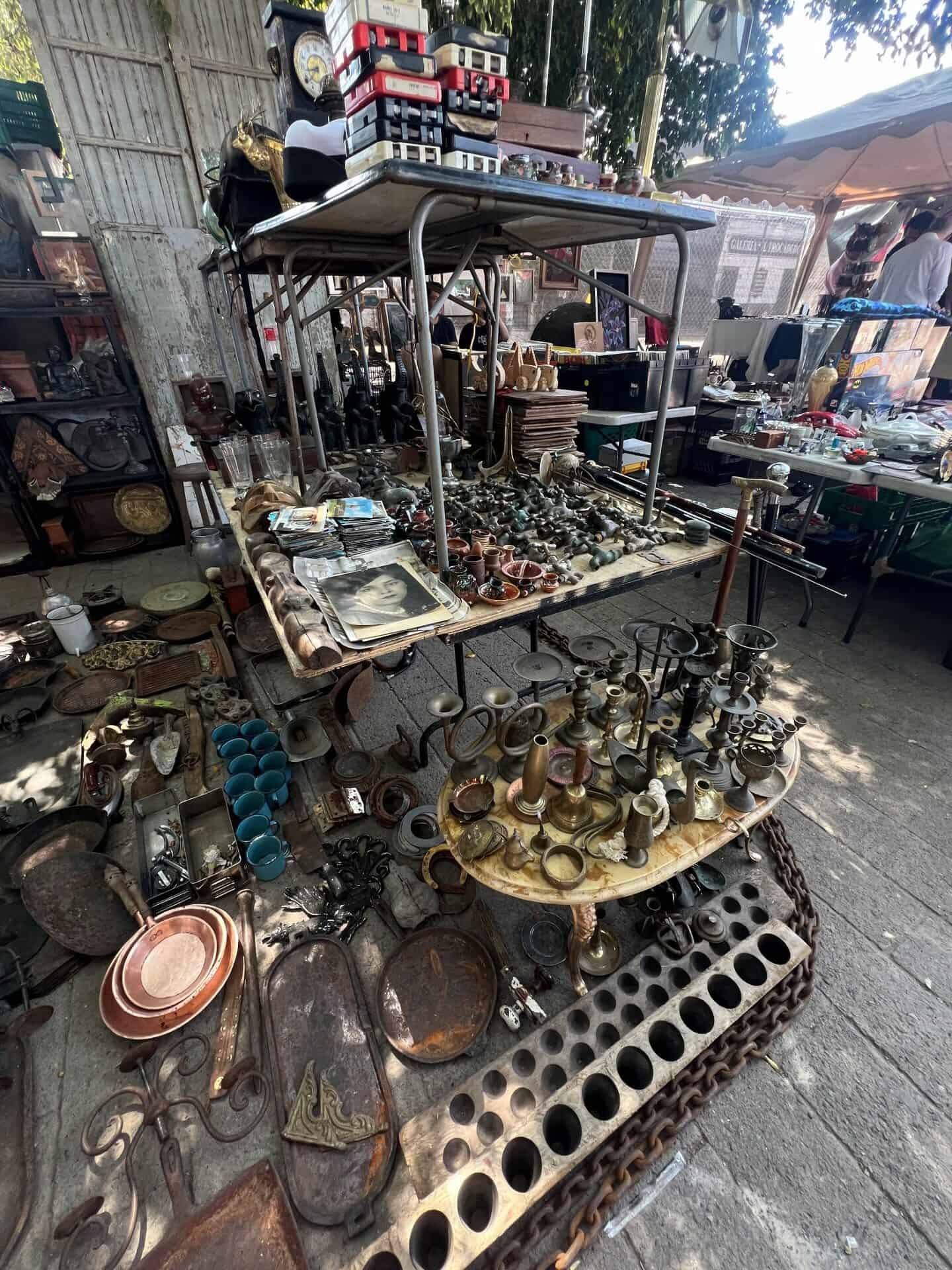
A tianguis is a traditional open-air market that only exists on certain days of the week.
These are the heart of Mexican commerce. You will find everything from fresh produce to antique furniture here.
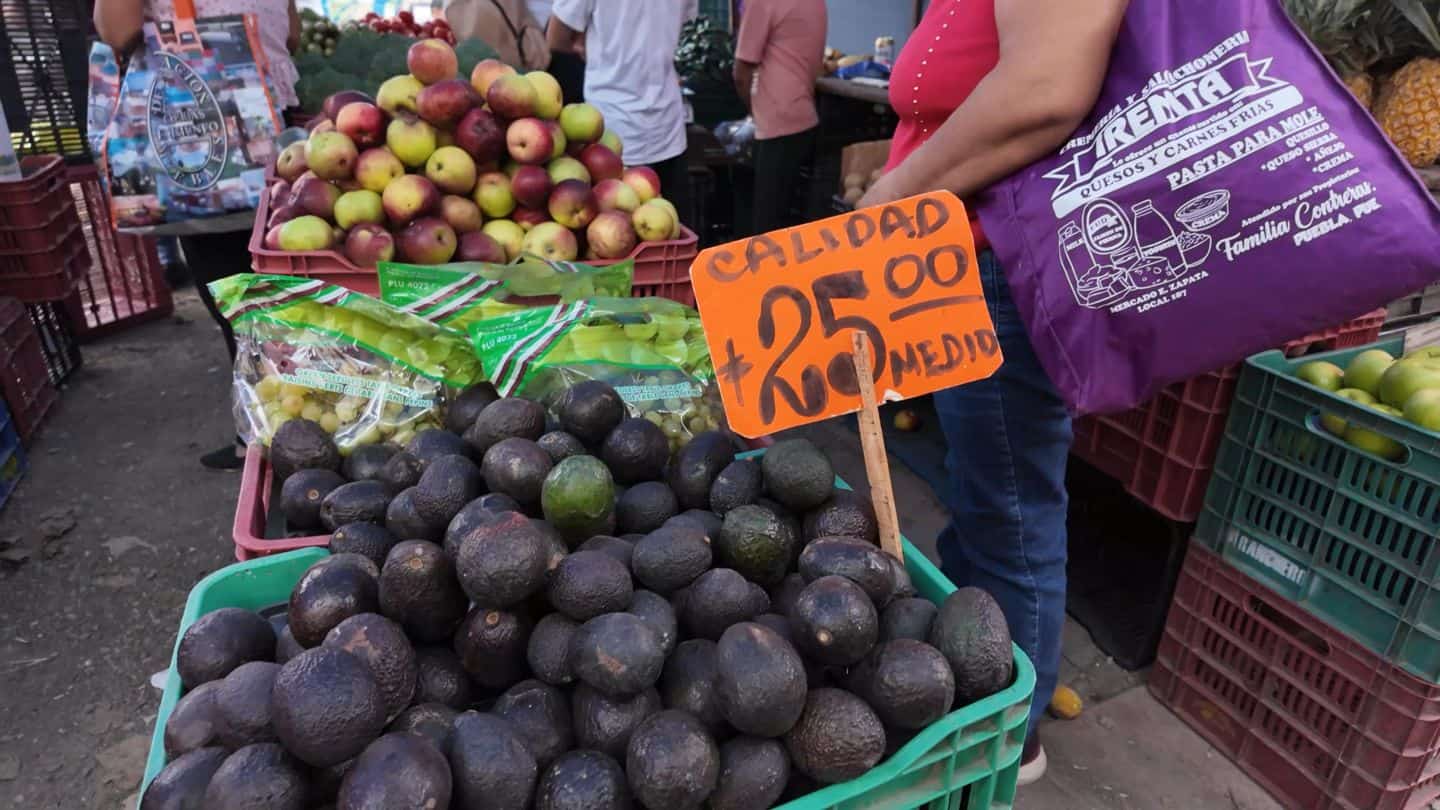
When there is a price tag it means it is a fixed price. This is especially true when it comes to Mexican food establishments. It’s not customary to ask for a discount unless say you’re asking for an whole animal or an entire flat of something.
If that’s the case you can ask if there is a discount but don’t expect one.
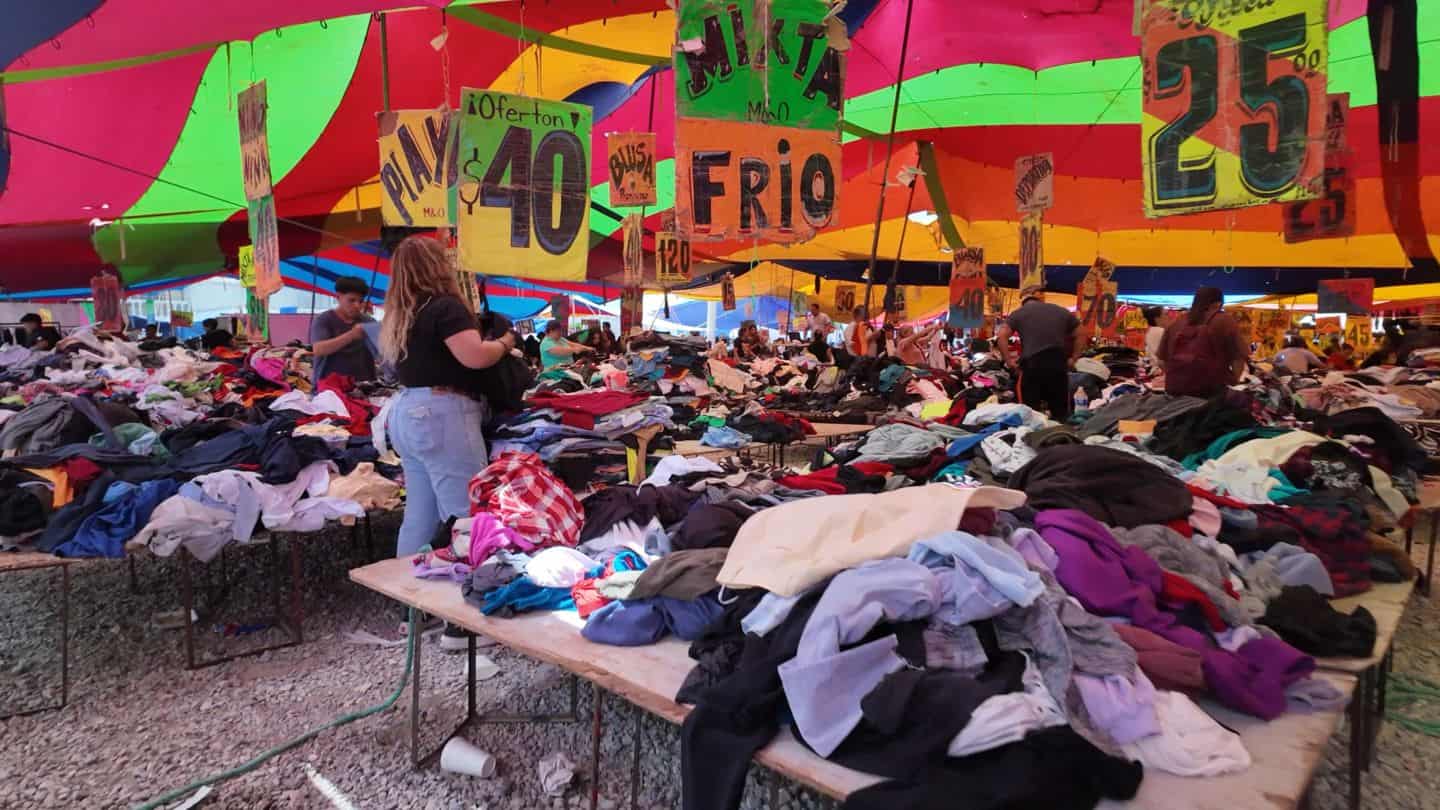
But if there’s no sign with a price most vendors in these markets expect to negotiate. Flea markets, second-hand shops and bazaars are also great places to try your skills.
Hotels
This is a tricky one. The key is not to book online. I’ve had a lot of luck getting a lower price with independent hotels in Mexico when I book directly and pay cash or send a bank transfer.
If you’ve already booked online there’s no chance to haggle as the agreement is set. But hotels and Airbnbs pay a lot of transaction and service fees, so if you offer to pay direct in cash you side step many of those fees.
I often get hotels to discount the price by reaching out on WhatsApp and asking if there is a better direct price.
Luxury hotels in Mexico or multinationals don’t have the same flexibility. But for small independents it is a win-win for them not to pay fees.
Artisan Stalls and Crafts
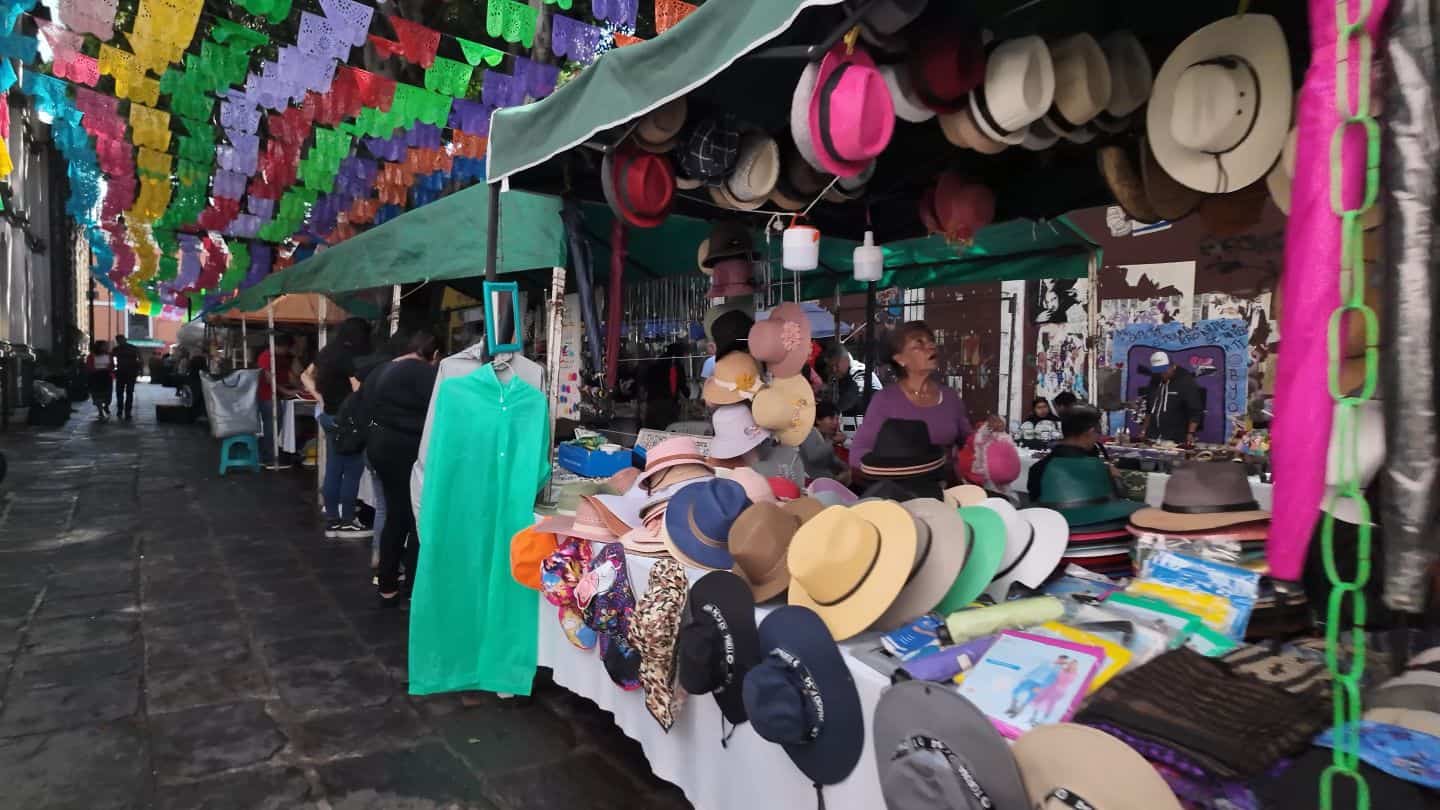
When you see stalls filled with pottery or blankets, you are in the right place. These items often do not have price tags and so it can be discussed.
If you see something you like start a conversation.
If the person at the stall makes the item I do not negotiate. But if it looks more like a store where someone is buying from a village I may ask if there’s a discount.
Honestly I don’t really like to haggle for artisan goods, especially in Indigenous communities. Many of these items take days or weeks to make so it’s not going to be as cheap as factory made goods.
My rule of thumb is that the “fair price” is one that I am willing to pay.
Local Taxis
Unlike Uber, traditional taxis in many Mexican cities do not use meters. You should always ask for the price before you get into the car.
Even better ask your hotel the average price to go distances in town or to a specific destination.
If the price seems too high for the distance, you can offer a lower amount. It is much better to agree on a price while standing on the sidewalk. This avoids any awkward moments when you reach your destination.
I loathe negotiating with taxis but its unavoidable at times. I look at the distance on a map to see how far it is and if the rate is too high I will often counter with a lower price mentioning it’s only a 10 minute ride.
I know that I’m not going to get a local rate so I just try no to pay the ridiculous rate.
When to Pay the Full Price
Haggling in Mexico isn’t as common as you think. Perhaps at one time it was the standard but many locals don’t negotiate price at all.
There are many times when you should skip the bargaining entirely. Knowing these rules will help you stay a respectful guest.
Corporate and Chain Stores
Do not try to haggle at large supermarkets like Chedraui or Walmart. The cashiers there do not have the power to change prices.
The same rule applies to chain clothing stores or pharmacies. Basically, if the store looks like one you would find in a mall back home, pay the listed price.
Restaurants and Food Stalls
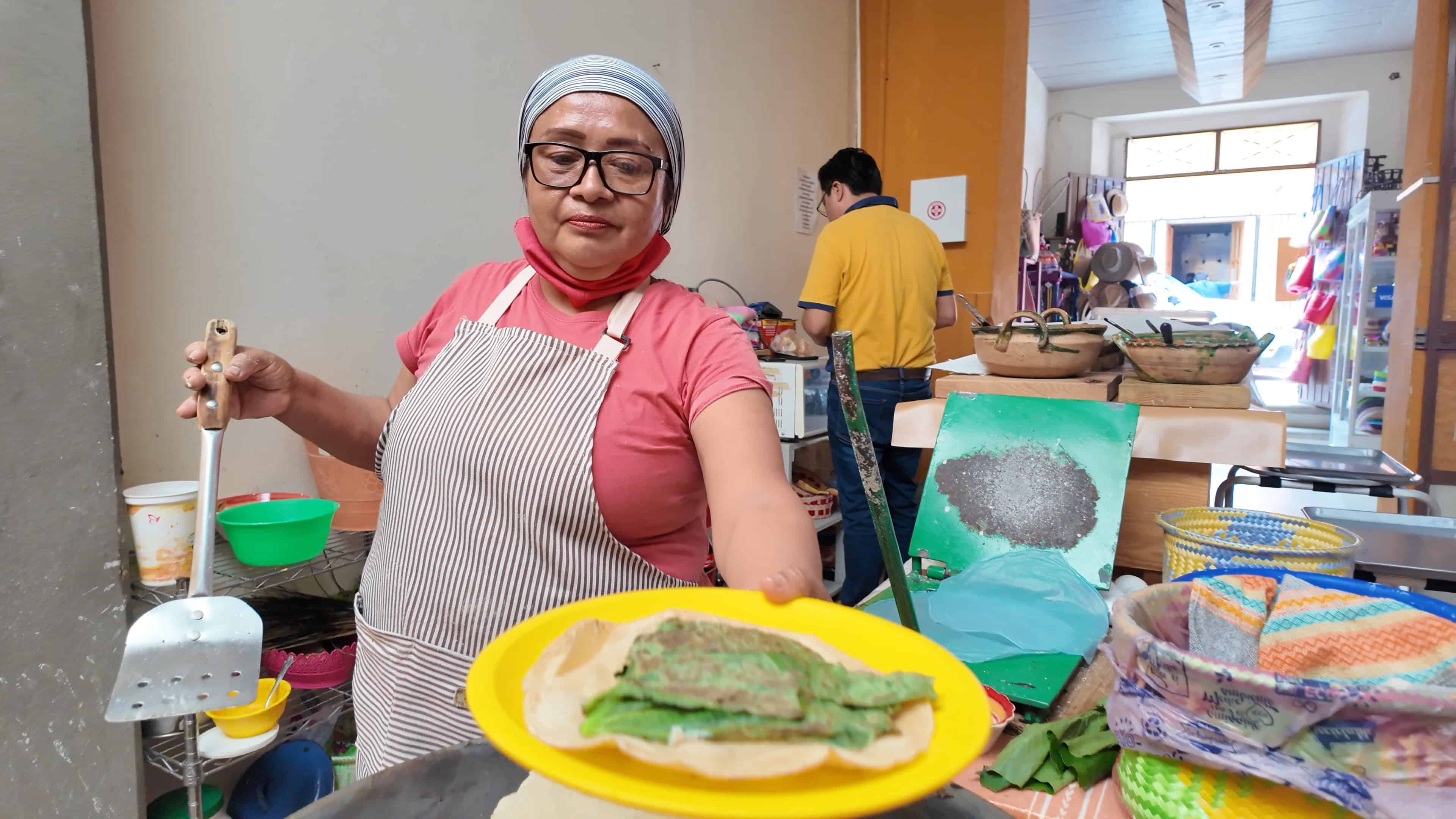
Haggling over the price of a taco or a meal is considered very rude. The prices on the menu are what you should pay. This includes small family-run street stalls.
These vendors work with very thin profit margins. Trying to save a few pesos on your lunch is not a good look.
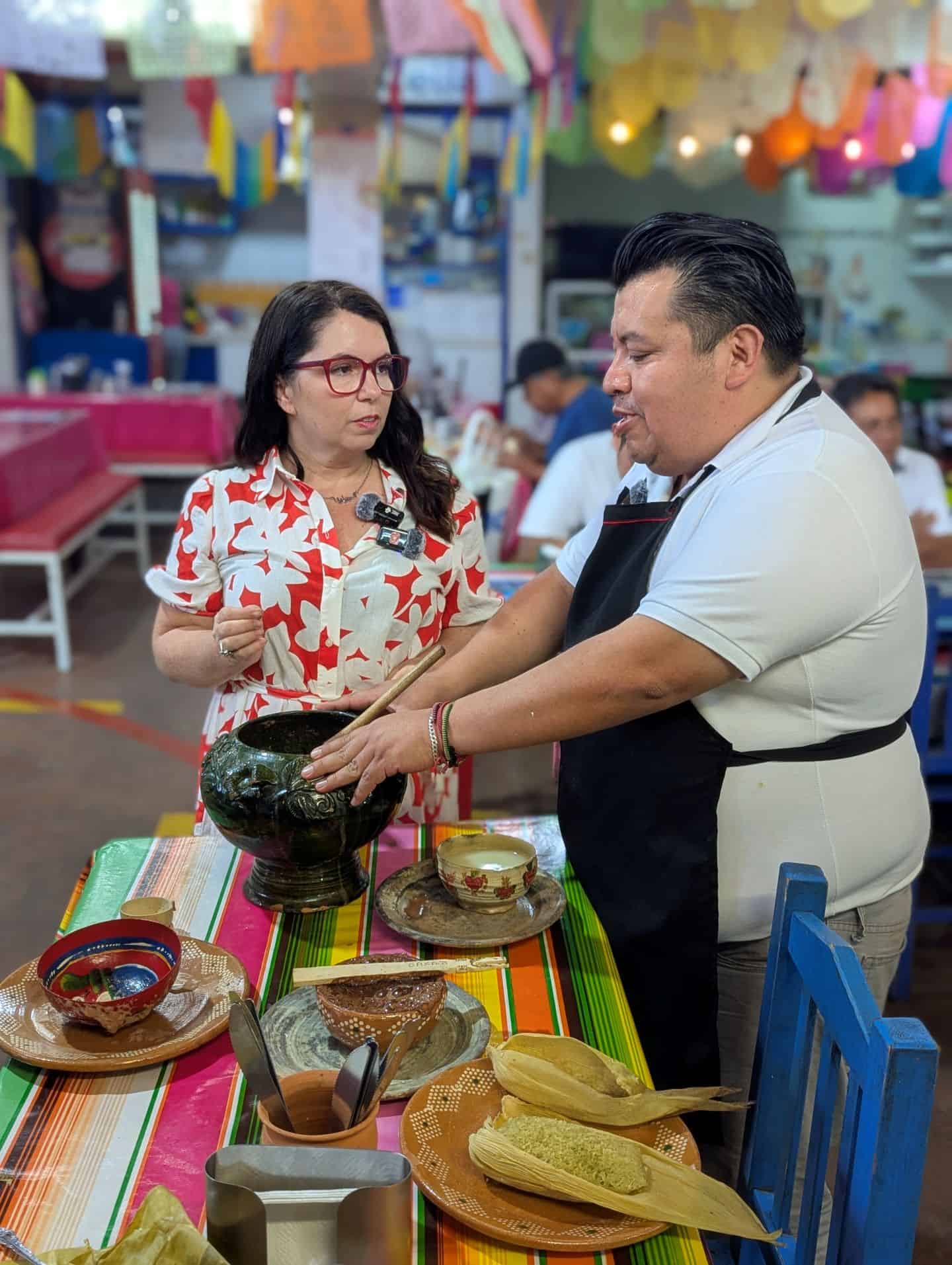
On my last trip to Mexico with my partner we often ate at the same small family restaurant and if he asked for extra rice or more juice they often gave it for free but we never expected it.
Neighborhood Markets / Local Mercados
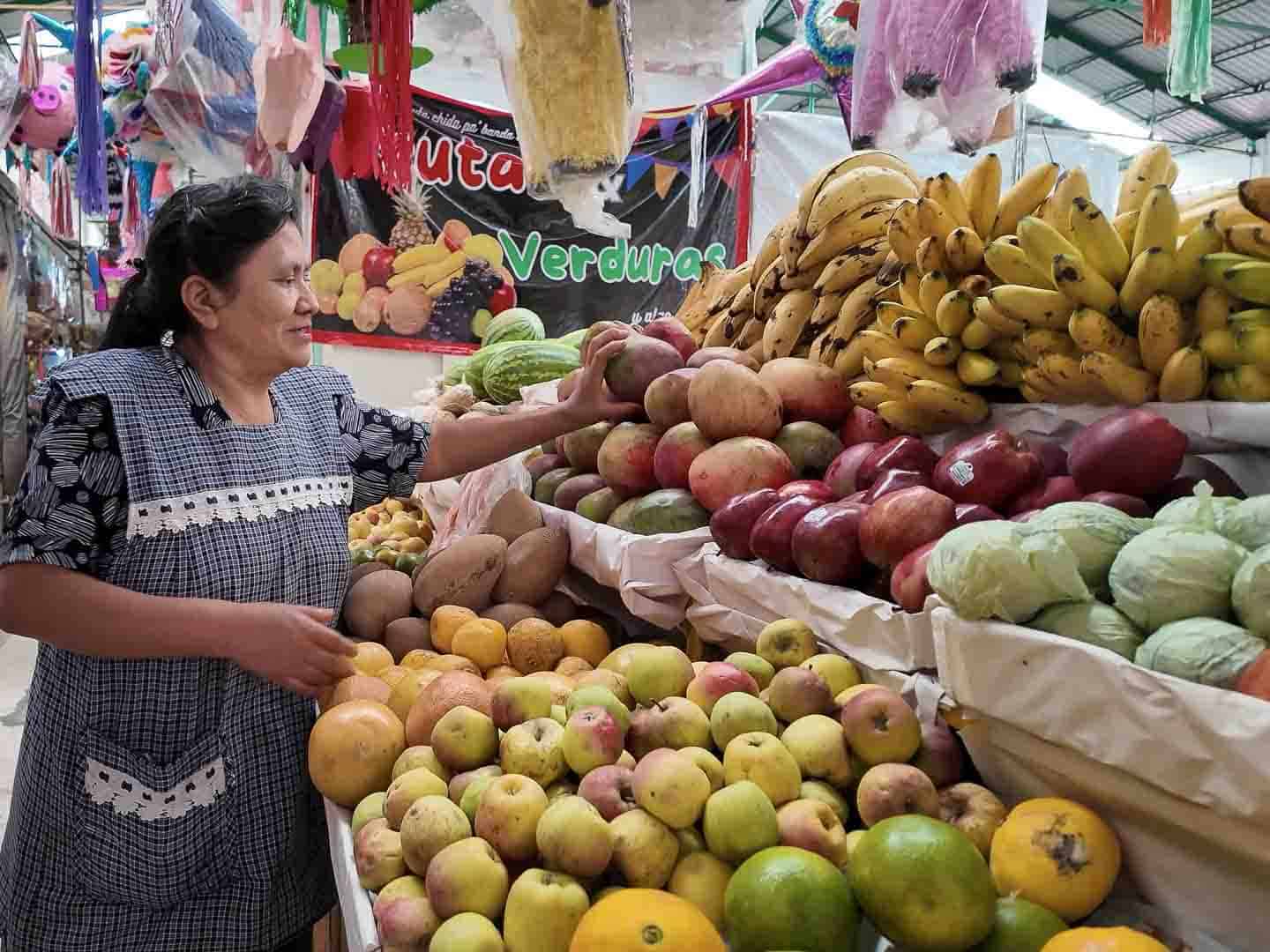
There is a big difference between a tourist market and a regular neighborhood market. In a local market where people buy their weekly groceries, haggling is often seen as unacceptable. Sometimes
These vendors are selling essential goods to their neighbors. They are already offering fair prices to the community. It is best to pay what they ask and say thank you.
However, if you are visiting the same stall regularly you may receive la ñapa. It is a tradition in many Latin American countries where a market seller will give you a little more mango, or something special.
It’s kind of like the original loyalty program and it doesn’t take long. We tested out living in Puebla for 30 days and after 2 or 3 visits to the same vendor for produce she started giving us a fruit to try.
The Artisan Ethics Debate
I mentioned this above but it really deserves it’s own section.
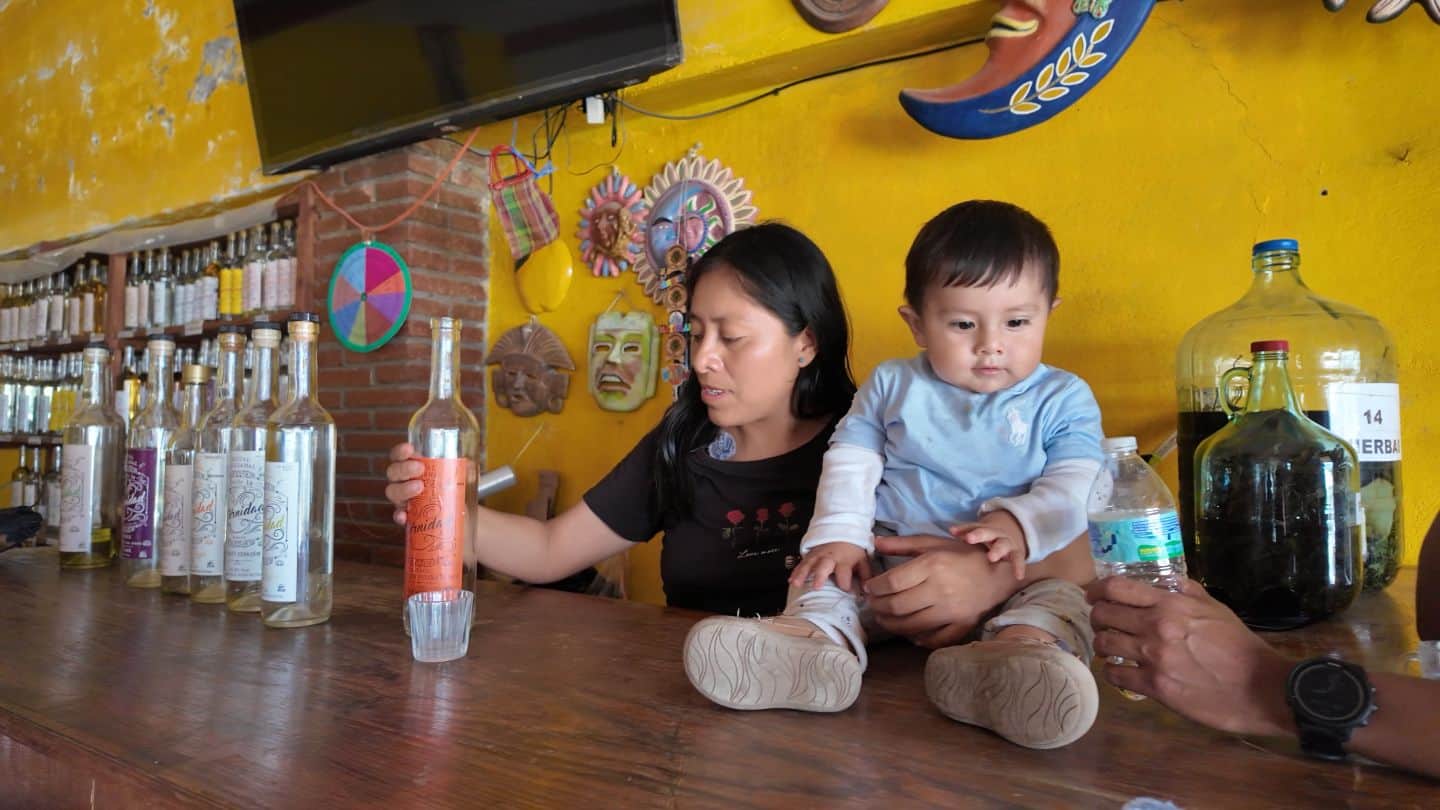
There is a lot of discussion about haggling for handmade goods. Some travelers believe you should always try for a deal. Many locals and long-term expats disagree. It is important to think about the person behind the product.
Many items in Mexican markets are made by Indigenous artisans. Their work is often undervalued by the global market.
When you haggle hard with an artisan, you are asking them to take less for their talent. Some people choose to almost never haggle for handmade art. They prefer to pay the full asking price to support the artist.
However, some vendors in tourist areas may triple the price because you look like a foreigner. If you suspect the price has been inflated just for you, then it is fair to negotiate.
While some believe the goal is to reach the “normal” price that a local might pay I don’t think tourists should ever pay the same as locals for a one-time purchase but that’s just me.
Use your best judgment and always lead with kindness. And remember when you buy from women you’re supporting a family.
How to Haggle Like a Pro
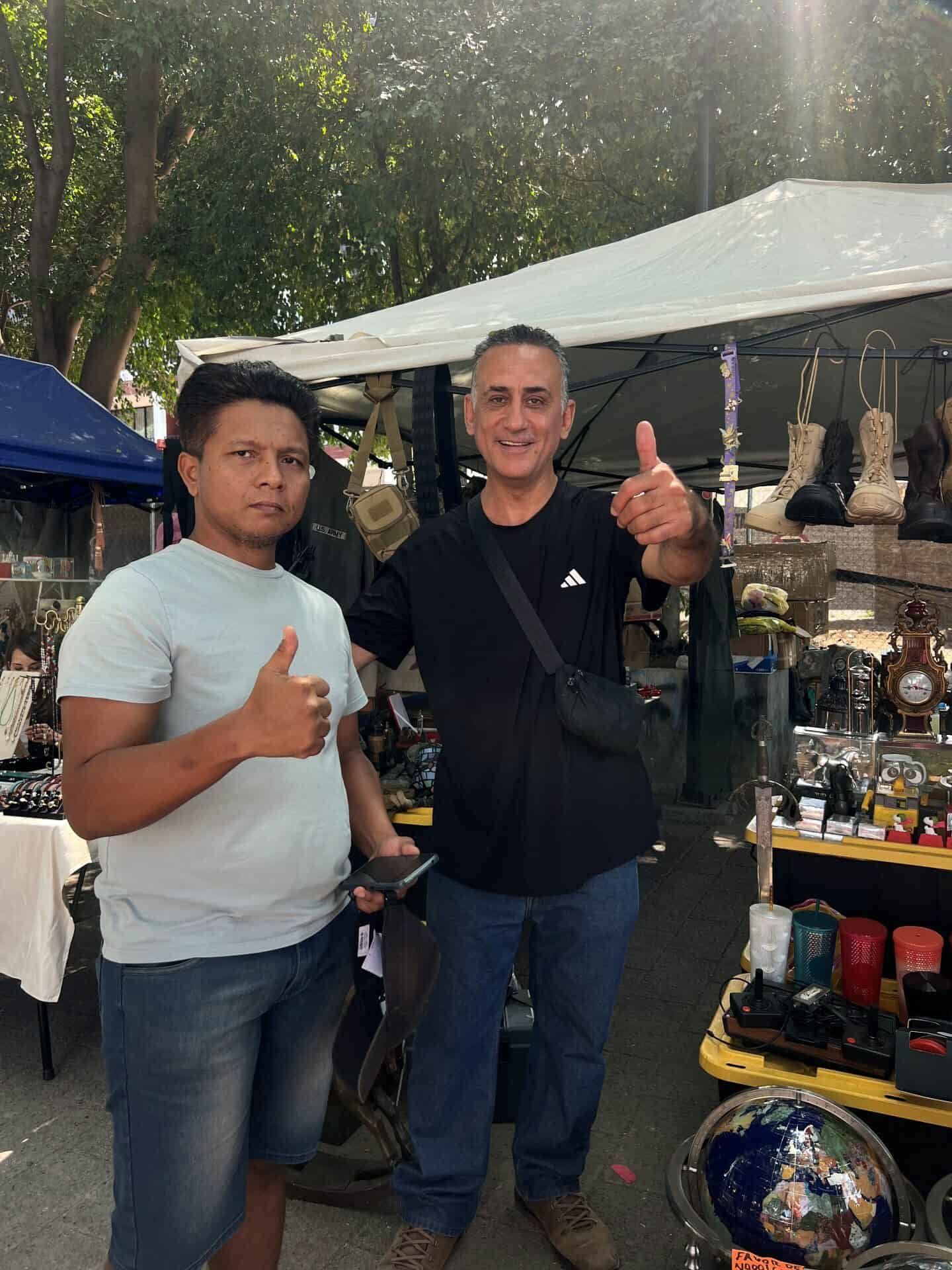
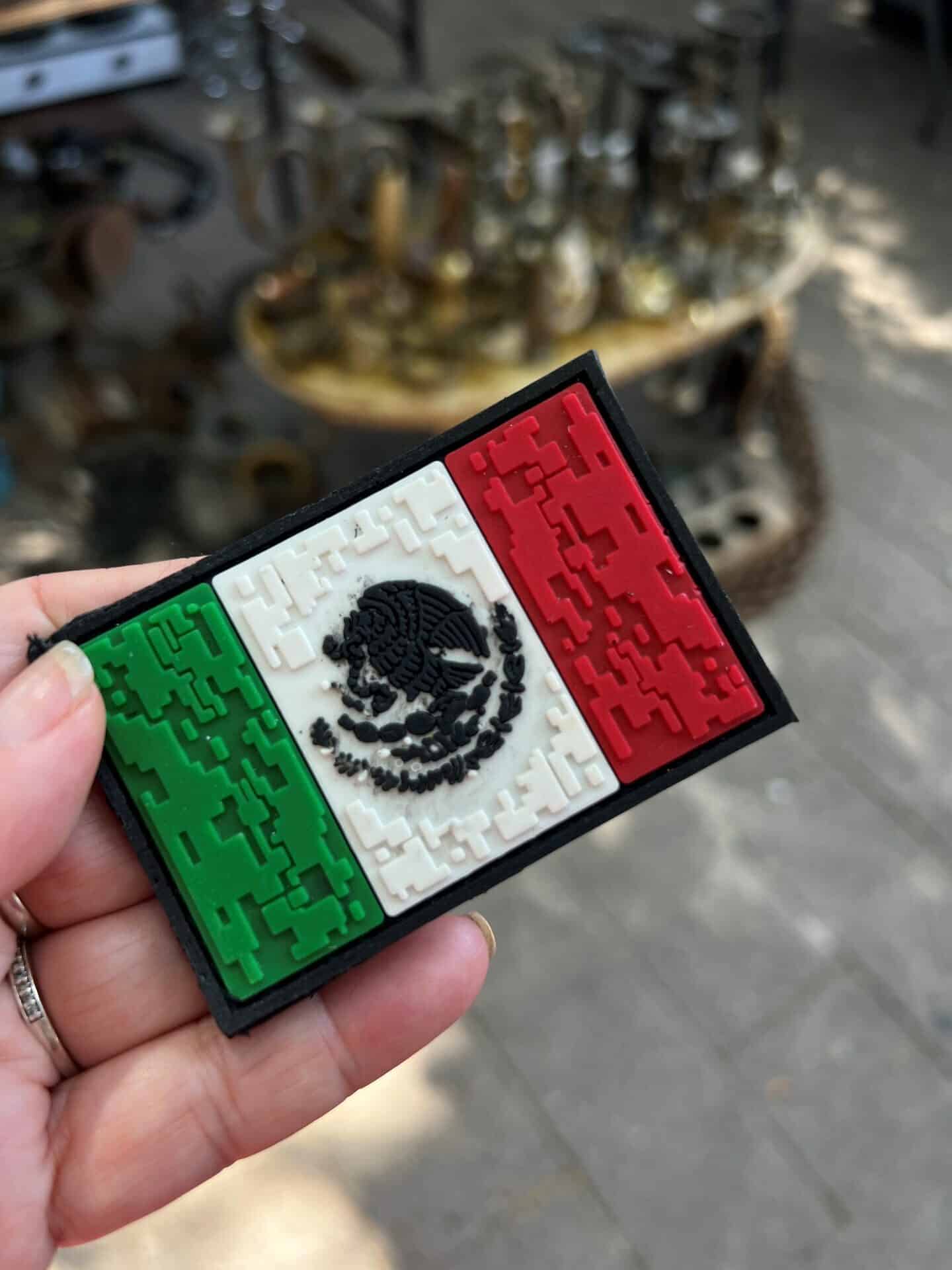
I have learned it shouldn’t be a battle but a friendly debate. You should do it with a smile and have fun with it. If you truly feel someone is taking advantage of you then move on.
Start with a Greeting
Always begin with a warm “Buenos días” or “Buenas tardes”. In Mexico, it is polite to acknowledge the person before you talk about business.
You can even say something nice about the item you are looking at. A simple “Qué bonito!” goes a long way in building trust. This shows you appreciate their work.
Ask the Right Way
Decide first what you think the “fair price” is, what are you prepared to pay?
When you are ready, ask for the price politely. You can say “Cuánto cuesta?” which means “How much does it cost?”
If the price feels high, you can ask “Es lo menos?”. This translates to “Is that your lowest price?”. This is a very common and respectful way to start the process.
The Polite Walk Away
If the price is double or triple what I was prepared to pay I respectfully walk away. I tell them it is beautiful but out of my budget. I don’t want to waste their time or negotiate to a level that is beneath what they should earn.
Sometimes, the seller will call back with a better offer. If they do not, then you know you reached their absolute limit. I find while this still happens often in Asia it’s not as common to haggle this way in Mexico.
You can always go back later if you decide the original price was actually fair.
The 20 to 30 Percent Rule
If you are within range of what you think is fair a good starting point is to offer about 20% or 30% less than the initial quote.
If a vendor asks for 500 pesos for a rug, you might offer 350 or 400 pesos. You can then meet in the middle at a price that works for both of you.
Never offer a price that is insulting or far below the value of the work.
Write Numbers Down
Spanish numbers can be tricky, especially when you are in a busy market.
It is easy to confuse cincuenta (50) with quinientos (500). I once made a mistake while buying some cast iron pans and offered a much lower number than I intended.
It was quite embarrassing when I realized my math error. Keeping a small notepad and a pen helps you stay clear. You can write your offer down and pass the paper to the seller.
Or use the calculator on your phone, it’s very common to do this around the world.
Master the Bundle
Sometimes you can get a better deal without even asking for a lower price on a single item. There are a few classic moves that work well in any Mexican market.
Vendors love to sell more than one thing at a time. If you want to buy three shirts, ask for a “bulk” price. You might say, “If I buy three, what is the best price?”
Most sellers will happily give you a small discount for the extra business. This is a win for everyone involved.
Finishing the Transaction
Once you and the seller agree on a price, the deal is done. It is very important that you do not change your mind at this point.
In market culture, an agreed price is a promise to buy. Hand over your money, take your item, and give a big “Muchas gracias.”
Always have a variety of small bills and coins in your pocket. It is hard to haggle for a 50-peso discount and then pull out a 500-peso bill.
Having exact change also helps seal the deal quickly. It shows the seller that you are ready to finish the transaction right now.
Everyone Leaves Happy
Haggling is about finding a balance. You want a fair price, and the seller needs to make a living.
If you approach every interaction with respect and a sense of humor, you will do just fine. I like to have a bit of a chat with the vendor, show appreciation for what they offer and then end it with a sale.