
Picture spending $180 on a box of steaks that shows up warm. The dry ice is gone, the gel packs are soup, and the ribeyes have that grayish sheen that tells you dinner is already lost.
The company might refund you, sure. But you’re still eating cereal on Saturday night while staring at a cooler full of regret.
It happens more often than it should, and it’s almost always avoidable. The difference between a great box and a $180 mistake comes down to about six things you can check before you ever type in a card number. Most of them take under a minute.
If you want the shortcut version, start with a shop that specializes in beef rather than a general grocery site with a freezer aisle.
Kansas City Steaks, for example, has built its business around steak online ordering, so its whole process is designed to get cuts to your door cold and intact, which is half the battle. The rest is on you.
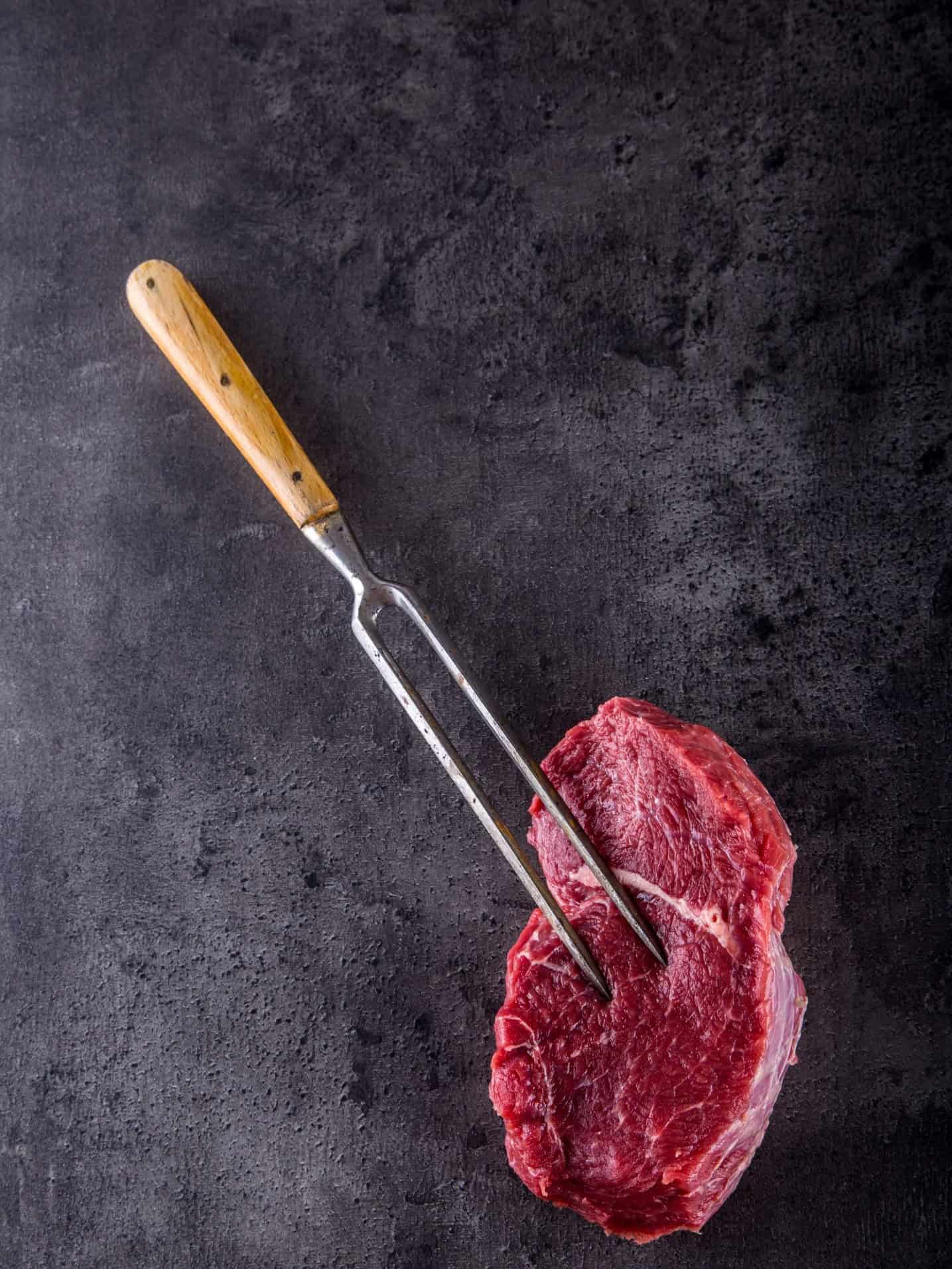
What actually happens between the click and your porch
Your steak gets cut, vacuum sealed, frozen or chilled, packed with a coolant, and handed to a carrier with a delivery window that the shipper pays extra to control.
That last part matters more than people realize. Ground shipping on frozen meat is a gamble in July. Overnight or two-day service is not upselling, it is the whole mechanism.
When you see a site offering free three-day shipping on perishables in summer, read the fine print about melt protection before you get excited about the discount.
MAKE THIS RECIPE: Steak with Salsa Verde
Packaging has improved a lot in the past decade. Vacuum sealing removes the air that turns beef brown and funky, and modern insulation holds temperature far longer than the foam coolers of the past.
Still, you want to be home, or have someone who can get the box inside within a couple of hours of arrival. A box left on a sunny porch until evening because nobody checked the tracking is one of the most common ways a good shipment gets ruined.
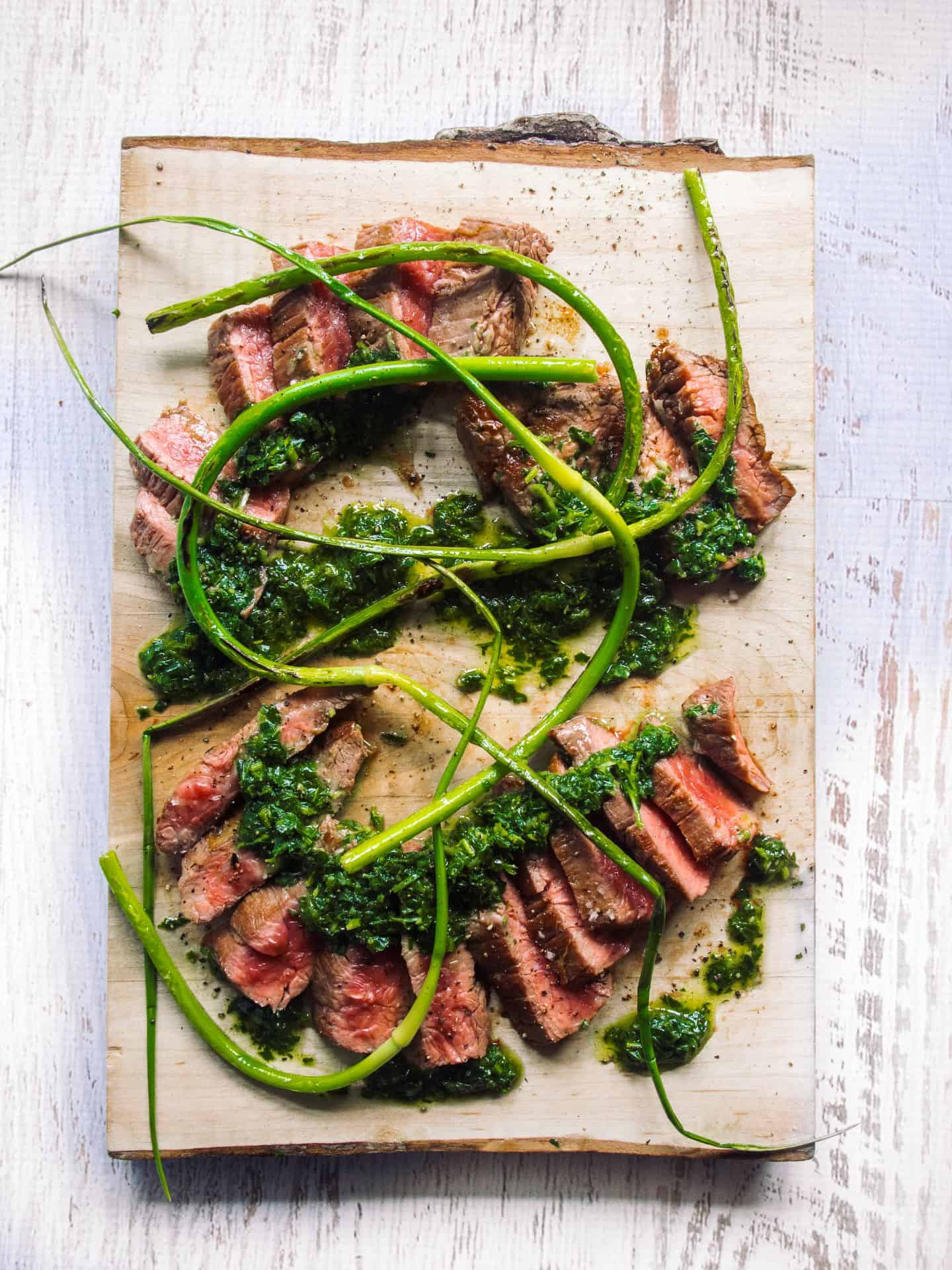
Read the grade before you read the price
Here is the thing most first-time buyers skip: the USDA grade stamp on the box tells you more about what you are eating than any marketing copy on the product page.
Prime means the beef has more marbling, which generally translates to more flavor and forgiveness if you overcook it slightly. Choice is still excellent beef and often the better value, especially for cuts you plan to marinate or slice thin. Select is leaner and less forgiving.
According to the U.S. Department of Agriculture, beef grading is a voluntary, fee-based service, which is why some producers skip it entirely and sell by brand name instead.
That does not make ungraded beef bad. Plenty of small ranches raise outstanding animals and grade them under their own label. But if a page says “premium” with no grade and no breed information, you are buying a word, not a standard.
READ MORE: Traditional Argentinean Food
I look for either a USDA grade or a named program like American Wagyu, and I move on if neither shows up.
Dry aging is the other label worth understanding. Dry-aged beef sits in a temperature and humidity controlled room for weeks, losing moisture and developing a nutty, concentrated flavor. It costs more because you are literally paying for weight that evaporated. Is it worth it?
For a strip or ribeye you plan to cook simply, yes. Filet benefits the least from dry aging, so it’s rarely worth the premium there. For steak tacos, no. Save the money.
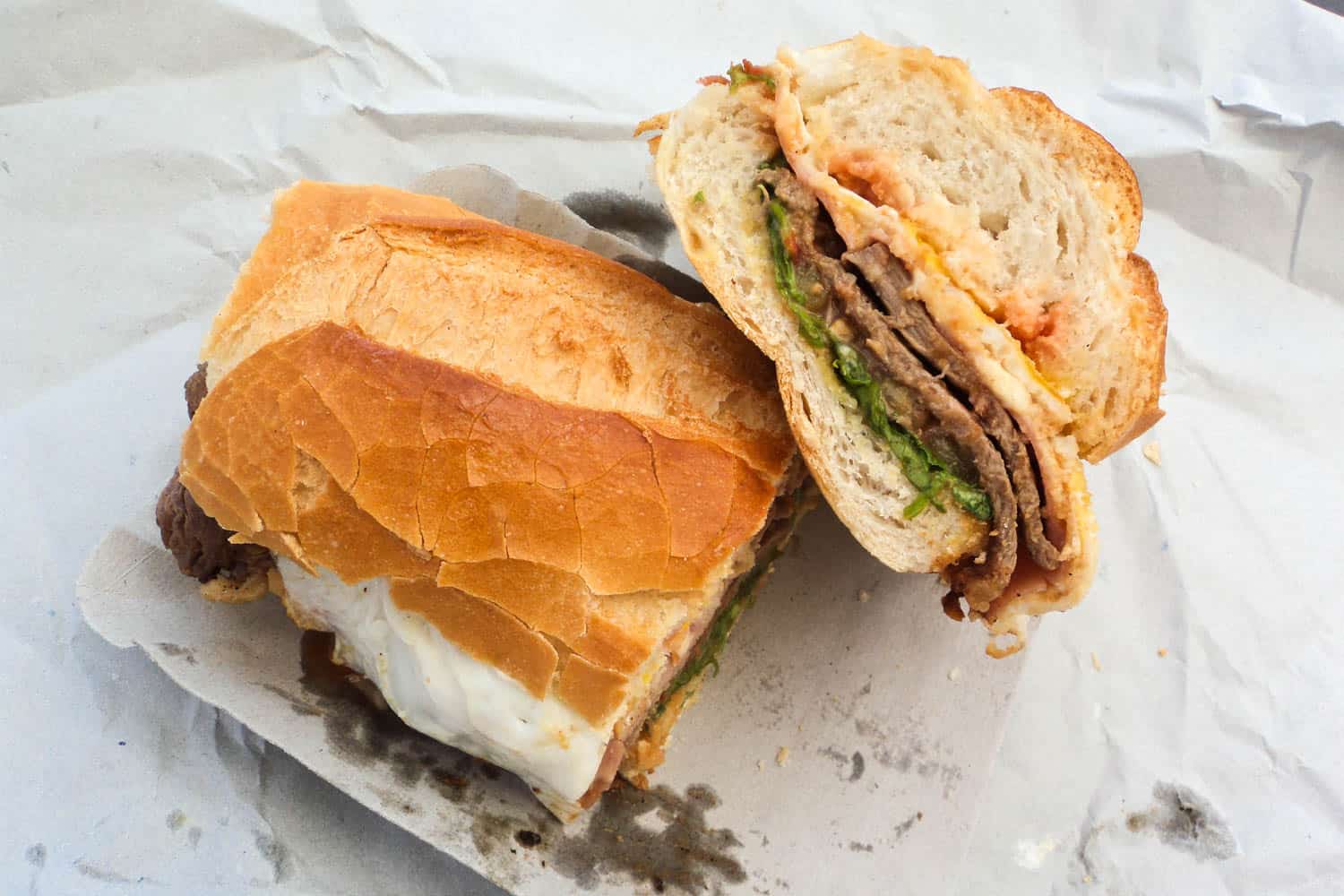
The cuts that survive a cardboard box
Not every steak travels equally well. Thick, well-marbled cuts handle freezing and thawing better than thin, lean ones, and anything pre-portioned arrives in better shape than a big roast you have to break down yourself.
● Filet mignon: tender, mild, and forgiving of a hot pan. Order it thick, at least 1½ inches, or it overcooks before you get a crust.
● Ribeye: my pick for a first online order. The marbling means it tastes good even if your timing is off by a minute.
● Strip and porterhouse: great flavor, slightly chewier, ideal if you like a firmer bite.
● Skirt, flap, and sirloin: buy these if you are feeding a crowd or marinating. They are the value plays.
Variety packs exist for a reason, and it is not just marketing. They let you test a shop’s sourcing across several cuts in one order, so you learn whether their beef runs to your taste before you commit to a case of filets.
My first order from any new purveyor is always a mixed box.
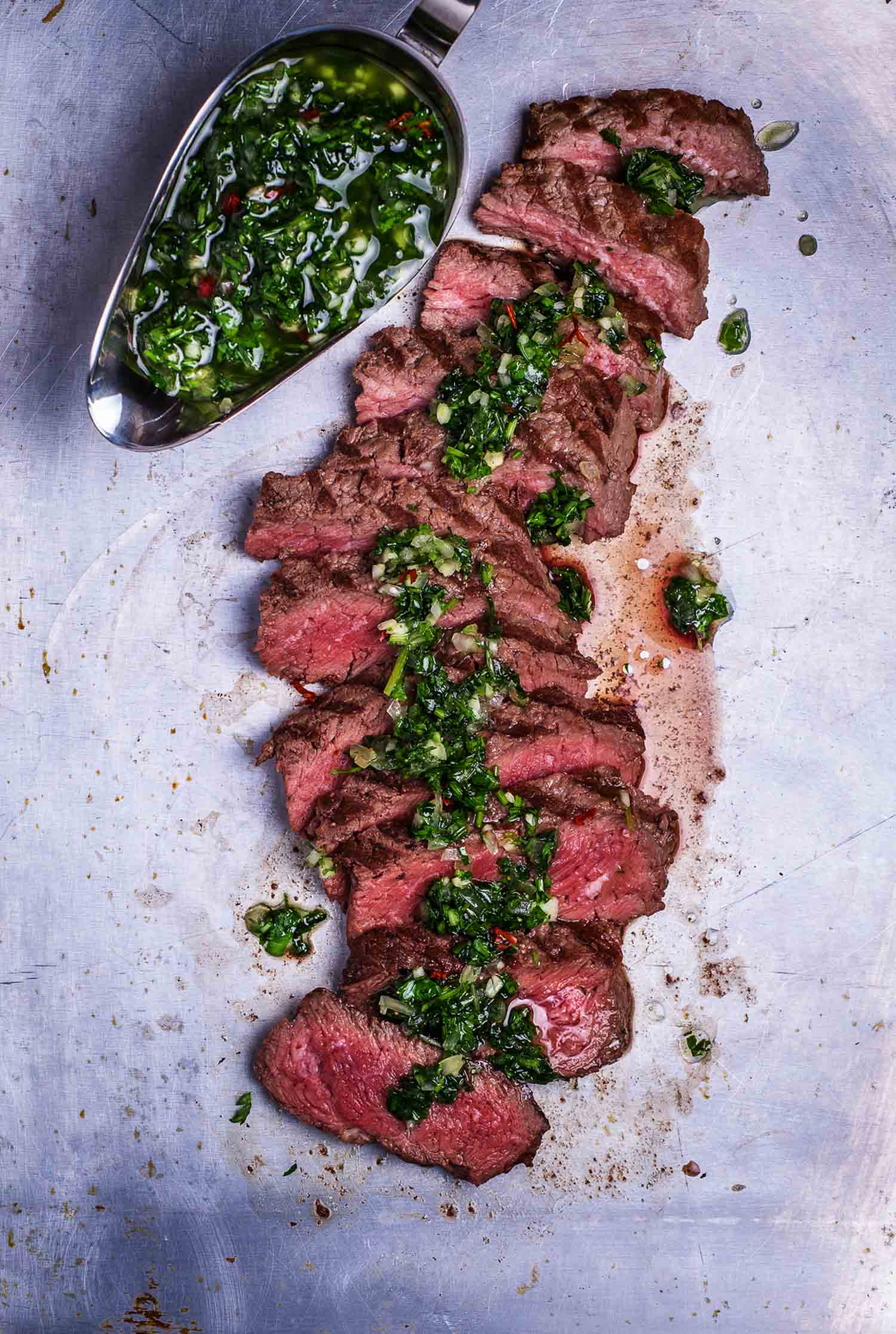
Food safety rules nobody prints on the box
Thawing is where good meat goes to die. Leave a vacuum-sealed steak on the counter all afternoon and the outside warms into the danger zone long before the middle softens. Put it in the fridge a day ahead instead, on a plate, on the bottom shelf.
The Food Safety and Inspection Service’s thawing guidance draws the line at 40 degrees Fahrenheit for refrigeration, and that number is not negotiable just because you are hungry.
If your delivery arrives above that temperature or smells sour when you open the seal, photograph everything and contact the seller before you cook or freeze it. Reputable shops replace shipments without a fight.
Cooked leftovers are a different clock entirely. The federal cold storage chart on FoodSafety.gov puts the refrigerator window for cooked steak at three to four days, which is shorter than most people assume.
Eat the steak you paid for while it is at its best rather than pushing it.
My pre-checkout checklist
Run through this before you pay, every single time:
1. Is the grade or breed named on the product page, not just in a banner ad?
2. Is the shipping method overnight or two-day, and does the site mention dry ice or gel packs?
3. Are the cuts at least an inch thick, or are you paying premium prices for thin slices?
4. Does the shop list a phone number and a real return policy for temperature issues?
5. Is the price per pound comparable once you add shipping, or does the low sticker hide a $40 freight charge?
That fifth one catches people constantly. A $99 box looks like a steal until checkout adds cold-chain freight and the total lands closer to $150. Always price the whole cart, not the headline number.
One more tip: order your first box in spring or fall if you can. Summer shipments are more likely to arrive with the coolant starting to soften, even from shops with solid reputations. Mild weather gives the carrier less room to fail you.
Is it worth it?
Ordering beef online is not risky once you know what to look for. Stick to shops that name their grades, ship overnight with real coolant, and stand behind the box if something goes wrong.
Buy thicker cuts for simple cooking and thinner, cheaper ones for marinades. Thaw in the fridge, cook with a thermometer nearby, and shoot the seller an email the moment anything looks off.
The steaks that arrive cold and properly aged will beat anything sitting under plastic wrap at your supermarket, and they will do it on a Tuesday night with zero planning.
Next time you are browsing product pages, ask yourself one question: does this seller tell me exactly what I am buying, or do they just call it premium? Your answer decides whether dinner is a win or a $180 lesson.