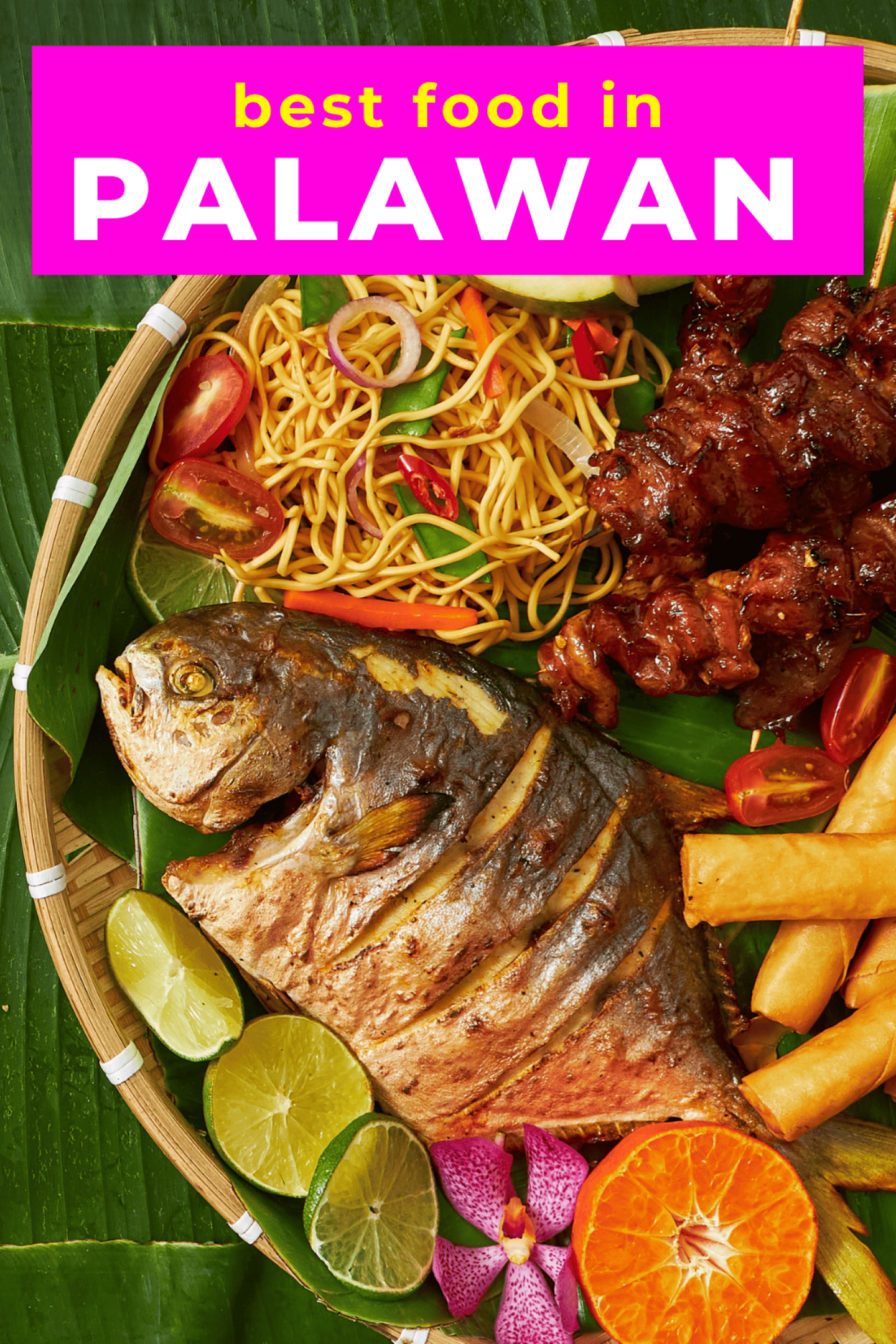
One of the most beautiful islands in the Philippines, the food of Palawan is something you don’t want to miss.
I planned to go to Palawan for a week and instead I stayed a month. And I would go back in a heartbeat. It’s one of the most popular islands for a reason, everywhere you go has insane views, limestone cliffs, fantastic beaches.
And somehow you can still get reasonably priced hotels in Palawan, which is mind boggling as I find most hotels in the country are overpriced.
But the food scene here is a bit complicated. Many Filipinos want to eat international food and a lot of tourists do too. And while there’s great shawarma, pizza, pasta and other food I think most people miss the unique food of Palawan.
But one of the great things is when you take a tour the crew brings tons of local seafood, knowing this is what tourists want and also happens to bring the best tips.
Palawan Food Influences
Filipino food often gets overshadowed by its Southeast Asian neighbors. But Palawan offers something truly special. This island paradise combines Filipino traditions with influences from Malaysia, Indonesia, China and Spain.
The cuisine feels familiar yet different from what you’ll find in Manila or Cebu. It blends traditional Filipino cooking with flavors from nearby Malaysia and Indonesia.
You’ll notice more coconut milk than in northern Filipino dishes. Spices like turmeric, lemongrass and ginger appear regularly.
The Tagbanua and Batak Indigenous peoples have influenced local cuisine for centuries. Their traditional cooking methods preserve the natural flavors of ingredients.
Best Filipino Foods
Spanish colonization added another layer to Palawan cooking. Spanish techniques merged with native ingredients to create dishes unique to the region. The preservation methods they introduced helped islanders store food during typhoon season.
Chinese traders brought noodle dishes and stir-frying techniques. Their influence appears in many popular Palawan noodle soups and rice porridges. The Muslim populations in the south contributed rich curry dishes and unique bread varieties.
Fruit plays both sweet and savory roles in Palawan cuisine. Green mangoes appear in fish dishes. Ripe mangoes end meals as dessert. Bananas cook into savory side dishes or sweet treats depending on ripeness.
Palawan food feels lighter than many Filipino cuisines. Less oil and fewer fried dishes appear on menus compared to Manila restaurants. The focus stays on fresh ingredients rather than heavy sauces.
Must Try Palawan Food
Balut | Itlog na Pava
Balut is a fertilized duck egg with a nearly developed embryo inside. Vendors sell this popular street food across Palawan with a sprinkle of salt or vinegar dip.
The egg offers different textures in one bite. The yolk remains creamy while the embryo adds a unique meaty texture that surprises first-timers. This dish dates back centuries and shows how early Filipinos used every available protein source.
Locals recommend buying balut from evening street vendors who call out “Baluuuut” as they walk the streets with portable warming baskets.
Where to Eat Balut:
Evening street vendors near Rizal Avenue
Most active from 4pm to 10pm along the main walking streets
Best Beaches in Palawan
Cashews | Kasuy
Palawan cashews get roasted right after harvesting, which gives them incredible freshness. Farmers grow them throughout the island’s highlands where volcanic soil enriches their flavor.
These nuts have a sweetness and crunch that store-bought versions rarely match. Many visitors take bags home as gifts. While cashews originally came from Brazil centuries ago, they now grow naturally throughout Palawan’s forests.
The island produces some of the Philippines’ best cashews with many farms offering tours where you can see the unusual fruit that carries the nut underneath.
Where to Buy Cashews:
Palawan Farmer’s Market
Corner of Valencia and Rizal Street open daily from 6am to 6pm
Chicken Inasal | Grilled Chicken
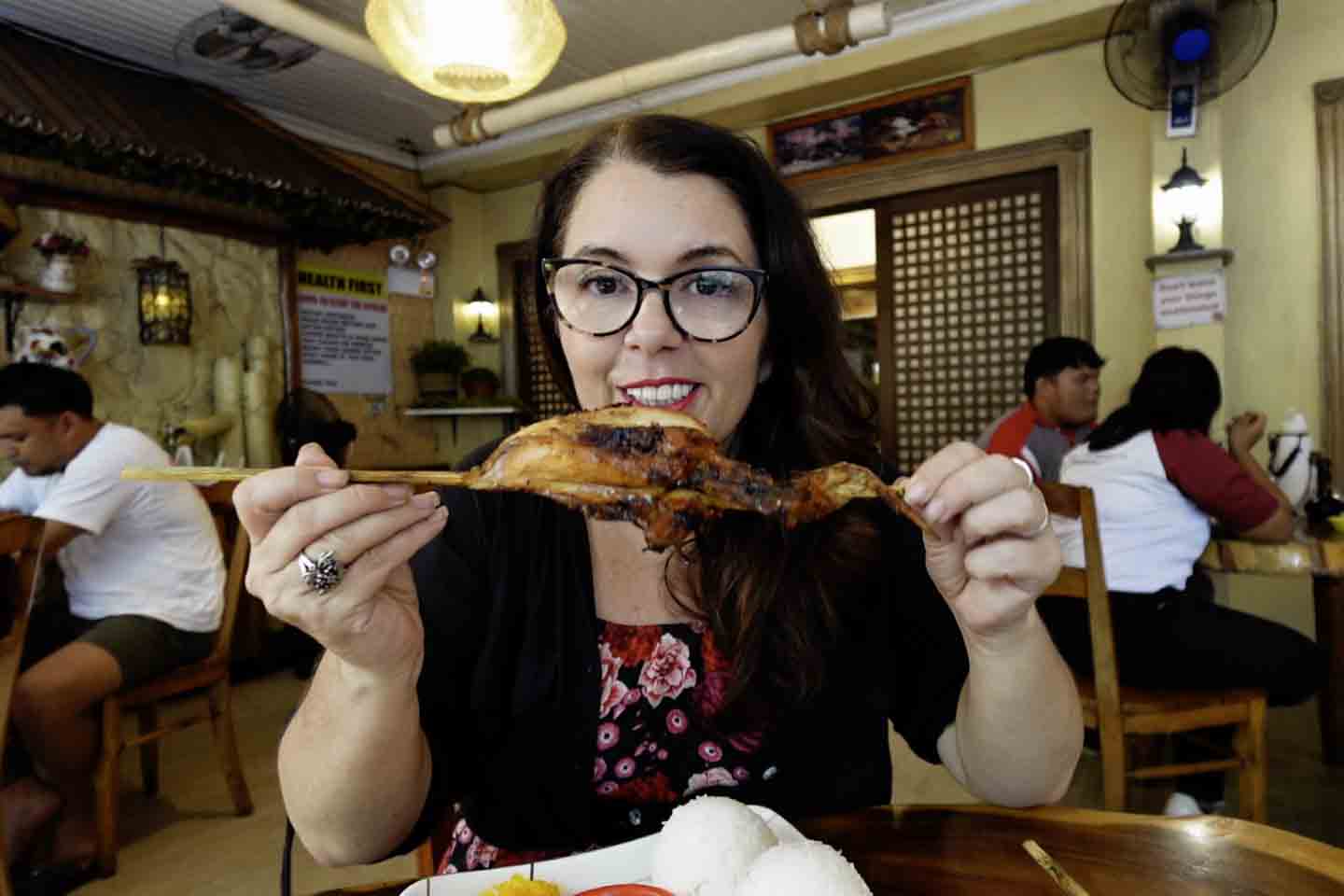
If you like chicken inato from Dumaguete you’re going to love this. Chicken inasal is marinated in vinegar lemongrass and annatto oil before grilling. The marinade gives the meat a tangy flavor and distinctive yellow-orange color.
The chicken stays juicy inside with slightly charred skin outside. Most restaurants serve it with garlic rice and a small dish of spiced vinegar.
This grilled chicken came to Palawan from the Visayas region where the island version often includes more lemongrass, reflecting local ingredients.
Where to Eat Chicken Inasal:
Noki’s Grill House
Rizal Avenue Extension El Nido open 11am to 10pm every day
Fruit in the Philippines
Chao Long | Vietnamese Rice Porridge
I love breakast in Vietnam and thought chao long was the a rice porridge but was so surprised to see it is not!
Unlike traditional Vietnamese cháo (rice porridge), the Palawan version is a noodle soup that reflects how Vietnamese migrants adapted their cuisine using available ingredients.
Chao long is a rice noodle soup with beef or pork, herbs and spices. Vietnamese refugees who settled in Puerto Princesa after the Vietnam War introduced this comfort food.
The broth tastes rich with star anise, ginger and onions. Most locals enjoy it for breakfast with a side of French bread for dipping. Vietnamese families opened the first Chao Long shops in the 1970s, and today their grandchildren continue running many popular spots around the city.
Where to Eat Chao Long:
Bona’s Chao Long House
23 Manalo Street Puerto Princesa City open 5am to 2pm daily
Crocodile Sisig | Sisig Buwaya
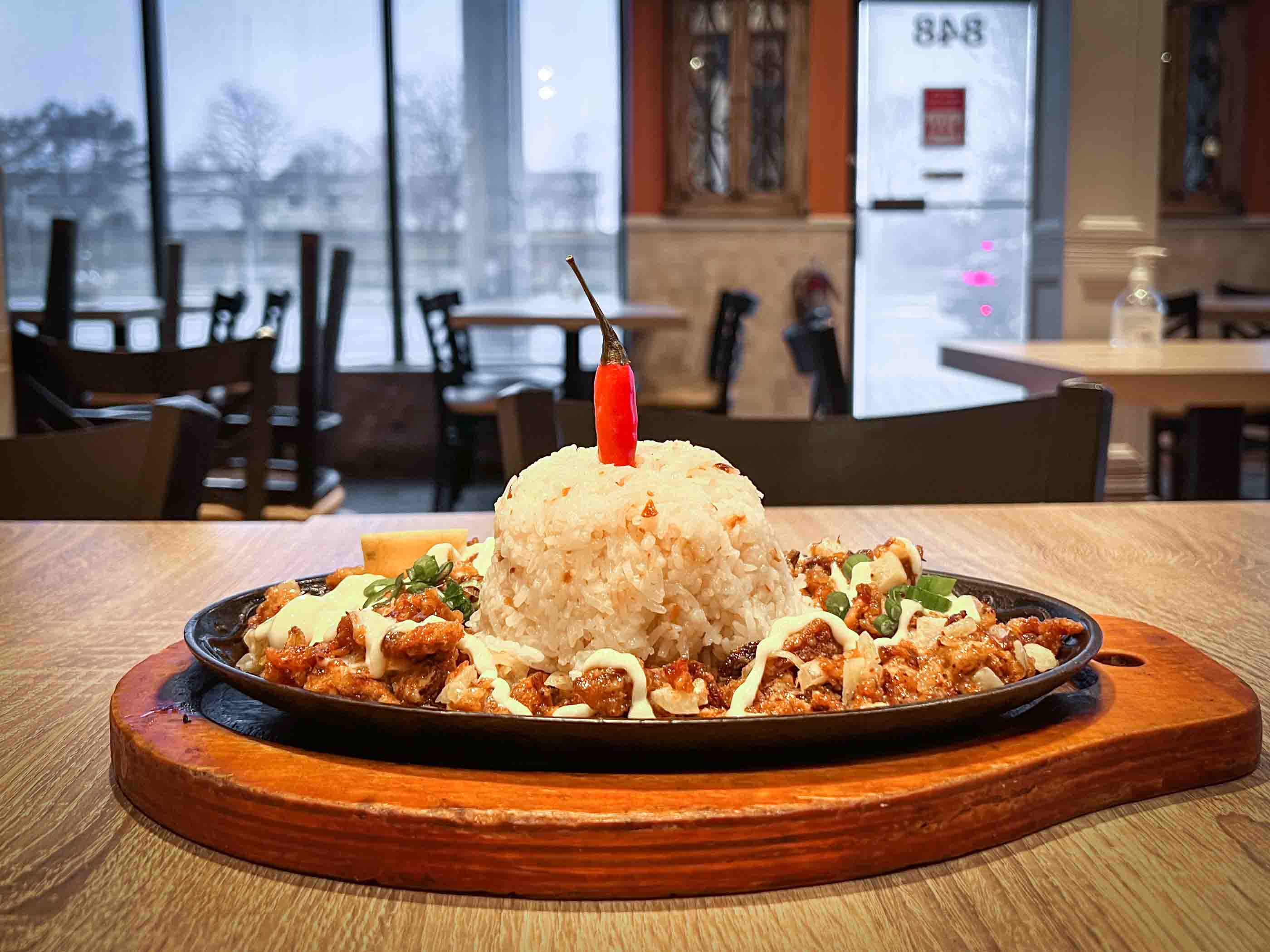
Crocodile sisig puts an exotic twist on the classic Filipino pork dish. Restaurants chop crocodile meat, cook it on a sizzling plate and top it with onions and local chili.
The meat tastes similar to chicken but with a slightly fishier undertone. To support local sustainable practices the meat comes from crocodile farms in Puerto Princesa.
Where to Eat Crocodile Sisig:
Ka Lui Restaurant
369 Rizal Avenue Puerto Princesa City open 11am to 2pm and 6pm to 10pm closed Sundays
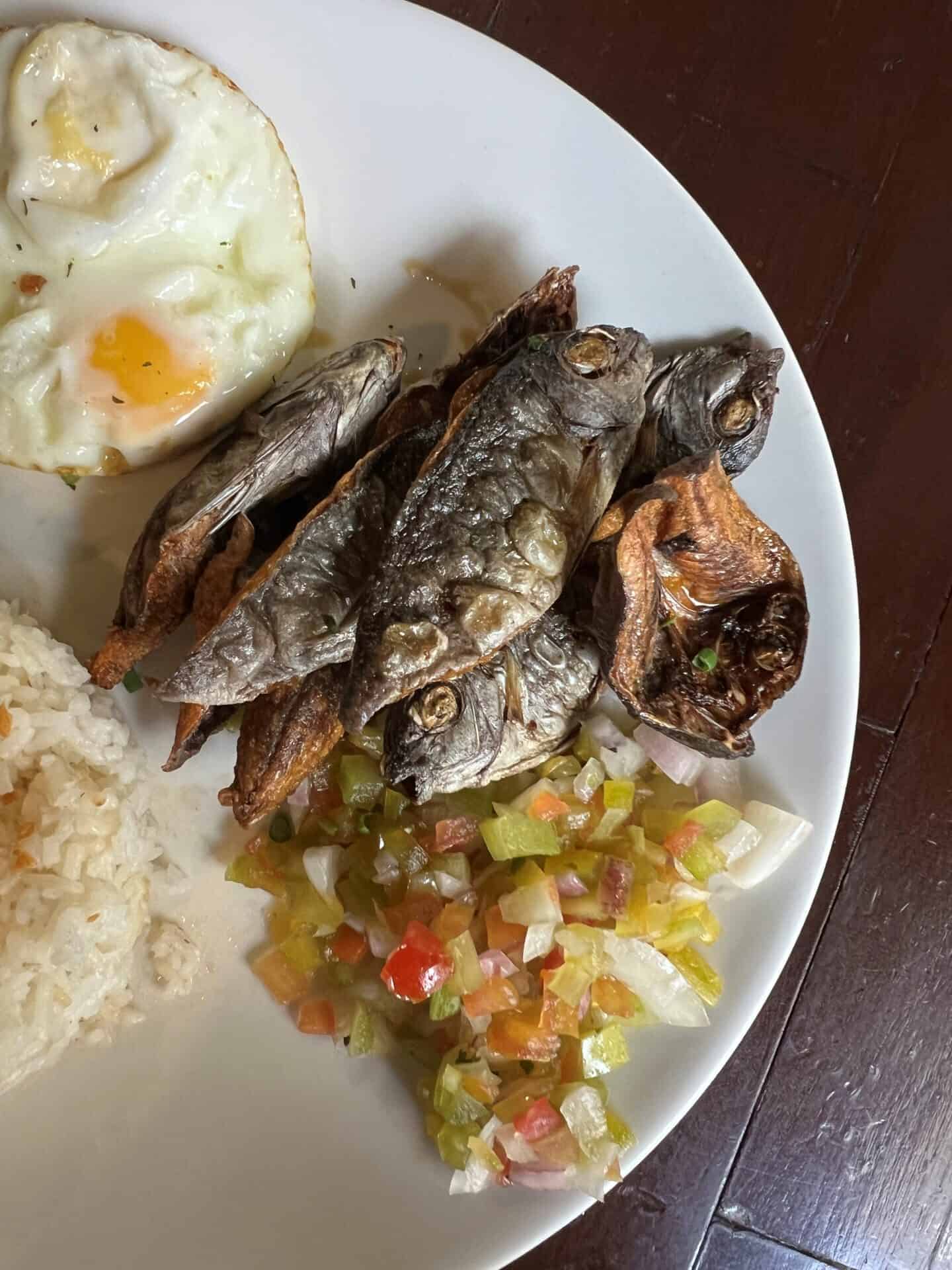
Danggit Lamayo | Marinated Rabbitfish
Danggit Lamayo uses rabbitfish marinated in garlic, vinegar and black pepper, then partially dried in the sun. This creates a unique flavor between fresh and dried fish.
The fish tastes tangy with hints of garlic. When fried it becomes crispy outside while staying tender inside, making a perfect breakfast with garlic rice and eggs.
Some people think it’s too salty but I really like it. It’s great for breakfast with some runny eggs. If you’re a fan you also must check out buwad on Bantayan Island.
Where to Buy Danggit Lamayo:
Coron Public Market
Don Pedro Street Coron open 5am to 7pm daily
Sibaltan Beach
Nido Soup | Bird’s Nest Soup
I am an adventurous eater but this Palawan dish made me pause. I still haven’t tried it.
Nido Soup uses nests made from the hardened saliva of swiftlet birds that build homes in Palawan’s limestone caves. The nests get cleaned thoroughly then simmered into a delicate broth.
The soup has a unique gelatinous texture with a mild sweet flavor. Many consider it a luxury item with supposed health benefits for skin and immunity. H
arvesting these nests remains a dangerous traditional profession, with climbers scaling cave walls using bamboo poles and ropes to collect them safely without harming the birds.
El Nido, which literally means “the nest,” got its name from these swiftlet bird homes found in surrounding limestone cliffs.
Where to Try Nido Soup:
Haim Chicken Inato
National Highway Junction 1 Puerto Princesa open 10am to 10pm
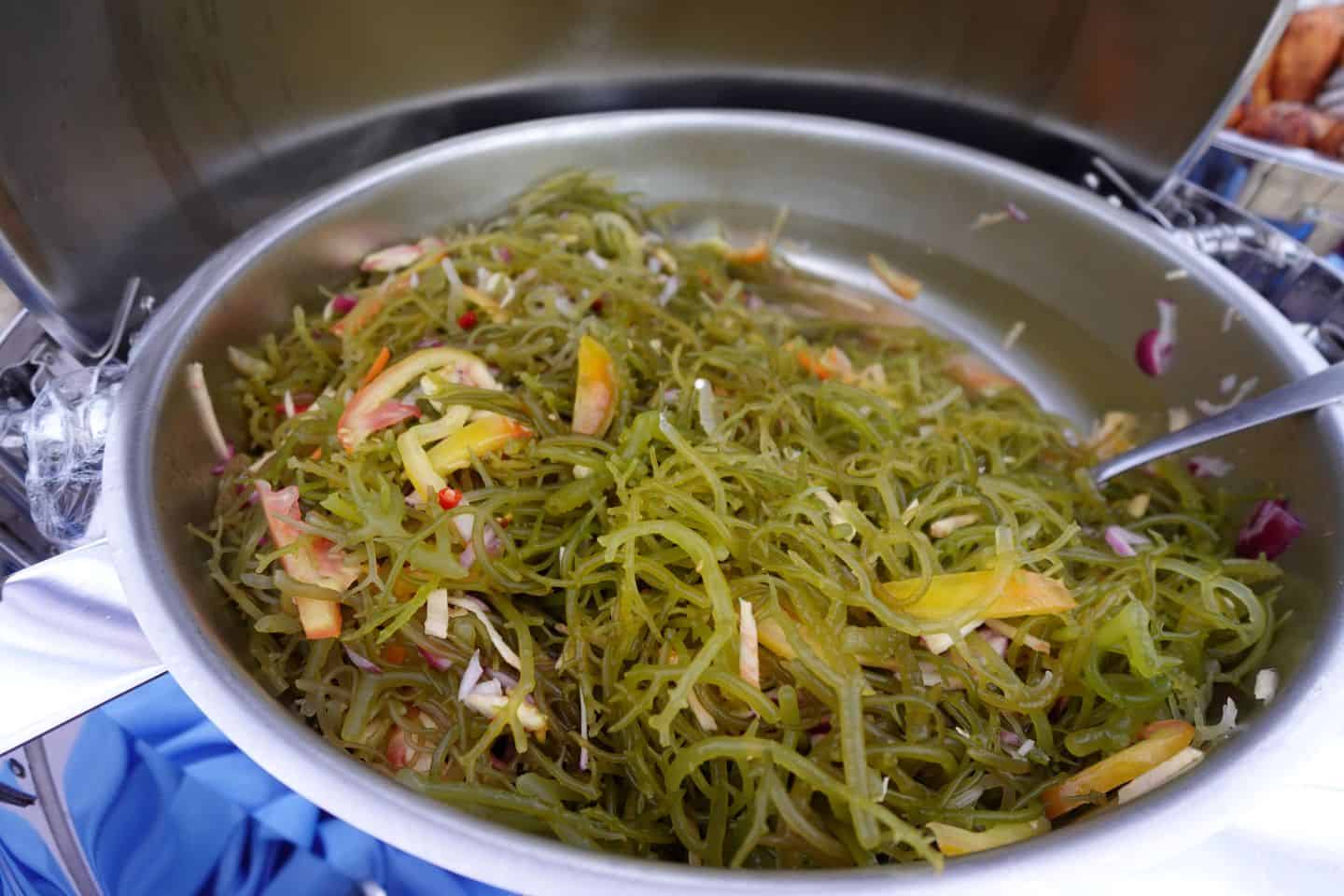
Ensaladang Lato | Seaweed Salad
Ensaladang tato combines sea grapes with tomatoes onions and a splash of vinegar or calamansi juice. The seaweed grows abundantly in Palawan’s clear waters.
Each seaweed grape pops pleasantly in your mouth releasing a mild salty flavor. The salad tastes refreshing especially with grilled seafood on hot days.
Coastal communities have harvested these sea grapes for generations. The dish represents Indigenous food traditions that rely on sustainable gathering from the ocean.
Where to Eat Ensaladang Lato:
Kinabuchs Grill and Bar
Rizal Avenue Puerto Princesa City open 10am to midnight daily
Best Drinks in the Philippines
Kibao | Local Snail Dish
Kibao uses freshwater snails cooked in coconut milk with ginger, lemongrass and local vegetables. Indigenous communities traditionally forage these snails from streams and rice paddies.
The sauce tastes rich and fragrant while the snails have a chewy texture similar to clams. People enjoy extracting the meat with small picks or toothpicks. I love it with a good Filipino beer as a snack.
The Tagbanua and Batak Indigenous peoples taught other Palawan residents how to identify safe snail varieties and proper cooking methods.
Where to Eat Kibao:
Nilda’s Ihaw Ihaw
San Pedro Street Puerto Princesa open Thursdays to Tuesdays 11am to 9pm
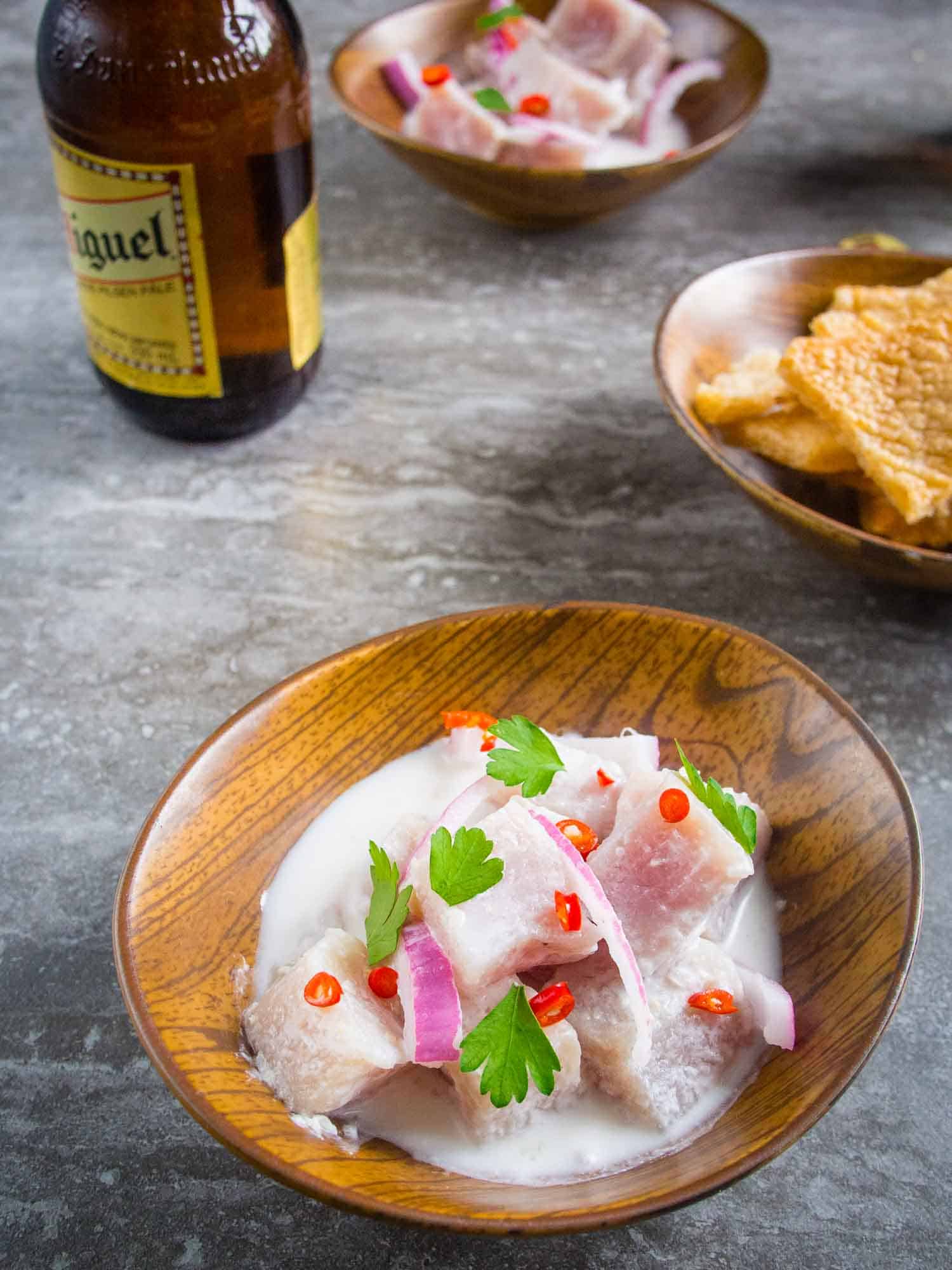
Kinilaw | Raw Fish Salad
Kinilaw uses fresh fish cubes “cooked” in vinegar or calamansi juice with ginger, onions and sometimes coconut milk. Fishermen often prepare this dish right on their boats with the freshest catch.
If you like Peruvian ceviche or Hawaiian poke, kinilaw should be at the top of your “must eat list.”
I love it so much I created this kinilaw recipe, which uses a mix or orange and lime juice to replace calamansi juice if you can’t find it.
The citrus acids firm up the fish giving it a texture between raw and cooked. The flavor balances tangy, sharp and creamy elements with the ocean’s freshness.
This dish predates Spanish colonization, showing how pre-Hispanic Filipinos developed food safety techniques without refrigeration.
Where to Eat Kinilaw:
Badjao Seafront Restaurant
Abueg Road Puerto Princesa City open 10am to 9pm daily
Best Siquijor Food
Mud Lobster | Alimango sa Putik
Mud lobster comes from Palawan’s mangrove forests where these crustaceans build tall mud mounds. Locals usually grill them with butter or cook them in coconut milk with chili.
These crustaceans have sweeter meat than regular lobsters. Catching these creatures requires special knowledge of the mangrove ecosystem and thankfully there is a big focus on sustainable harvesting practices ensure they remain plentiful in protected areas.
Where to Eat Mud Lobster:
Jambalaya Seafood Restaurant
Abueg Street Puerto Princesa City open 11am to 10pm Tuesday through Sunday

Hopia | Bean-filled Pastry
Hopia are flaky pastry filled with sweet mung bean paste. Chinese immigrants brought this pastry to the Philippines centuries ago.
Today Filipino bakers adapted the original pastry using local ingredients, creating today’s popular versions like include ube purple yam or savory pork fillings.
Most bakeries in Puerto Princesa make fresh hopia daily. It is very common for locals to bring boxes as gifts when visiting friends or family on other islands.
Where to Buy Hopia:
Baker’s Hill
National Highway Santa Monica Puerto Princesa open 7am to 7pm daily
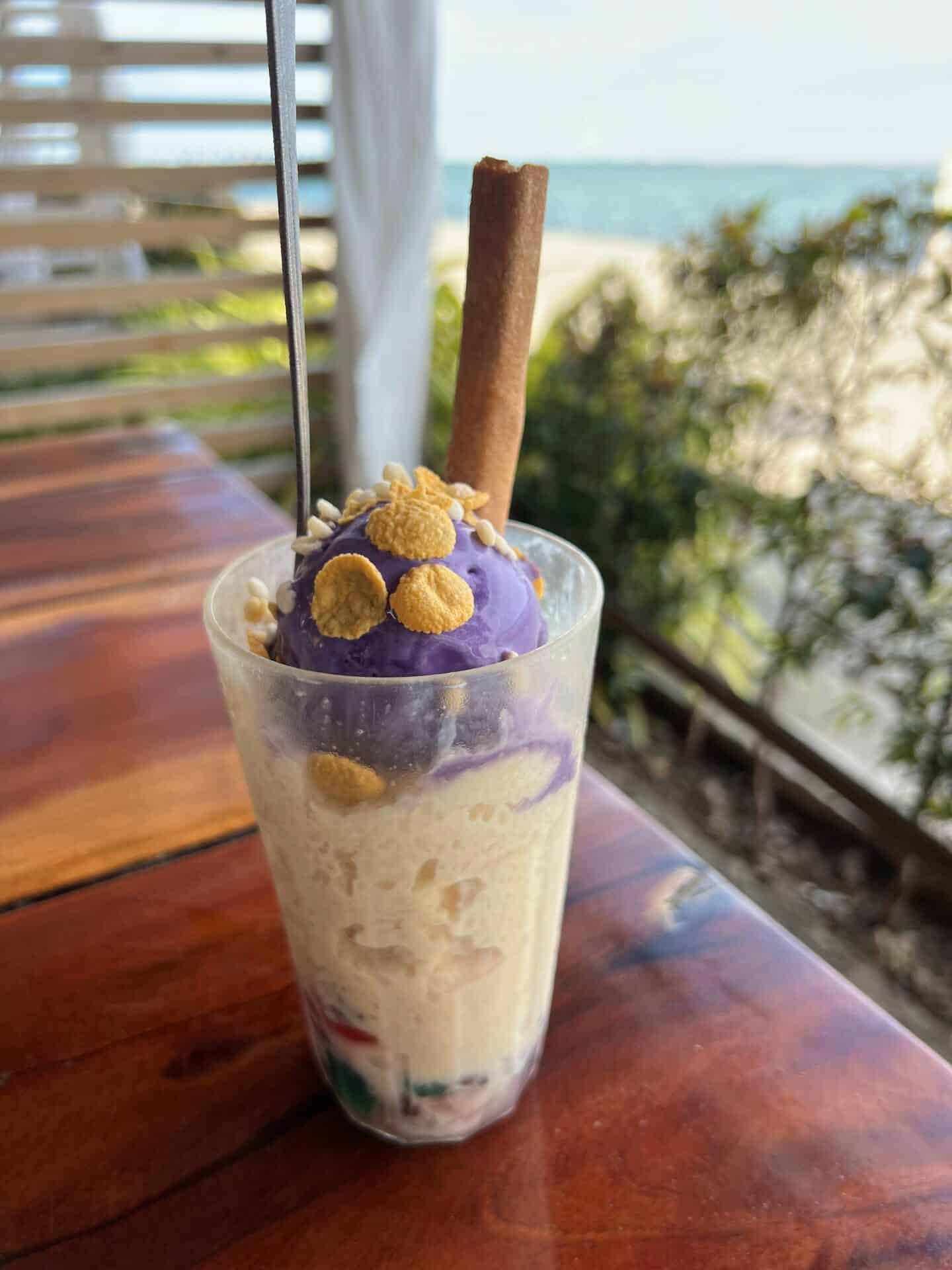
Halo-Halo | Mixed Shaved Ice
The most iconic dessert in the Philippines. Halo-Halo combines shaved ice, sweetened milk, fruits, jellies, beans and purple yam ice cream in a tall glass. The name means “mix mix,” reflecting how you should stir everything together before eating.
I learned from many YouTube comments that Filipinos are quite vocal about either mixing everything together right away, or allowing it to mix on the spoon.
Apparently I didn’t mix it correctly in Manila so afterwards I made sure to mix thoroughly to avoid the local wrath!
The dessert evolved from Japanese shaved ice treats introduced during the early 20th century. Filipinos added local ingredients, creating today’s colorful version.
Where to Eat Halo-Halo:
Chowking Palawan
National Highway San Pedro Puerto Princesa open 10am to 9pm daily
Breakfast in Makati’s Poblacion Neighborhood
Lechon Kawali | Crispy Pork Belly
If you love pork the Philippines is one of the best places to eat it. I would say it’s tied for best with Ecuador and they have similar methods for cooking.
Lechon kawali is pork belly boiled with spices then deep fried until the skin turns crackling crisp. The contrasting textures make this dish incredibly popular throughout the Philippines.
Most people dip pieces in spiced vinegar or liver sauce. Spanish colonizers introduced pork dishes to the Philippines, and Filipinos adapted them creating variations like this, which don’t require roasting a whole pig..
Where to Eat Lechon Kawali:
Noki’s Grill
Rizal Avenue El Nido open 11am to 10pm daily
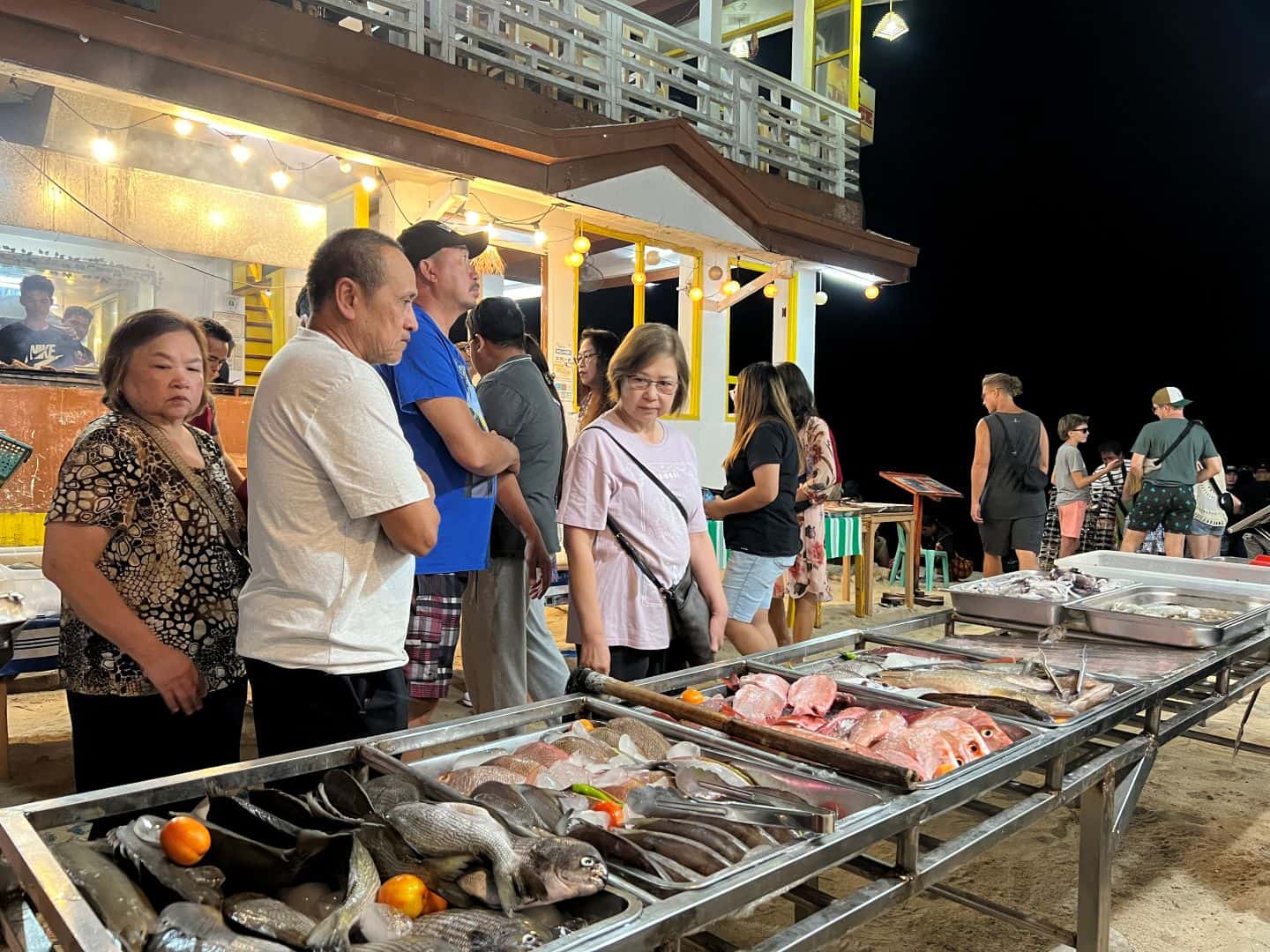
Fresh Seafood | Isda at Hipon
Fresh seafood in Palawan means fish, prawns, crabs and shellfish often caught the same morning you eat them. Locals prefer simple preparations that highlight natural flavors.
Many restaurants have displays outside and will let you choose your seafood and how you want it cooked. And you can also buy it from street vendors who grill it to order.
Where to Eat Seafood:
Badjao Seafront Restaurant
Abueg Road Puerto Princesa City open 10am to 9pm daily
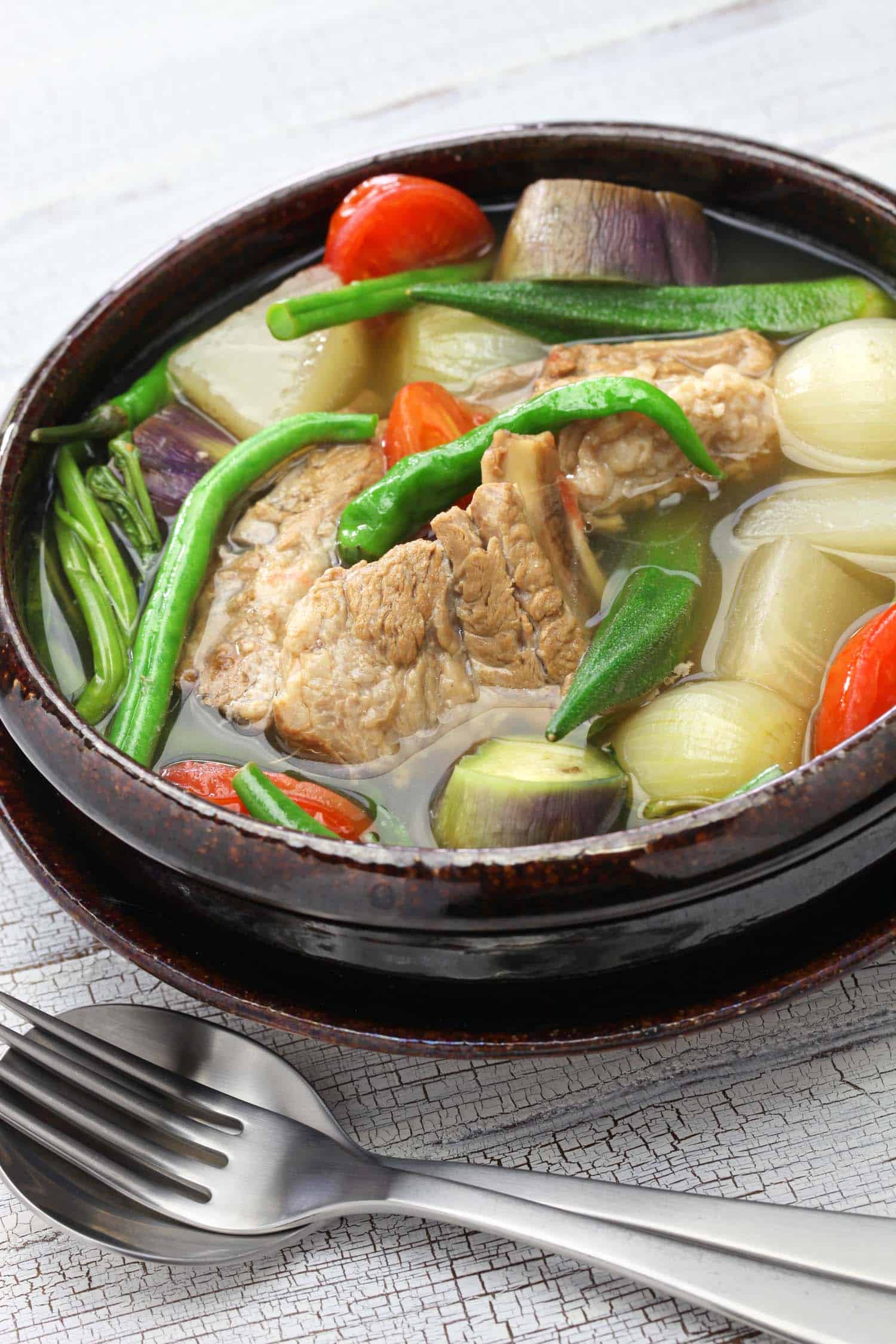
Sinigang | Sour Soup
Sinigang combines meat or seafood, vegetables and a sour broth usually made from tamarind. The sourness refreshes even on hot days in Palawan.
It looks simply but it balances sour, tangy and savory flavors in one bowl. Most versions include tomatoes, water spinach and radish alongside the meat.
I loved sour fish soup in Moalboal and so I knew this would be a winner.
It’s simple, refreshing and healthy. It also represents Filipino cooking from before any colonial influences. The sour flavor helped preserve food in tropical climates before refrigeration.
Where to Eat Sinigang:
Haim Chicken Inato
National Highway Junction Puerto Princesa open 10am to 10pm daily
Oslob Cebu
Tamilok | Woodworm
If you’re not into eating worms, don’t worry! Tamilok isn’t actually a worm but a mollusk like a clam, except it lives in mangroves.
It has a soft chewy texture similar to oysters with a mild seafood flavor. Locals harvest these creatures then serve them raw with vinegar, onions and chili.
And if you’re looking for one dish to truly represent the food of Palawan this is it. Indigenous communities discovered these edible mollusks centuries ago, and it represents the local culture and the resourcefulness of island communities.
Where to Try Tamilok:
Kinabuchs Grill and Bar
Rizal Avenue Puerto Princesa City open 10am to midnight daily
Pin it: Palawan Food Guide