I’d heard Guanajuato this was the most beautiful city in Mexico but I think this is unfair. The city isn’t just pretty. It is one of the most interesting cities and Guanajuato food surprised me.
I spent a week walking through the streets and immediately it reminded me of Europe. The narrow alleys and cobblestone streets brought back memories of Italy.
But at the same time it felt like South America, similar to colonial cities in Colombia and neighborhoods in Buenos Aires.
It looks nothing like the rest of Mexico.
And the food in Guanajuato is unique. There were many dishes I recognized by name, but they had their own twist.
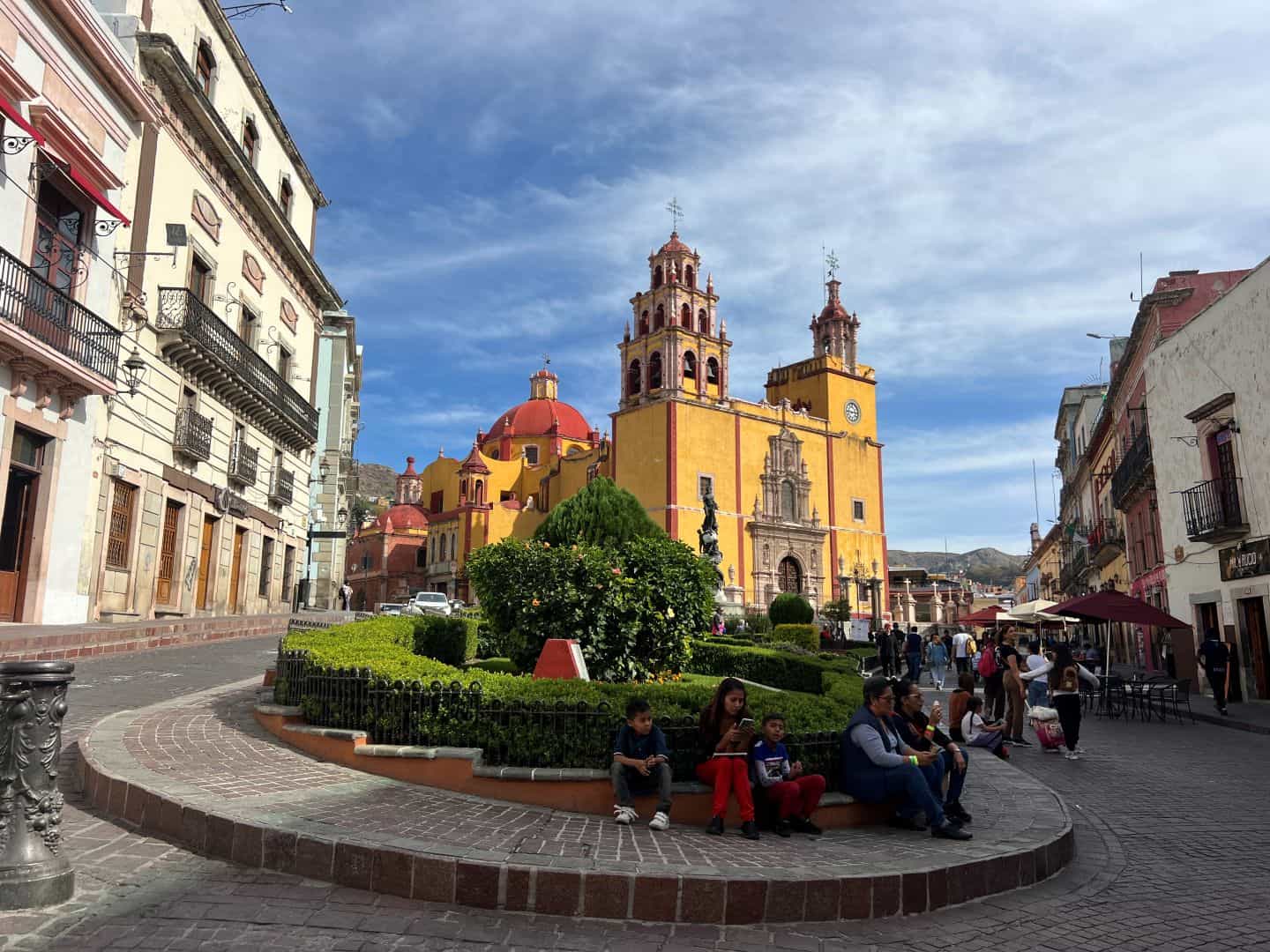
Guanajuato is unique because of its history and geography. In the 18th century it was one of the most important silver-mining centers.
It is also in the Bajío region of central Mexico, a fertile highland plateau that includes Guanajuato along with parts of Michoacán, Jalisco and Querétaro.
The Caracol
Guanajuato food reflects mining towns, convent kitchens and rural farm food. Many dishes are simple, built around chiles, pork, corn and herbs that grow well in the dry highland climate.
So food here can be familiar but different. I loved talking to women in the market as they are proud of their way to cook things simply, focusing on flavors.
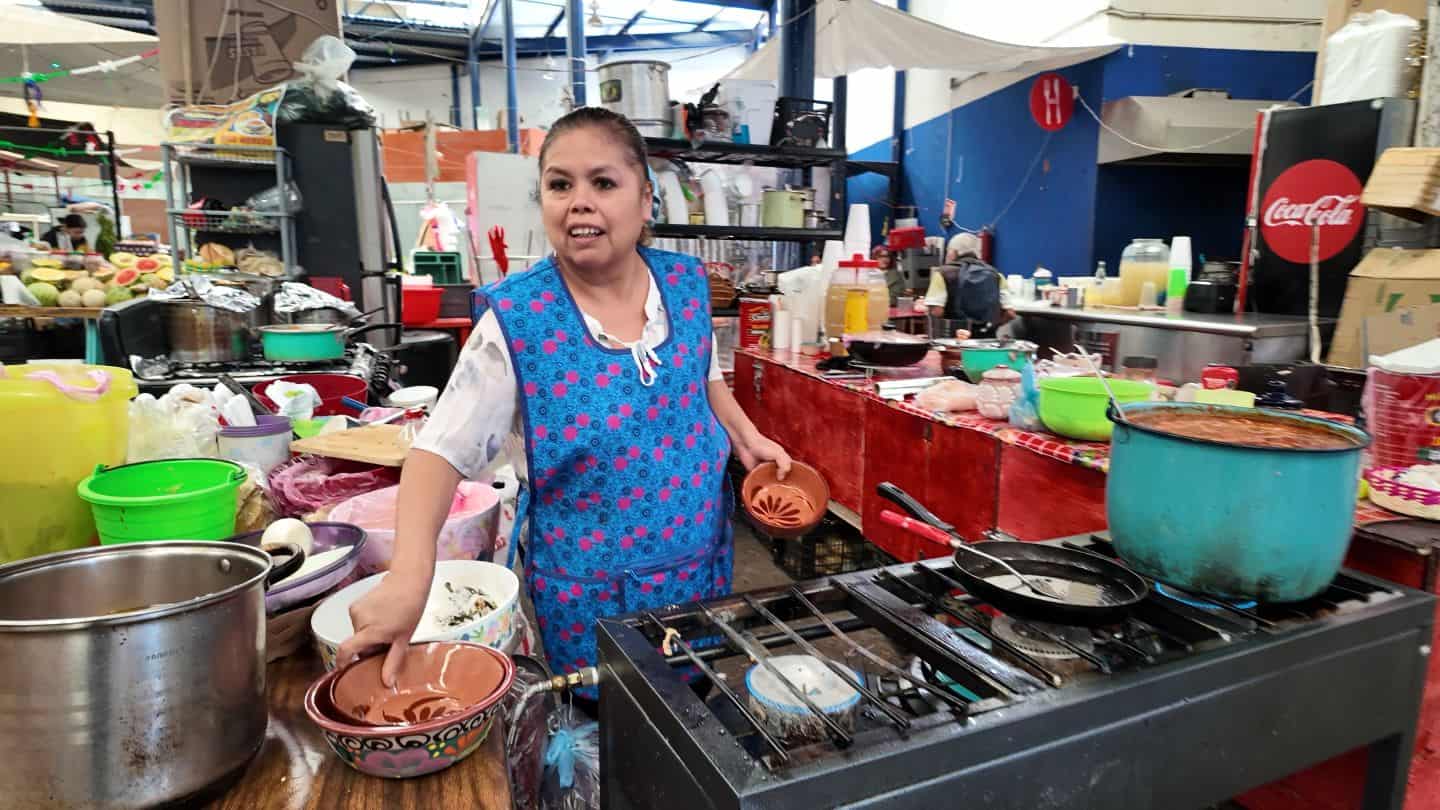
Guanajuato Culinary Influences
Food in Guanajuato reflects hard work and clever cooking. Spanish colonizers arrived with wheat, pork and dairy. Indigenous communities already knew corn, chile and beans. Mining families needed filling meals that traveled well underground.
The result? Hearty dishes built on corn tortillas and mild chiles.
The Bajío style feels simple and homey. You’ll find the same ingredients repeat across multiple dishes. Even modern Guanajuato restaurants keep these traditional Mexican dishes on their menus.
A Catholic country, religion played a role too. Convents produced delicate Mexican sweets using piloncillo (unrefined brown sugar) and butter. Today street vendors continue to sell these treats near local markets.
Must Try Guanajuato Food
While you can find lots of Mexican food from every region and international food here, I prefer the traditional. It’s simple, hearty and delicous.
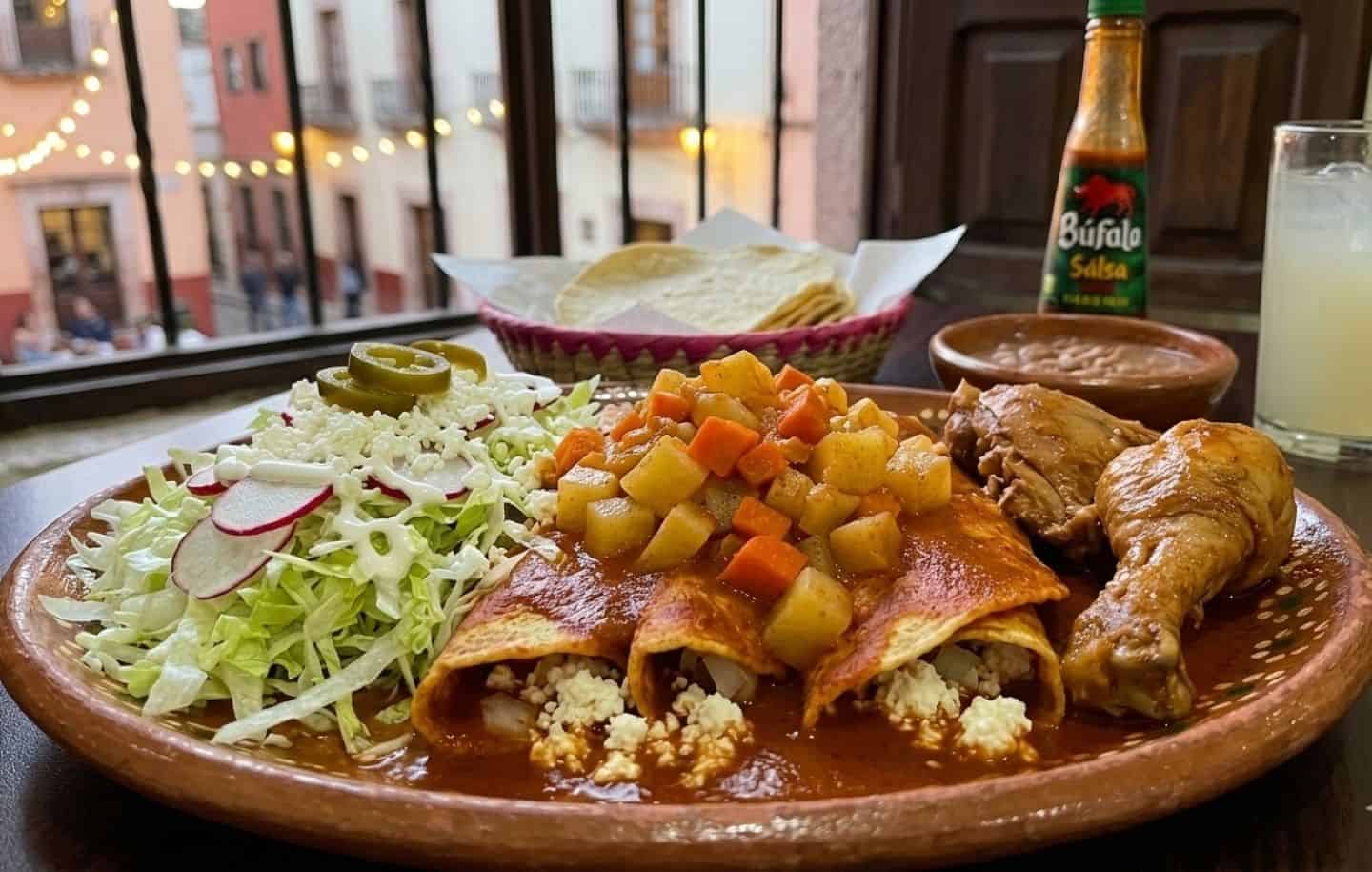
Enchiladas Mineras
Perhaps the most famous Guanajuato dish. You can find it in most restaurants and markets as a quick lunch plate. But, I have found that the best eateries are easy to spot – they make their own spicy salsa.
Tortillas dipped in guajillo chile sauce are lightly fried and topped with cheese, lettuce and cream. The plate usually includes potatoes and carrots cooked in the same sauce.
It’s not spicy on its own. Nothing burns your mouth. But I urge you to try the house made salsa, first on its own just in case. I have been surprised a few times.
Miners needed portable calories underground. Wives packed these enchiladas because they held together and tasted good cold.
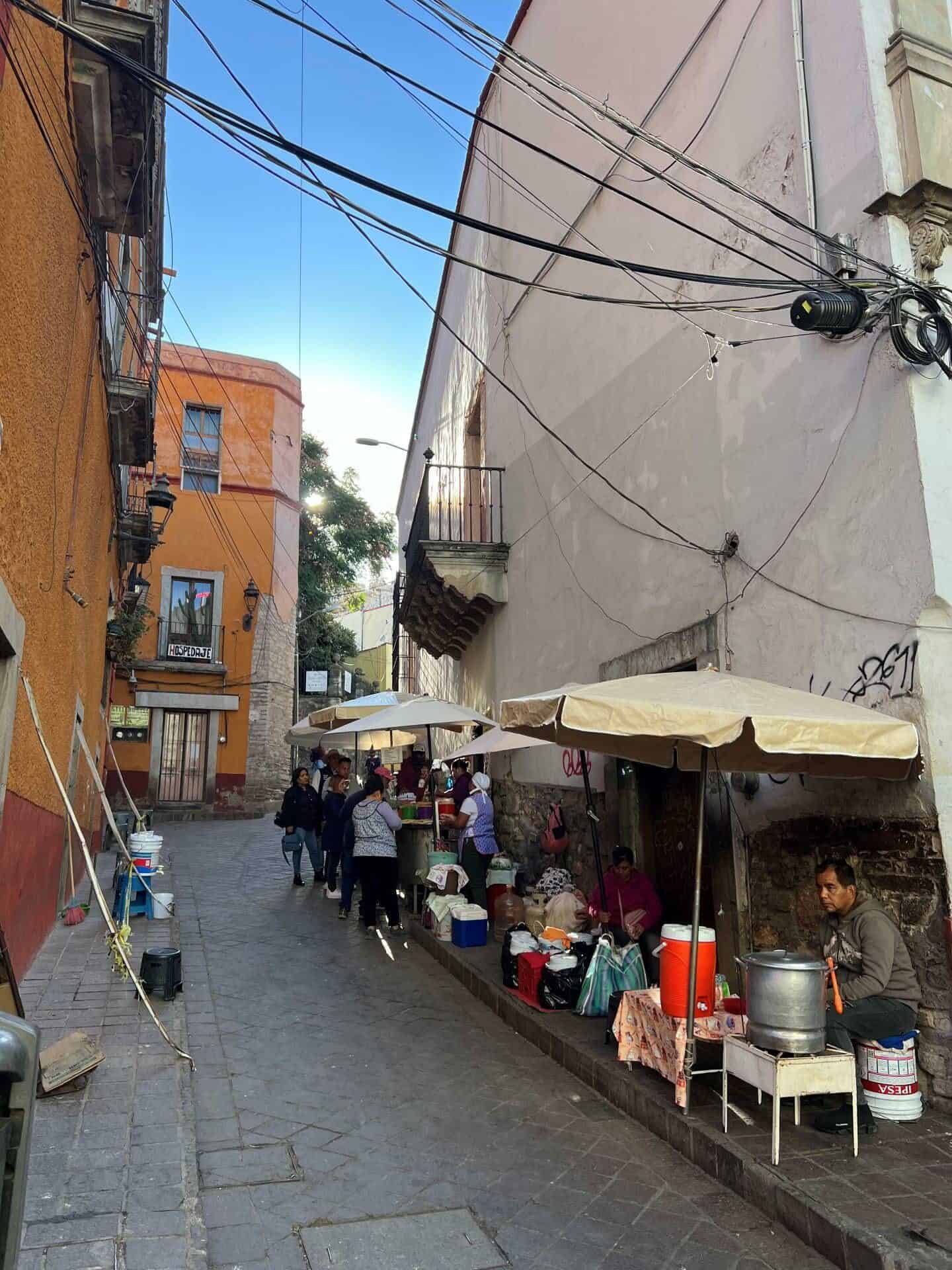
Tamales Bajío Style
Tamales exist all over Mexico but the Bajío version is worth trying out specifically. Here they are most commonly filled with mole or a red chile sauce and wrapped tightly in dried corn husks before steaming.
The masa tends to be softer and more tender than versions you find in other regions and the mole filling in particular carries that slightly sweet peanut and raisin.
Markets sell them from large pots in the morning and they go fast. Vendors will often have two or three fillings on offer but the mole tamale is the one to try first.
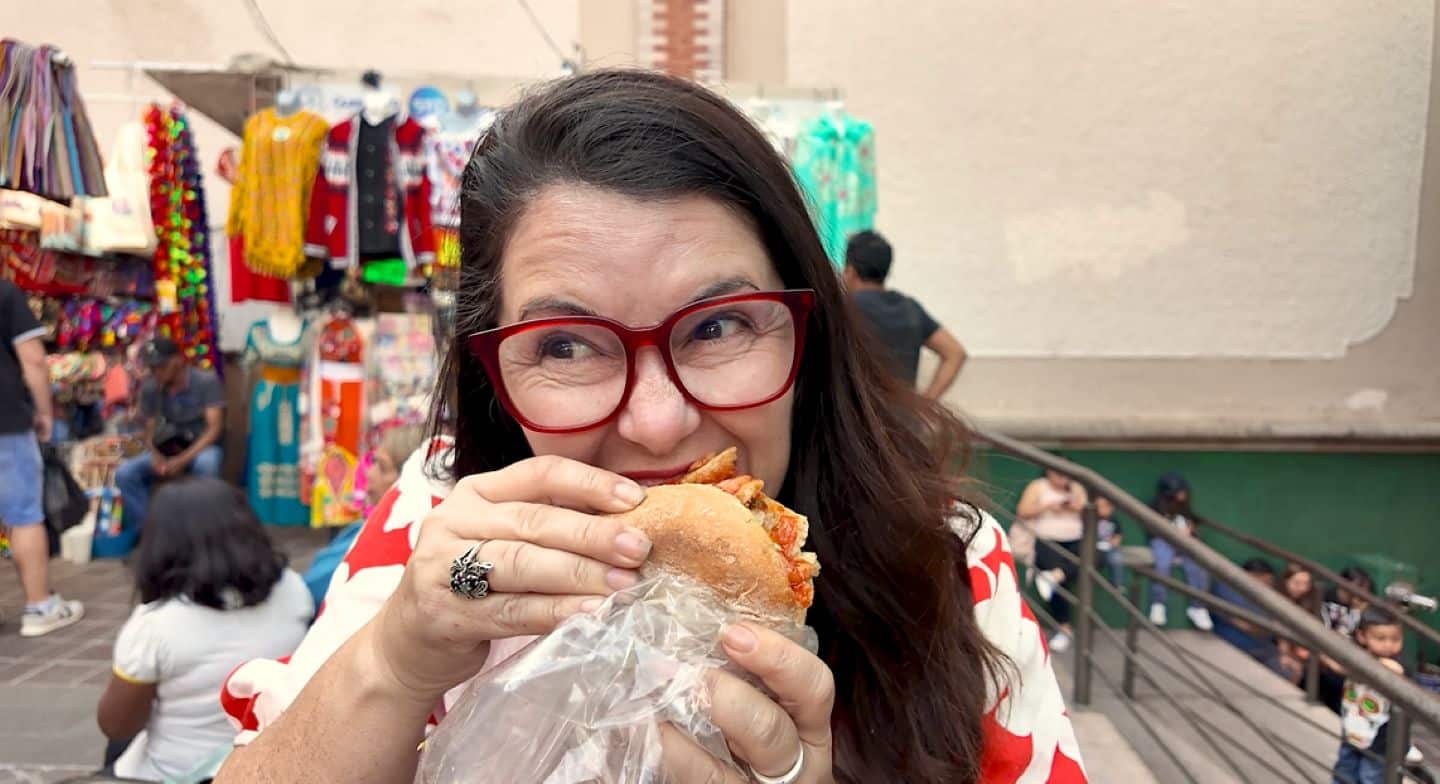
Guacamaya
The guacamaya is Guanajuato’s most iconic street food and it was born almost by accident.
The story goes that in the early 1950s in the city of León, a chicharrón street vendor made a sandwich for two hungry late-night customers using whatever he had on hand.
One of the customers became so loud and animated that his friend told him he looked like a guacamaya, the Spanish word for macaw. The name stuck.
It is a crusty bolillo roll stuffed with crunchy chicharrón pork rinds, creamy avocado, a fiery chile de árbol salsa, a squeeze of lime and a pinch of salt.
The chicharrón here isn’t the dense packaged kind you might be used to. Vendors break it fresh from enormous paper-thin sheets of crackling that shatter the moment you bite down.
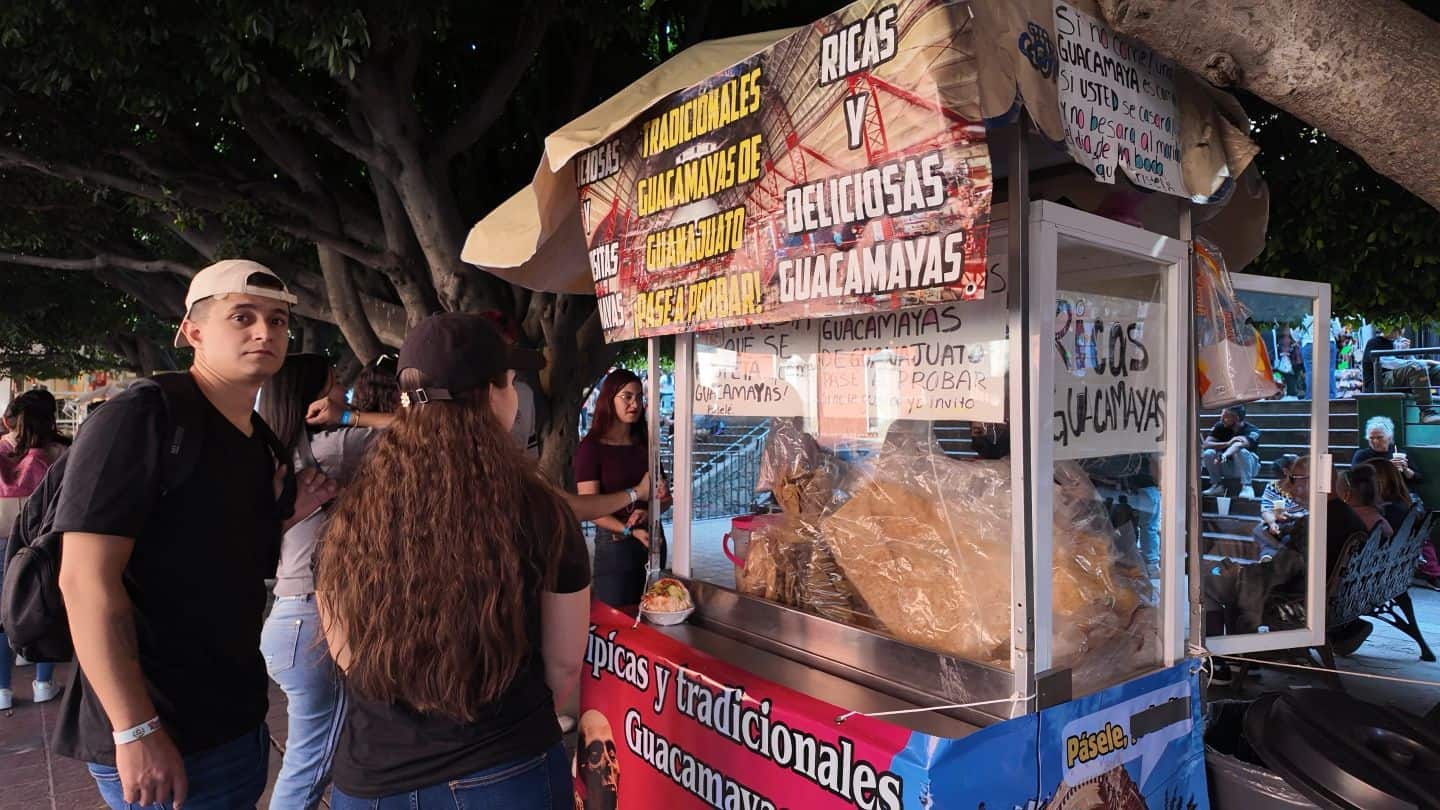
You can get this sandwich all over the city, it’s a simple dish so it’s going to be great everywhere.
I made a mistake of following the social media trend to go somewhere in front of Mercado Hidalgo, the city’s biggest market.
But as I waited I realized it was mostly tourists who probably also heard it was the best. It was great but also had that premium tourist pricing.
So I would say not to go out of your way to eat this humble sandwich. Instead find a local spot as it’s common all over the city.
Menudo
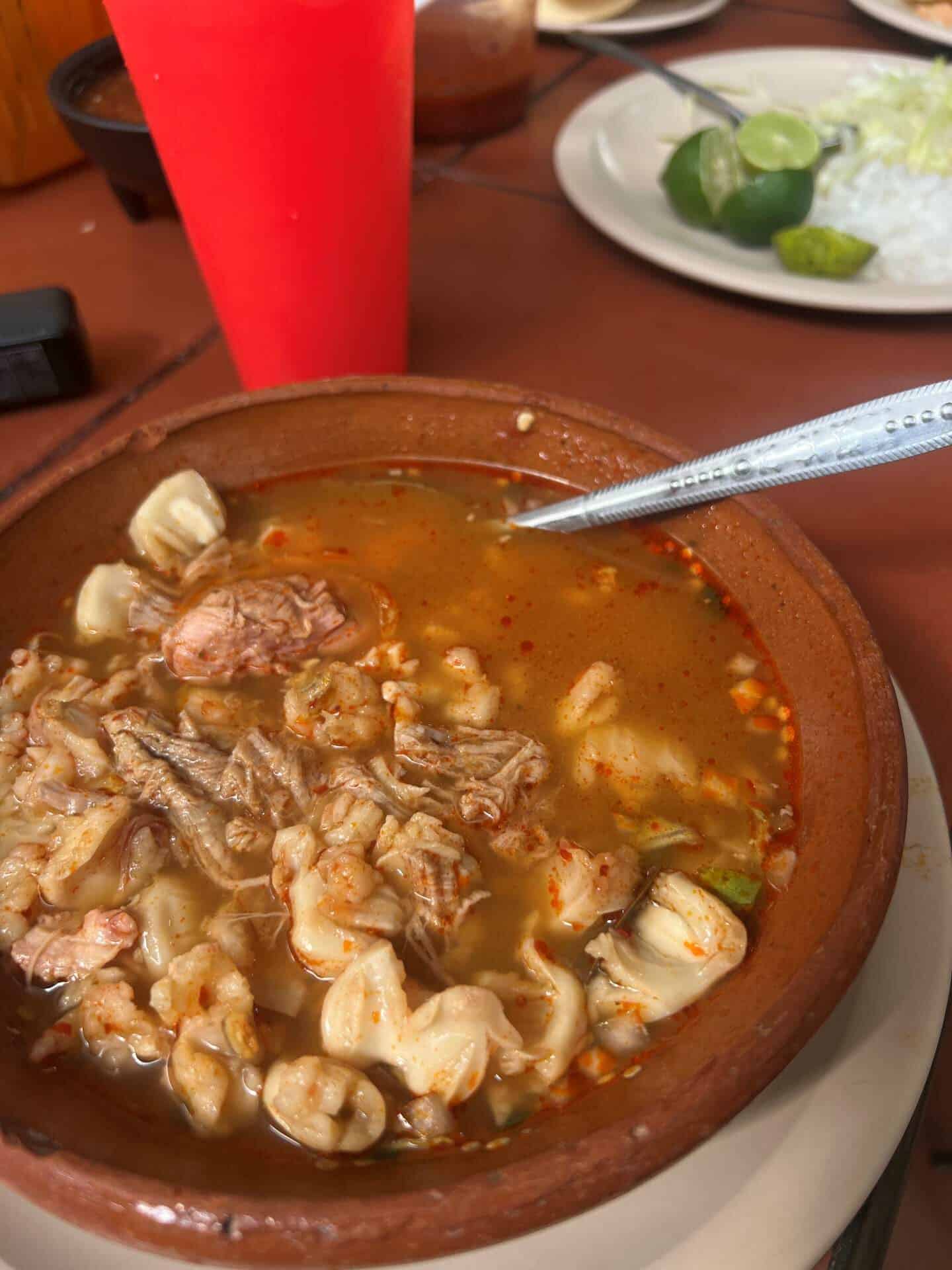
Menudo is not a unique Guanajuato food but it is common on weekends as it’s considered a hangover cure. Although I wasn’t hung over it was my first meal in Guanajuato and a lesson in Bajio food.
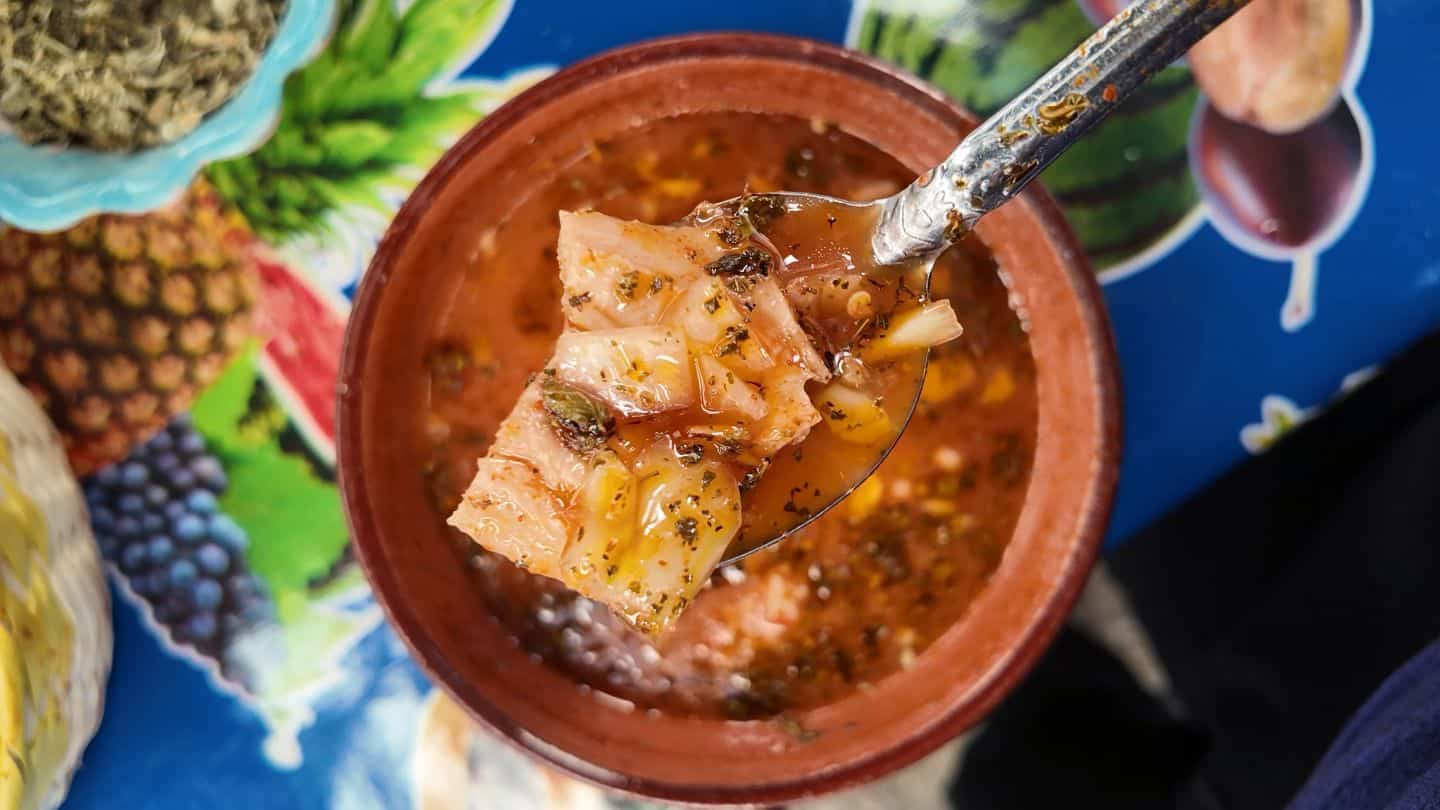
Menudo is one of Mexico’s most beloved weekend traditions. It is a slow-cooked beef tripe soup with a deep red chile broth that you’ll find in fondas and markets.
All over Mexico it has variations and in the Bajio region it is served simply with fresh chopped onion, dried oregano, a squeeze of lime and warm tortillas on the side.
I expected hominy as well. But that’s why learning Spanish is so important as the woman who owned the markets tall shared why it wasn’t in her bowl.
Historically hominy simply wasn’t readily available to the ranchers and farmers. That tradition holds today, and locals will tell you it’s better for it.
Without hominy, nothing distracts from what really matters: the quality of the broth and the tenderness of the tripe. When prepared properly, the tripe is deeply beefy and silky soft, never fatty.
My Mexico Hospital Story
Nopal en Penca
A cactus paddle is scored and stuffed with a mixture of seasoned meat, chiles and tomatoes then folded shut and grilled directly over the flame until the outside chars and the inside steams.
The nopal softens as it cooks and takes on a mild, slightly tangy flavor that balances the richness of the filling.
It’s one of the clearest examples in Guanajuato of pre-Hispanic ingredients meeting Spanish influence. You’ll find it at weekend markets and at family gatherings where cooking over fire is still the preferred method.
Cecina
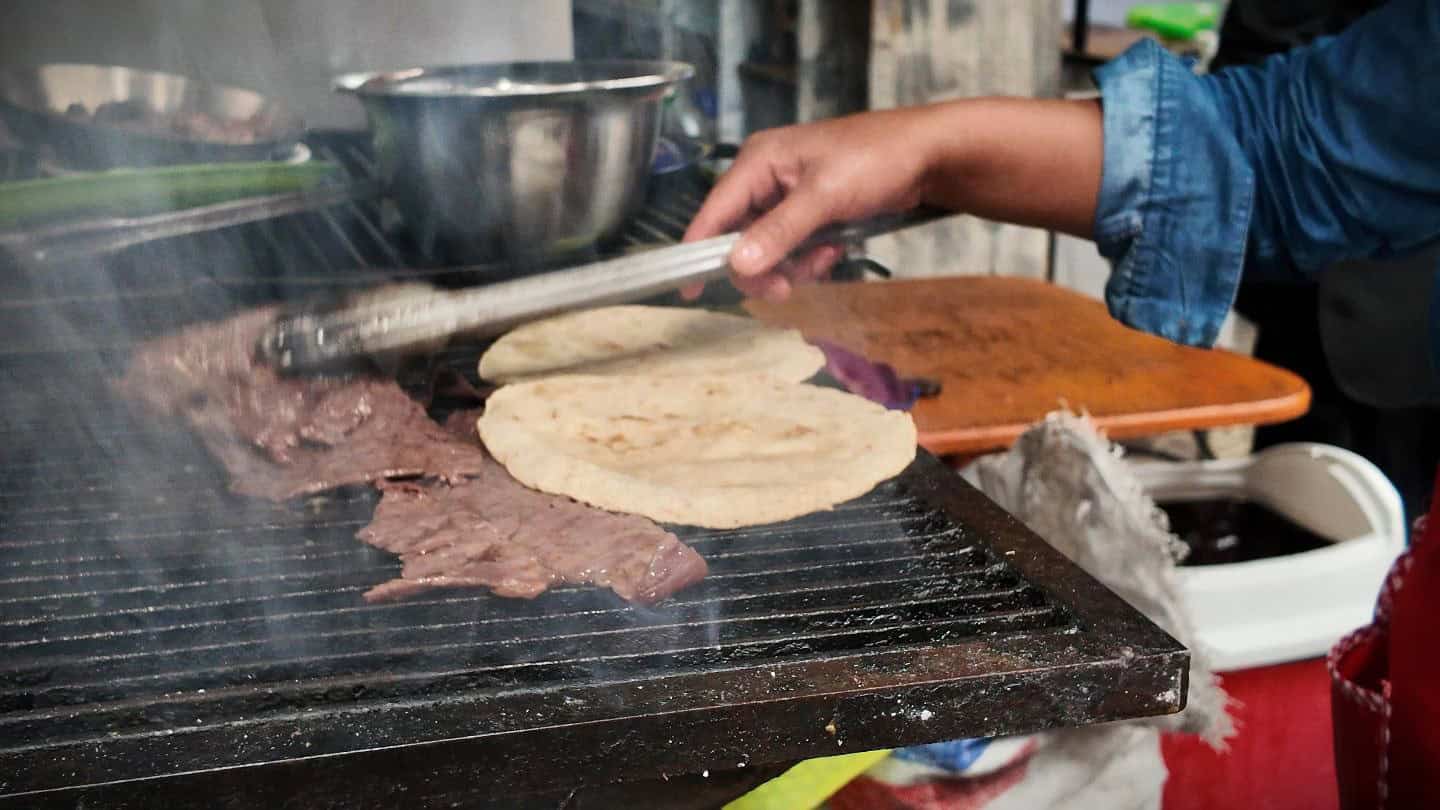
Cecina is salt-cured dried beef and it shows up throughout Guanajuato in markets, at butcher counters and on plates at small local restaurants.
I first tried it in Cholula and loved it. The meat is sliced thin, rubbed with salt and dried in the open air before being cooked on a comal or over charcoal.
What comes out is intensely savory with a slightly chewy bite and just enough char at the edges.
It reflects the ranching culture that runs deep through the Bajío. Families in the countryside needed ways to preserve meat without refrigeration and cecina was the practical answer.
Today it’s served simply with warm tortillas, fresh salsa and sliced avocado.
Mazamitla
Fiambre
The original charcuterie board? This chilled platter is one of my favourite Mexican snacks to share.
It mixes cooked meats, cheeses, pickled vegetables and fresh fruit. Not surprisingly The dish reflects Spanish colonial influence mixed with local adaptation. You see it at special gatherings across the Bajío region.
It is different everywhere you go but the idea stays the same, it’s great if you want to snack rather than have a whole meal.
Pacholas
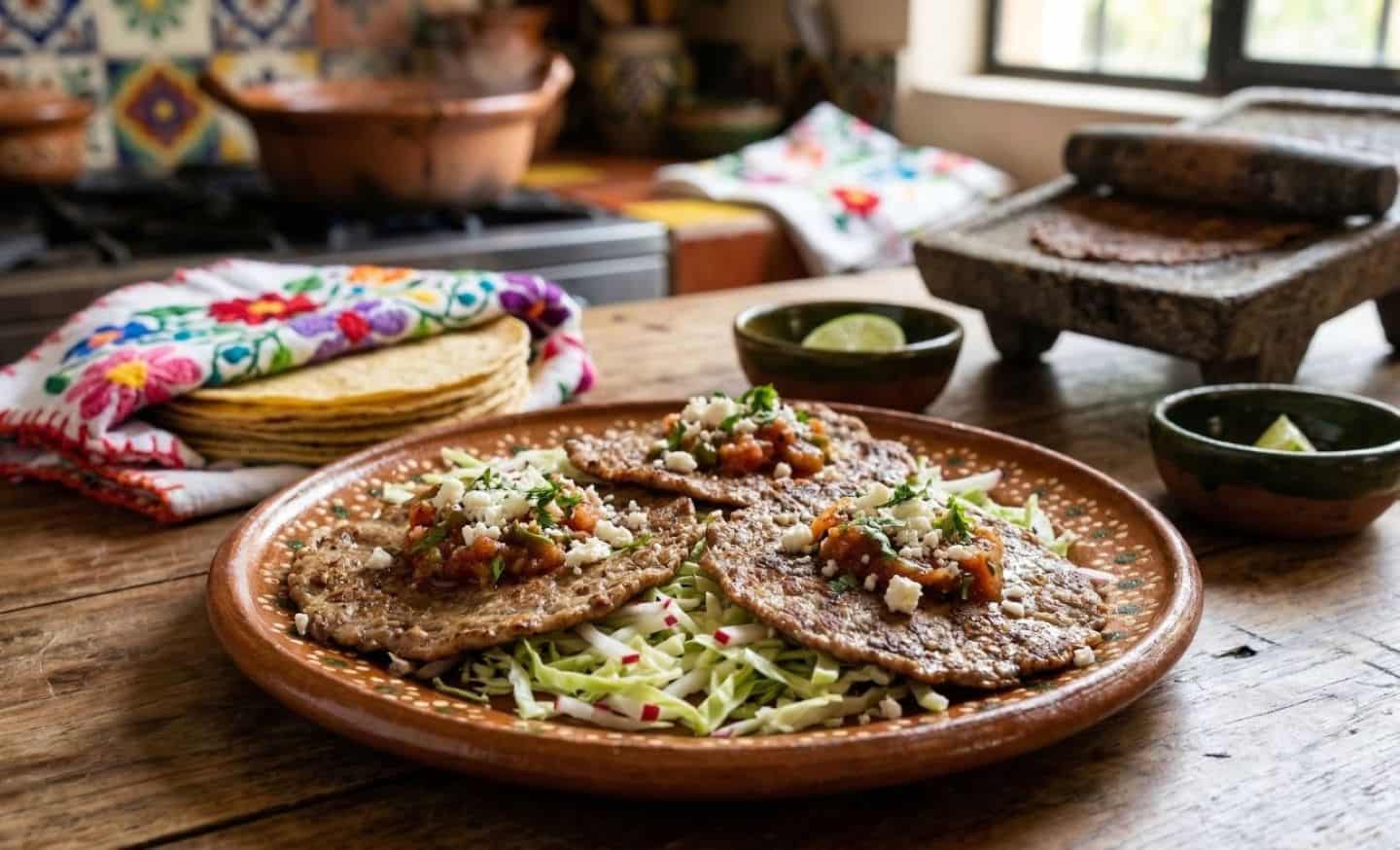
Pacholas are thin patties made from ground beef mixed with dried ancho chiles and spices. You may also taste cinnamon or oregano.
The mixture is traditionally ground on a metate and flattened using a tortilla press before frying. They are often served with potatoes in chile sauce and tortillas.
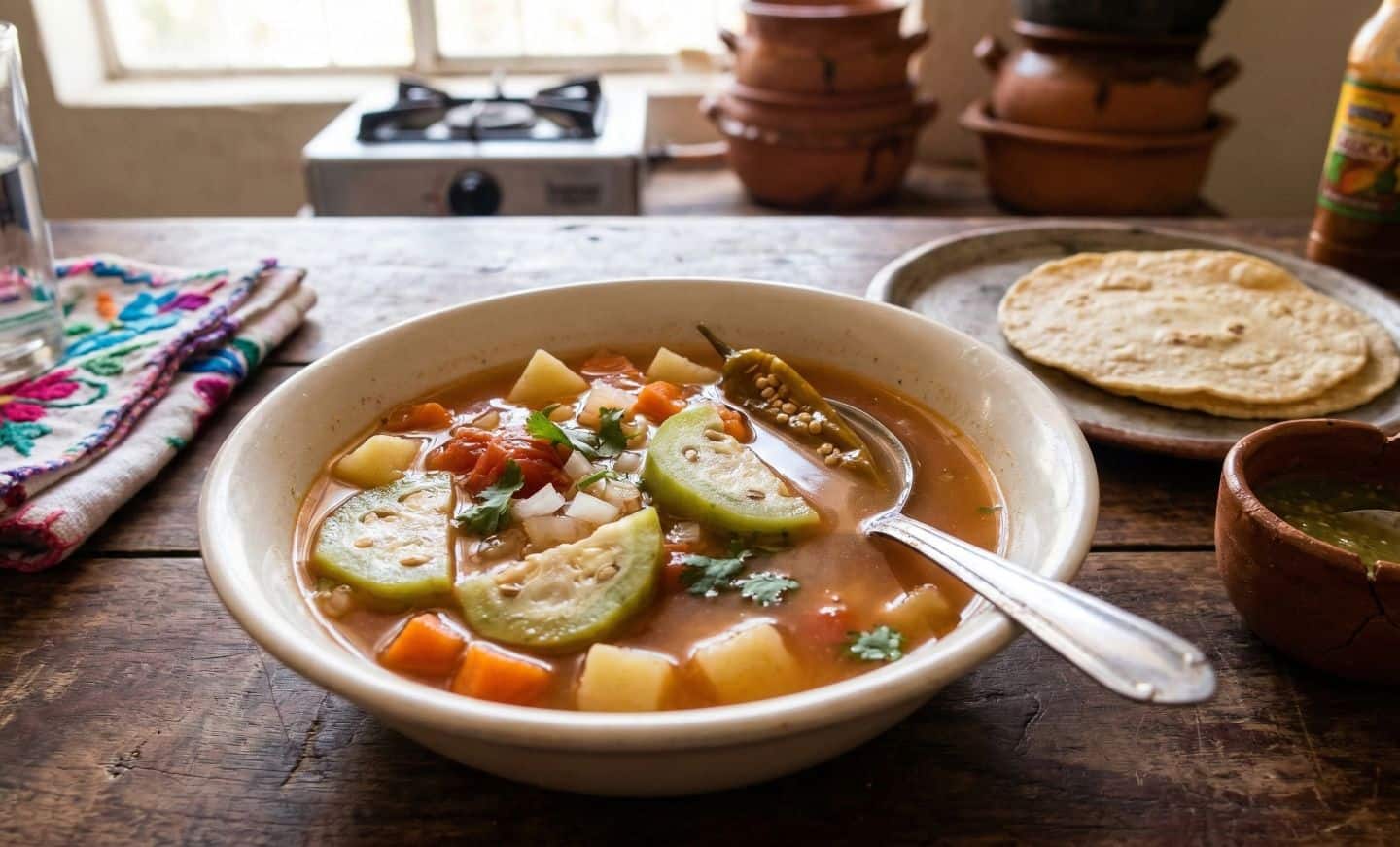
Caldo de Zorra
The name means fox soup. Nobody knows exactly why. The dish came from resourceful cooks making something filling from basic ingredients.
Miners needed something warm underground. This humble broth combines tomatoes, chiles, torn bread pieces and epazote. The bread soaks up liquid and thickens everything.
You still find caldo de zorra at small local spots. It rarely appears on tourist menus.
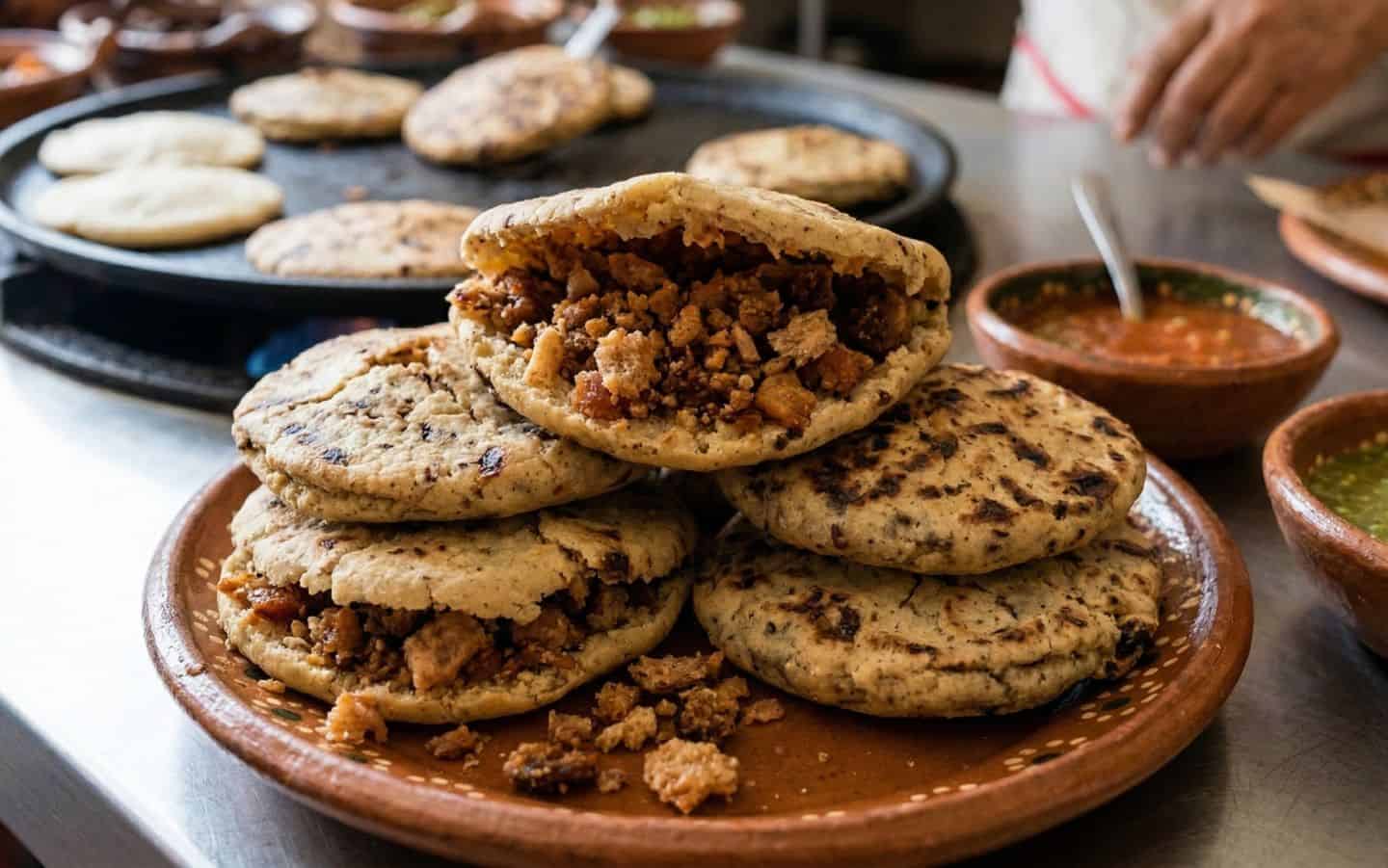
Gorditas de Migajas
These gorditas are filled with migajas, small crispy bits left from frying pork skin. Vendors often add salsa, cabbage or cheese.
The filling is savory, slightly fatty and often mixed with salsa. They are common in markets and street stalls across the state.
Gorditas de Nata
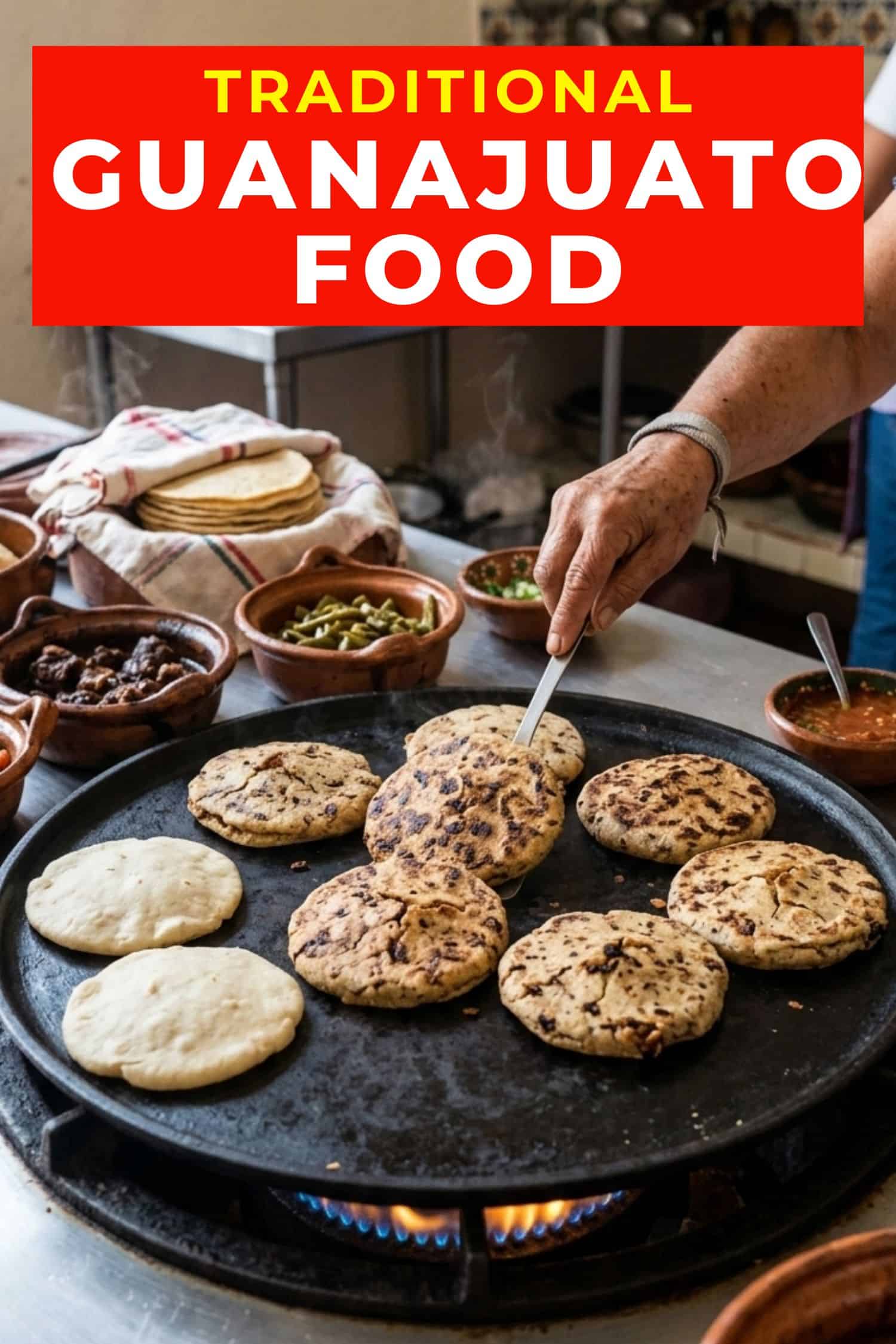
Onto a sweet gordita! Thick cream makes these griddle cakes special.
The batter includes nata, which gives the gorditas a gentle flavor. They cook until fluffy with slightly crispy edges.
This Bajío treat appears on street corners throughout the city. Vendors make them fresh on griddles while you wait.
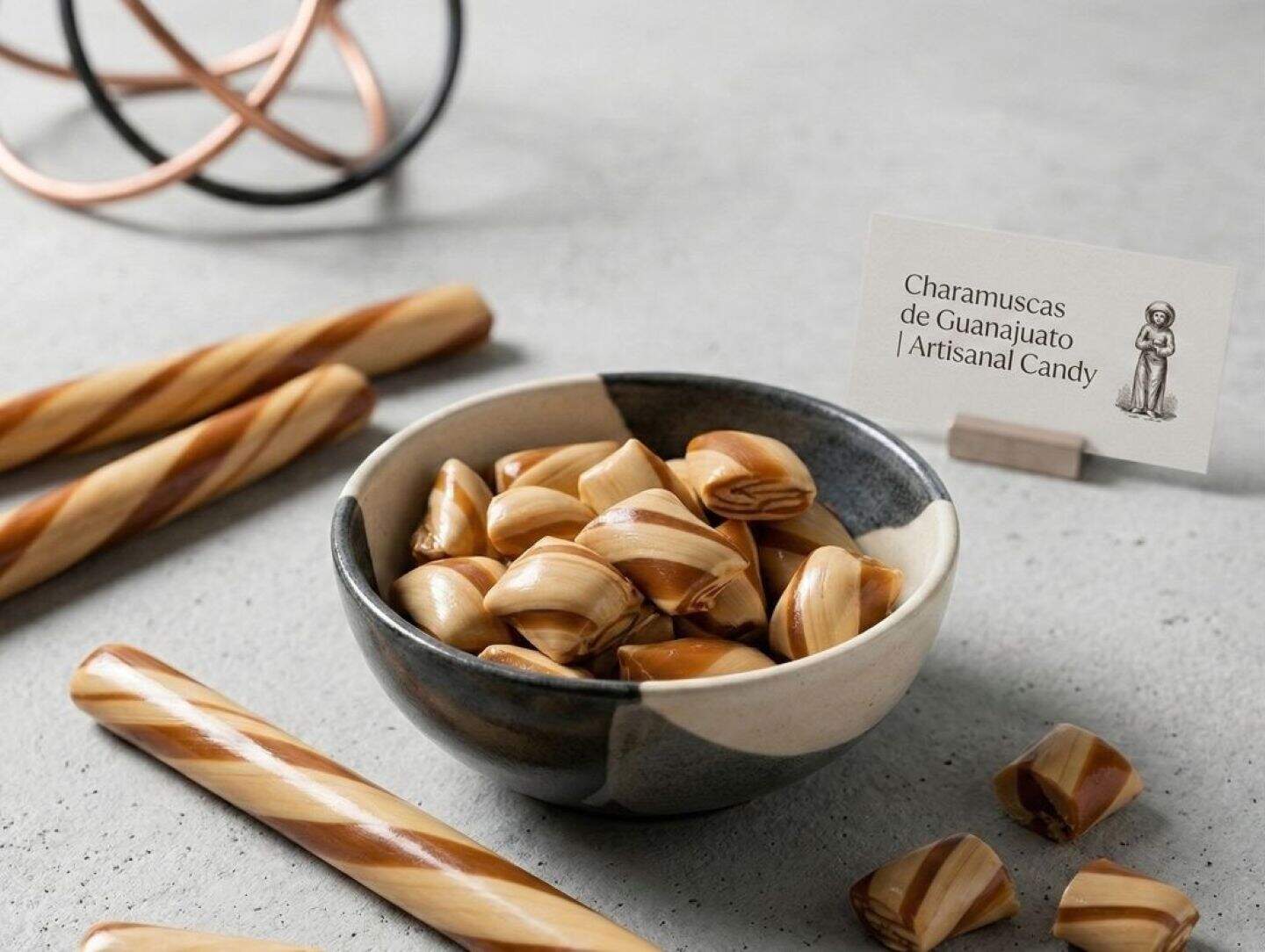
Charamuscas
A classic sweet from Guanajuato City. Charamuscas are candies made from piloncillo cooked unrefined sugar that hardens into crunchy caramel.
Many are shaped into figures, including the famous mummies of Guanajuato, donkeys or skulls. You’ll see them hanging at market sweet stalls.
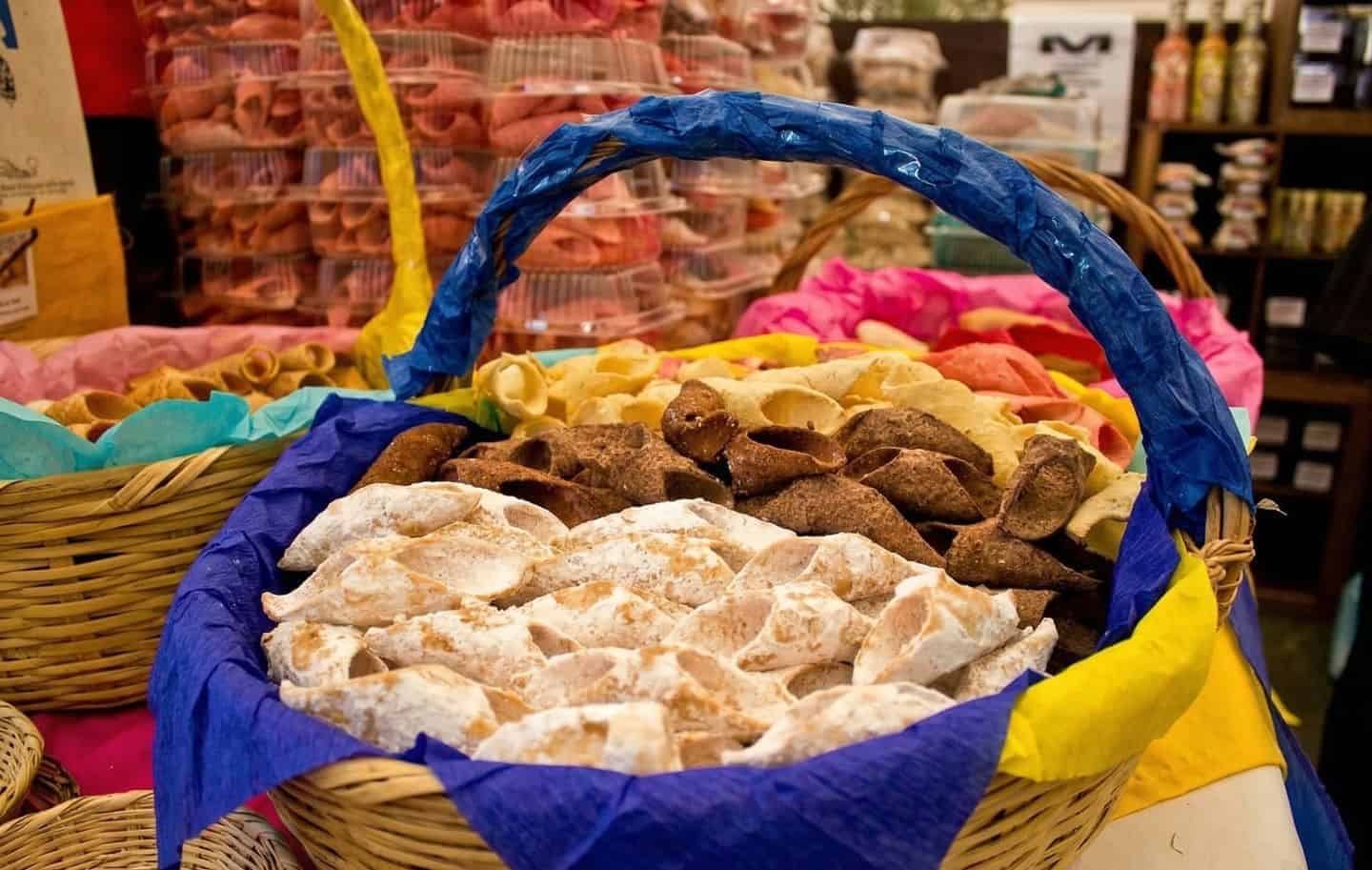
Tumbagones
If you’re short on time I recommend skipping San Miguel de Allende and staying extra days in Guanajuato. It is really so much more interesting.
They are also so close that in Guanajuato you can get SMA’s famous sweet pastry that dates back to colonial convent baking.
They are crisp rings of fried dough coated with sugar and sometimes cinnamon. The name comes from a colonial gold ring called a “tumbaga.”
Convent kitchens created these delicate sweets centuries ago. Thin rolled fritters fry until crisp. Nuns dusted them with sugar and served them with coffee.
Pozole Rojo
Pozole is a dish with deep roots across Mexico but in Guanajuato the rojo version made with pork is a market staple and a proper meal in itself.
We learned this the hard way as Alan, who doesn’t eat pork, loves this dish and we forgot to ask for chicken. But it was probably for the best as the broth also uses pork.
This popular Guanajuato food is a large bowl of soup with hominy, a rich dried red chili broth and slow-cooked pork until the meat pulls apart easily.
It arrives at the table with a spread of toppings: shredded cabbage, dried oregano, sliced radish, chopped onion and lime wedges that you pile on yourself.
Unlike the Bajío menudo, pozole keeps the hominy in and the corn is the whole point. If you love this dish in Mexico it is so easy to make at home, here’s my pozole recipe.
Mole Guanajuato
Mole is often known as a Oaxacan food. But this local mole leans lighter than other regional versions and is more similar to mole in Puebla.
Cooks use peanuts, raisins and mild chiles. The sauce turns out slightly sweet. It coats chicken or pork without overwhelming the meat.
Pin it For Later: Best Food in Guanajuato